Birdr

Common Redpoll vs Parrot Crossbill

Acanthis flammea versus Loxia pytyopsittacus

Play a quiz with Common Redpoll and Parrot Crossbill
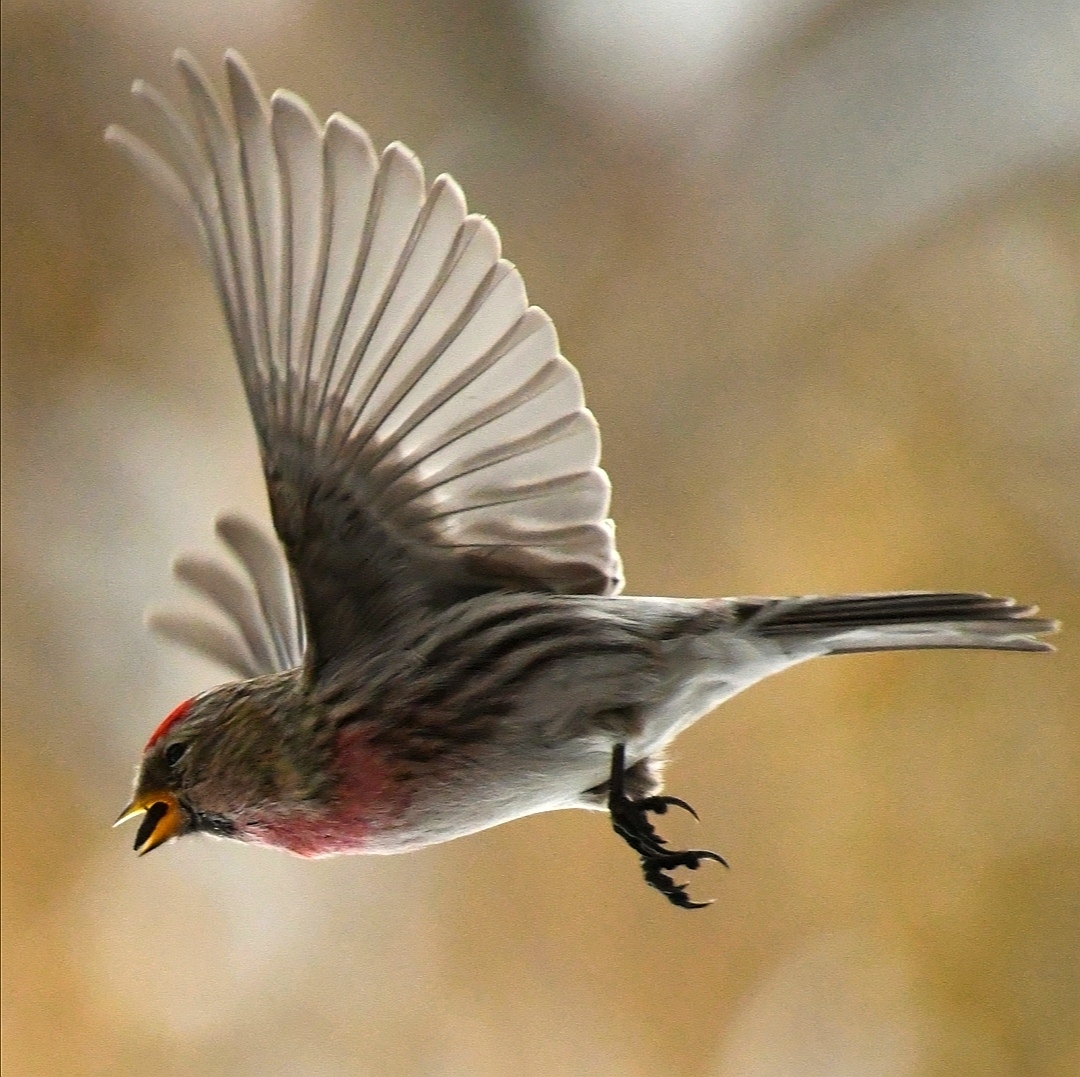
Common Redpoll (Acanthis flammea) Common Redpoll
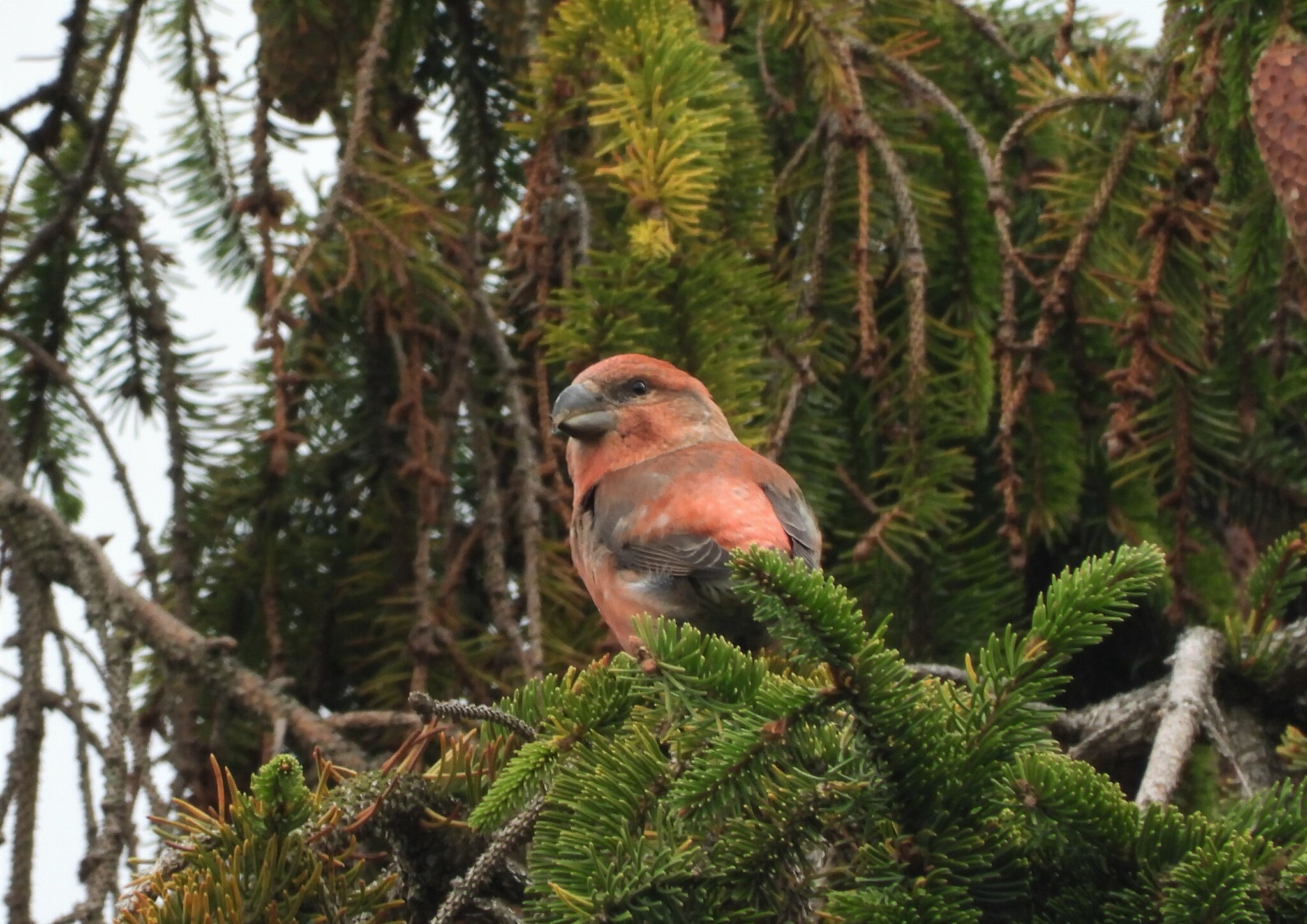
Parrot Crossbill (Loxia pytyopsittacus) Parrot Crossbill

Media

Loading…

In short

The Common Redpoll and Parrot Crossbill are both finches but differ significantly in bill structure and feeding habits. The Common Redpoll has a slender, pointed bill suited for extracting seeds, while the Parrot Crossbill has a robust, parrot-like bill designed for prying open conifer cones. These differences are key for identification in the field.

Identification tips

  1. Bill Shape: Look for the slender, pointed bill of the Common Redpoll versus the robust, parrot-like bill of the Parrot Crossbill. 2. Plumage: Note the red forehead and streaky appearance of the Common Redpoll compared to the more uniform coloration of the Parrot Crossbill. 3. Habitat: Consider the environment; Common Redpolls are often in open areas with birch, while Parrot Crossbills are in coniferous forests. 4. Vocalizations: Listen for the rapid, buzzy calls of the Redpoll versus the deeper calls of the Crossbill.

Size

The Parrot Crossbill is generally larger and more robust than the Common Redpoll.

Plumage

Common Redpolls have a distinctive red forehead and a black chin, with streaky brown and white plumage. Parrot Crossbills are more uniformly colored, often appearing reddish or orange, especially in males, with less streaking.

Behaviour

Common Redpolls often forage in flocks, flitting actively among birch and alder trees. Parrot Crossbills are more likely to be seen in coniferous forests, often in smaller groups, focusing on extracting seeds from cones.

Habitat

Common Redpolls are found in open woodlands and scrubby areas, particularly favoring birch and alder. Parrot Crossbills prefer coniferous forests, especially those with abundant pine or spruce.

Voice

Common Redpolls have a distinctive, rapid, and buzzy call, while Parrot Crossbills produce a deeper, more metallic 'chup' call.

Submit a better description

Use the same sections as the comparison. Your text is published immediately.

The Common Redpoll and Parrot Crossbill are both finches but differ significantly in bill structure and feeding habits. The Common Redpoll has a slender, pointed bill suited for extracting seeds, while the Parrot Crossbill has a robust, parrot-like bill designed for prying open conifer cones. These differences are key for identification in the field.

  1. Bill Shape: Look for the slender, pointed bill of the Common Redpoll versus the robust, parrot-like bill of the Parrot Crossbill. 2. Plumage: Note the red forehead and streaky appearance of the Common Redpoll compared to the more uniform coloration of the Parrot Crossbill. 3. Habitat: Consider the environment; Common Redpolls are often in open areas with birch, while Parrot Crossbills are in coniferous forests. 4. Vocalizations: Listen for the rapid, buzzy calls of the Redpoll versus the deeper calls of the Crossbill.

The Parrot Crossbill is generally larger and more robust than the Common Redpoll.

Common Redpolls have a distinctive red forehead and a black chin, with streaky brown and white plumage. Parrot Crossbills are more uniformly colored, often appearing reddish or orange, especially in males, with less streaking.

Common Redpolls often forage in flocks, flitting actively among birch and alder trees. Parrot Crossbills are more likely to be seen in coniferous forests, often in smaller groups, focusing on extracting seeds from cones.

Common Redpolls are found in open woodlands and scrubby areas, particularly favoring birch and alder. Parrot Crossbills prefer coniferous forests, especially those with abundant pine or spruce.

Common Redpolls have a distinctive, rapid, and buzzy call, while Parrot Crossbills produce a deeper, more metallic 'chup' call.

Discard your changes?

You have unsaved edits. If you leave now, those changes will be lost.

Common Redpoll · Parrot Crossbill · My Tricky Birds