Birdr

Common Redshank vs Black-crowned Tchagra

Tringa totanus versus Tchagra senegalus

Play a quiz with Common Redshank and Black-crowned Tchagra
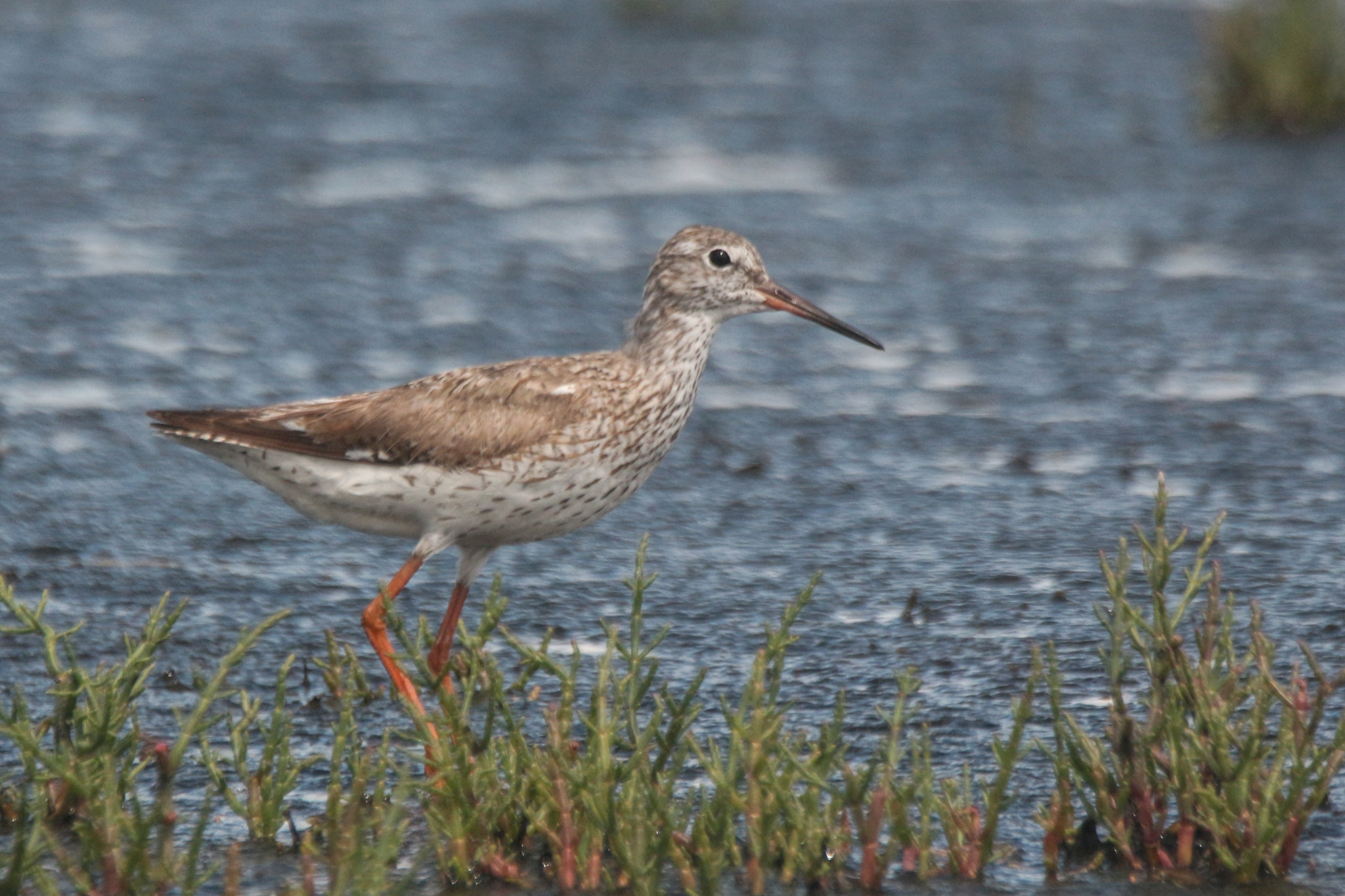
Common Redshank (Tringa totanus) Common Redshank
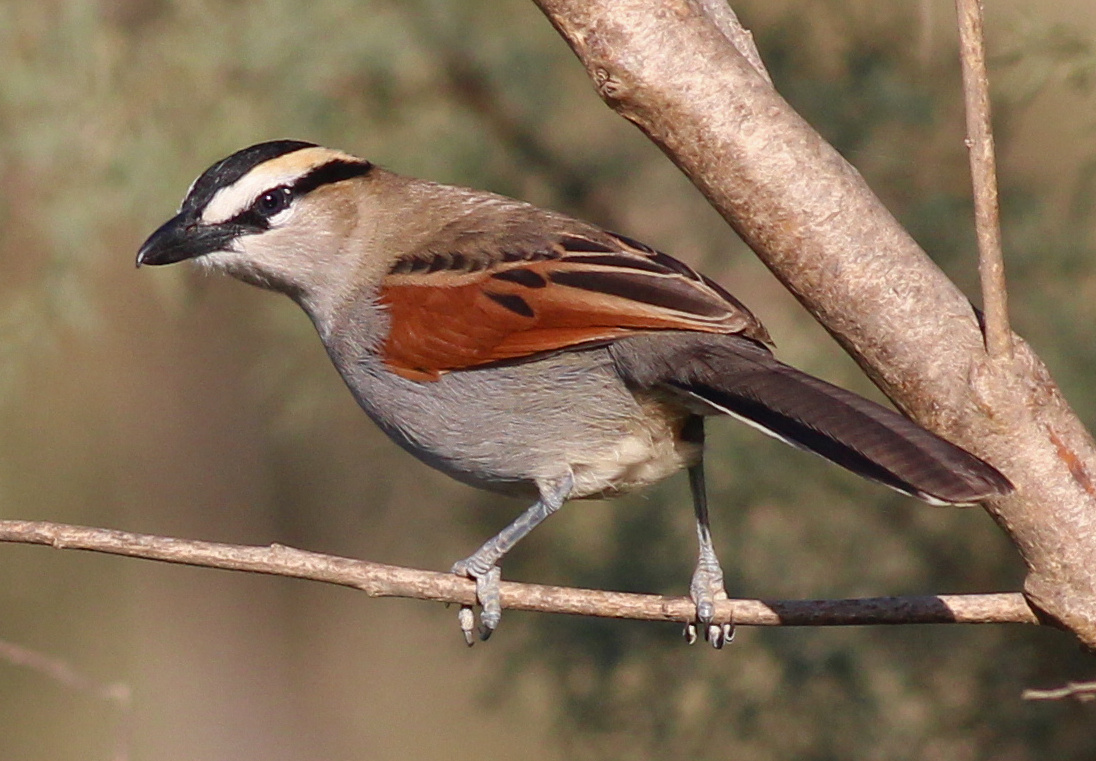
Black-crowned Tchagra (Tchagra senegalus) Black-crowned Tchagra

Media

Loading…

In short

The Common Redshank and Black-crowned Tchagra are distinct in both appearance and habitat. The Redshank is a wader with long legs and a distinctive red base to its bill, while the Tchagra is a bushshrike with a striking black crown and a more robust body.

Identification tips

Look for the red legs and bill base of the Redshank when near water. For the Tchagra, the black crown and white supercilium are key features. Note the habitat: wetlands for Redshank, bushy areas for Tchagra. Listen for the Redshank's rhythmic calls and the Tchagra's melodious whistles.

Size

The Common Redshank is generally larger and more slender with longer legs compared to the more compact and robust Black-crowned Tchagra.

Plumage

The Common Redshank has a grey-brown plumage with a white rump and a red base to its bill, while the Black-crowned Tchagra features a black crown, white supercilium, and warm brown upperparts.

Behaviour

Redshanks are often seen wading in shallow waters, probing for food, whereas Tchagras are more likely to be found in dense shrubbery or thickets, often seen perching conspicuously.

Habitat

Common Redshanks are typically found in wetlands, mudflats, and coastal areas, while Black-crowned Tchagras inhabit dry savannas and bushy areas.

Voice

The Common Redshank has a distinctive, loud, and rhythmic 'tew-tew-tew' call, while the Black-crowned Tchagra's song is a series of melodious whistles.

Submit a better description

Use the same sections as the comparison. Your text is published immediately.

The Common Redshank and Black-crowned Tchagra are distinct in both appearance and habitat. The Redshank is a wader with long legs and a distinctive red base to its bill, while the Tchagra is a bushshrike with a striking black crown and a more robust body.

Look for the red legs and bill base of the Redshank when near water. For the Tchagra, the black crown and white supercilium are key features. Note the habitat: wetlands for Redshank, bushy areas for Tchagra. Listen for the Redshank's rhythmic calls and the Tchagra's melodious whistles.

The Common Redshank is generally larger and more slender with longer legs compared to the more compact and robust Black-crowned Tchagra.

The Common Redshank has a grey-brown plumage with a white rump and a red base to its bill, while the Black-crowned Tchagra features a black crown, white supercilium, and warm brown upperparts.

Redshanks are often seen wading in shallow waters, probing for food, whereas Tchagras are more likely to be found in dense shrubbery or thickets, often seen perching conspicuously.

Common Redshanks are typically found in wetlands, mudflats, and coastal areas, while Black-crowned Tchagras inhabit dry savannas and bushy areas.

The Common Redshank has a distinctive, loud, and rhythmic 'tew-tew-tew' call, while the Black-crowned Tchagra's song is a series of melodious whistles.

Discard your changes?

You have unsaved edits. If you leave now, those changes will be lost.

Common Redshank · Black-crowned Tchagra · My Tricky Birds