Birdr

Common Reed Warbler vs Black Wheatear

Acrocephalus scirpaceus versus Oenanthe leucura

Play a quiz with Common Reed Warbler and Black Wheatear
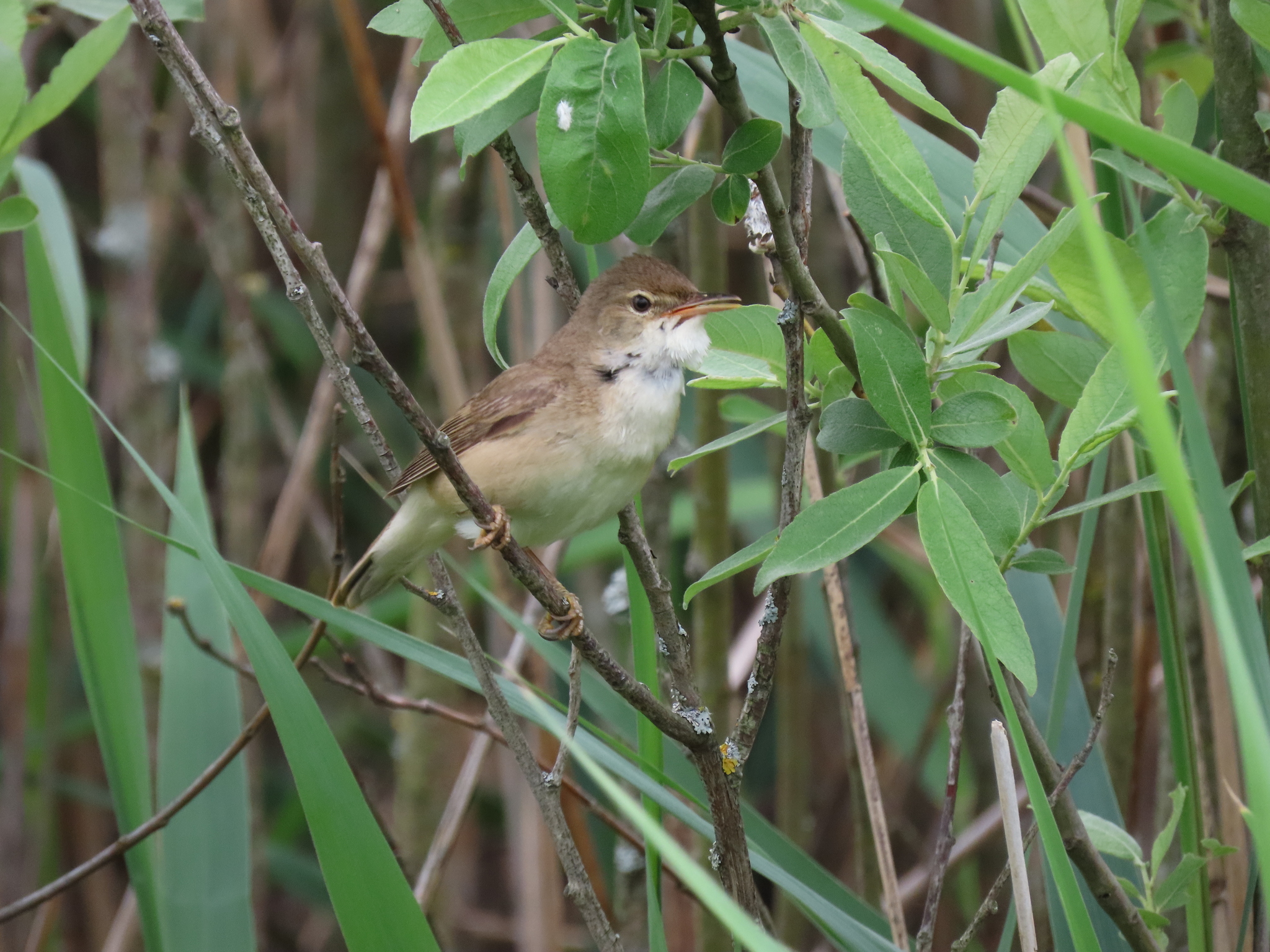
Common Reed Warbler (Acrocephalus scirpaceus) Common Reed Warbler
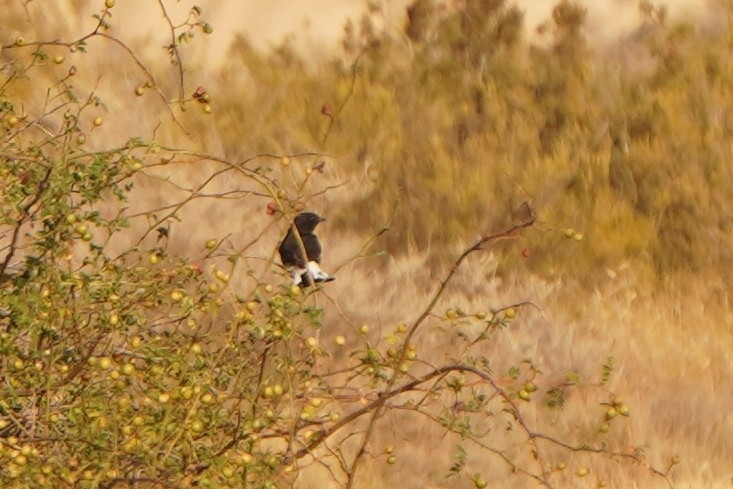
Black Wheatear (Oenanthe leucura) Black Wheatear

Media

Loading…

In short

The Common Reed Warbler and Black Wheatear are distinct in both appearance and habitat. The Reed Warbler is a small, brown bird often found in marshy areas, while the Black Wheatear is larger, with striking black and white plumage, typically seen in rocky, arid environments.

Identification tips

  1. Location: Check the habitat; reedbeds suggest Reed Warbler, rocky areas suggest Black Wheatear. 2. Size and Shape: Black Wheatear is larger and more robust. 3. Plumage: Look for the Black Wheatear's contrasting black and white plumage. 4. Behavior: Observe the bird's movement; Reed Warblers cling to reeds, while Wheatears perch on rocks.

Size

The Black Wheatear is noticeably larger than the Common Reed Warbler.

Plumage

The Common Reed Warbler has a plain brown plumage with a paler underside, lacking any striking markings. In contrast, the Black Wheatear is predominantly black with a white rump and vent, making it more visually distinctive.

Behaviour

Common Reed Warblers are often seen clinging to reeds and moving through dense vegetation, while Black Wheatears are more likely to be observed perched on rocks or flying between rocky outcrops.

Habitat

Common Reed Warblers inhabit marshy areas with reeds and sedges, whereas Black Wheatears prefer rocky, arid landscapes.

Voice

The Common Reed Warbler has a distinctive, repetitive song often heard in its reedbed habitat. The Black Wheatear's vocalizations are less well-documented in this context.

Submit a better description

Use the same sections as the comparison. Your text is published immediately.

The Common Reed Warbler and Black Wheatear are distinct in both appearance and habitat. The Reed Warbler is a small, brown bird often found in marshy areas, while the Black Wheatear is larger, with striking black and white plumage, typically seen in rocky, arid environments.

  1. Location: Check the habitat; reedbeds suggest Reed Warbler, rocky areas suggest Black Wheatear. 2. Size and Shape: Black Wheatear is larger and more robust. 3. Plumage: Look for the Black Wheatear's contrasting black and white plumage. 4. Behavior: Observe the bird's movement; Reed Warblers cling to reeds, while Wheatears perch on rocks.

The Black Wheatear is noticeably larger than the Common Reed Warbler.

The Common Reed Warbler has a plain brown plumage with a paler underside, lacking any striking markings. In contrast, the Black Wheatear is predominantly black with a white rump and vent, making it more visually distinctive.

Common Reed Warblers are often seen clinging to reeds and moving through dense vegetation, while Black Wheatears are more likely to be observed perched on rocks or flying between rocky outcrops.

Common Reed Warblers inhabit marshy areas with reeds and sedges, whereas Black Wheatears prefer rocky, arid landscapes.

The Common Reed Warbler has a distinctive, repetitive song often heard in its reedbed habitat. The Black Wheatear's vocalizations are less well-documented in this context.

Discard your changes?

You have unsaved edits. If you leave now, those changes will be lost.

Common Reed Warbler · Black Wheatear · My Tricky Birds