
Common Rosefinch vs Chestnut Bunting
Carpodacus erythrinus versus Emberiza rutila
Play a quiz with Common Rosefinch and Chestnut Bunting
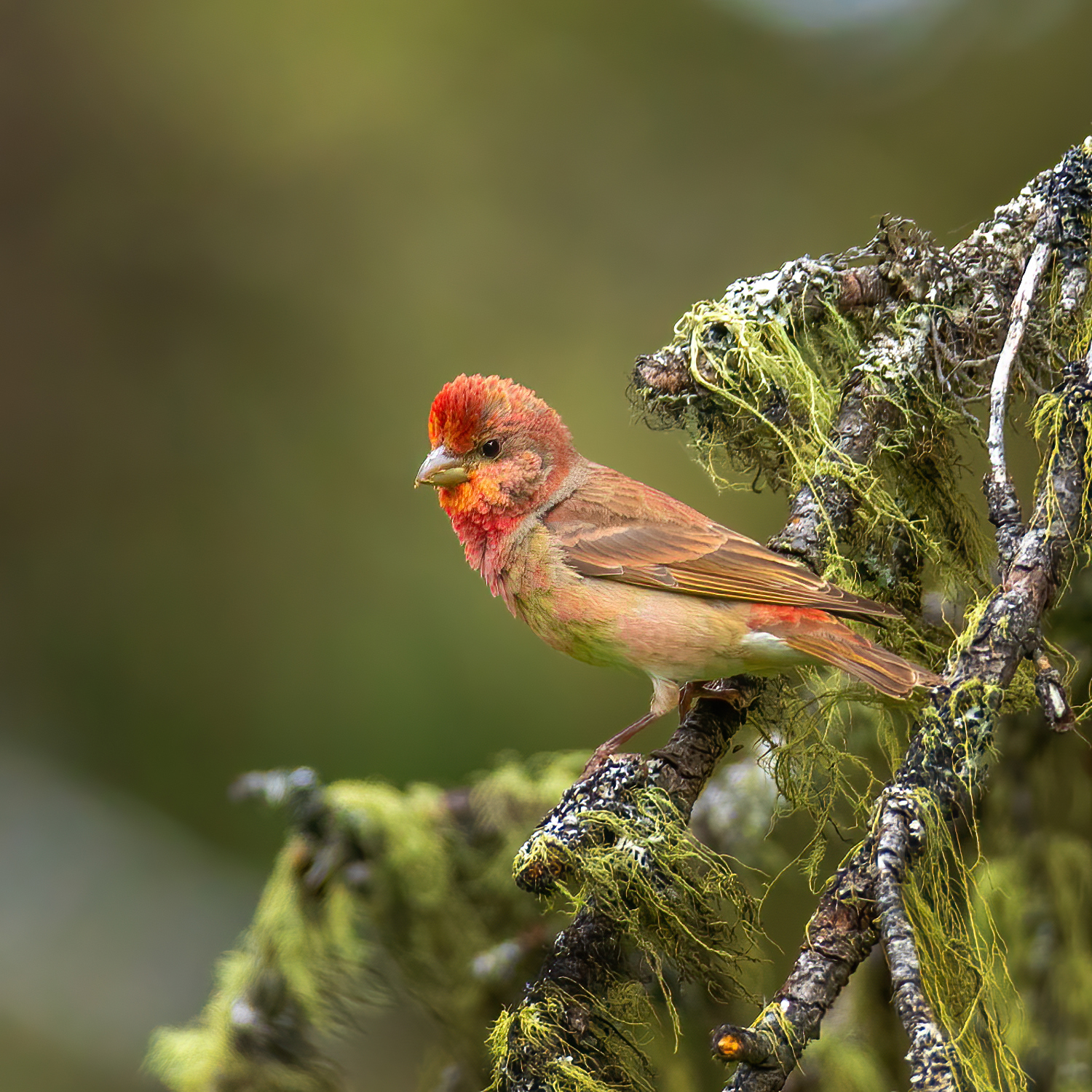 Common Rosefinch
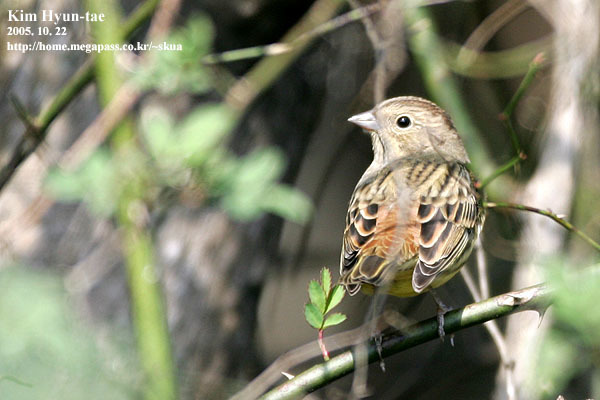 Chestnut Bunting
In short
The Common Rosefinch and Chestnut Bunting can be differentiated primarily by their plumage and structure. The Common Rosefinch typically has a more robust bill and a rosy coloration in males, while the Chestnut Bunting features a slimmer bill and distinct chestnut tones. Both species can be found in similar habitats, but their vocalizations and behavior offer additional clues for identification.
Identification tips
- Bill Shape: Common Rosefinch has a more robust bill compared to the slimmer bill of the Chestnut Bunting.
- Male Plumage: Look for rosy-red tones in male Common Rosefinches versus chestnut tones in male Chestnut Buntings.
- Female/Immature Plumage: Female and immature Common Rosefinches are more uniformly brown with streaks, lacking the chestnut tones of female Chestnut Buntings.
- Song: Listen for the melodious, whistled song of the Common Rosefinch compared to the varied trills and whistles of the Chestnut Bunting.
Size
Both species are similar in size, but the Common Rosefinch may appear slightly bulkier due to its more robust build.
Plumage
Male Common Rosefinches have a distinctive rosy-red coloration, especially on the head and breast, while females and juveniles are more brownish with streaks. Chestnut Buntings, particularly males, show a rich chestnut color on the head and body, with females being more subdued but still showing some chestnut tones. The Common Rosefinch lacks the chestnut hues entirely.
Behaviour
Both species are often seen foraging in shrubs and low vegetation, but the Common Rosefinch may appear more gregarious, often found in small flocks.
Habitat
Both species inhabit similar environments such as open woodlands, scrublands, and gardens, but the Chestnut Bunting might be more associated with forest edges and clearings.
Voice
The Common Rosefinch has a distinctive, melodious song often described as a series of whistled notes, while the Chestnut Bunting's song is more varied and includes a mix of trills and whistles.