Birdr

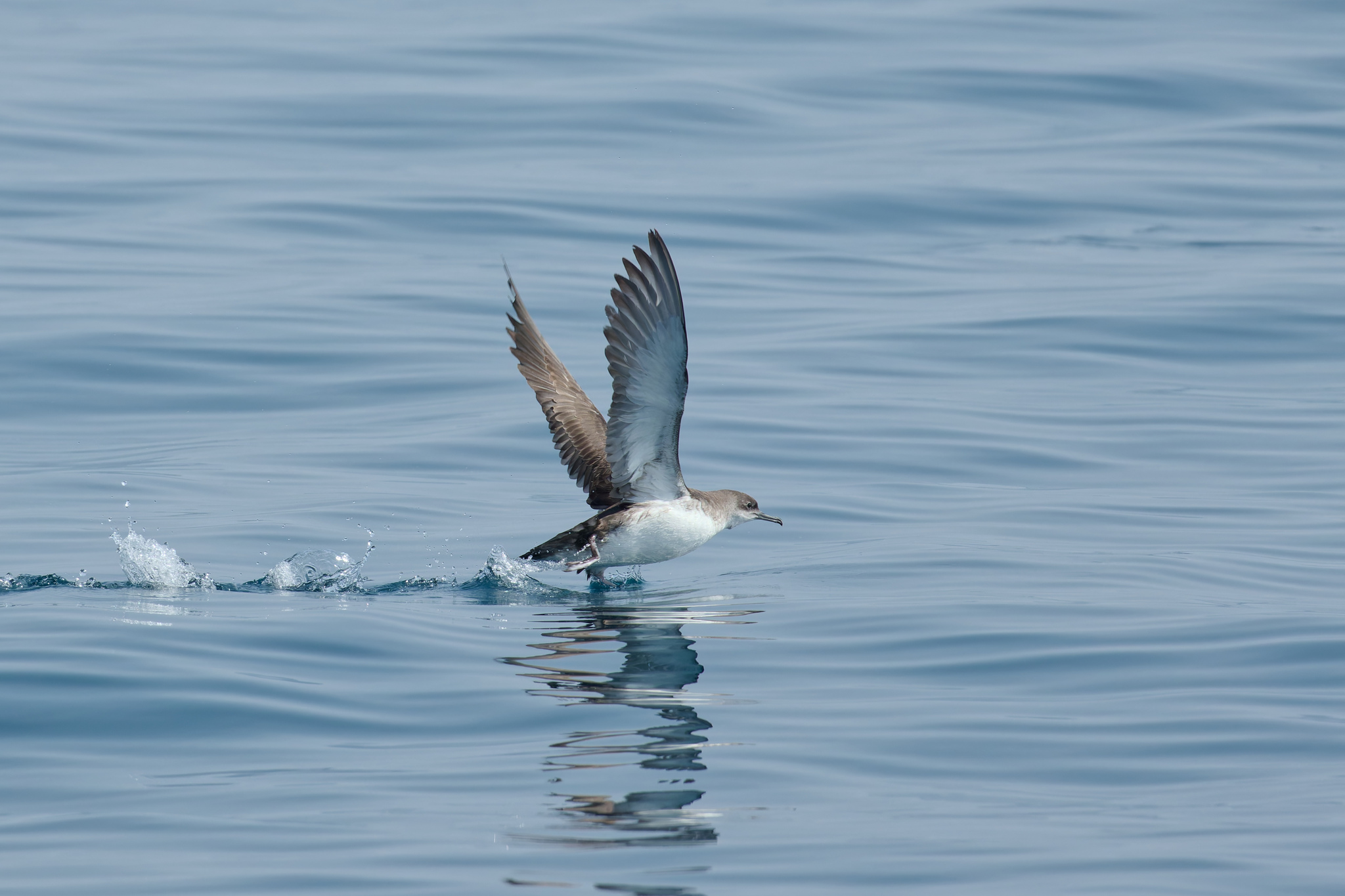
Common Sandpiper vs Yelkouan Shearwater

Actitis hypoleucos versus Puffinus yelkouan

Play a quiz with Common Sandpiper and Yelkouan Shearwater
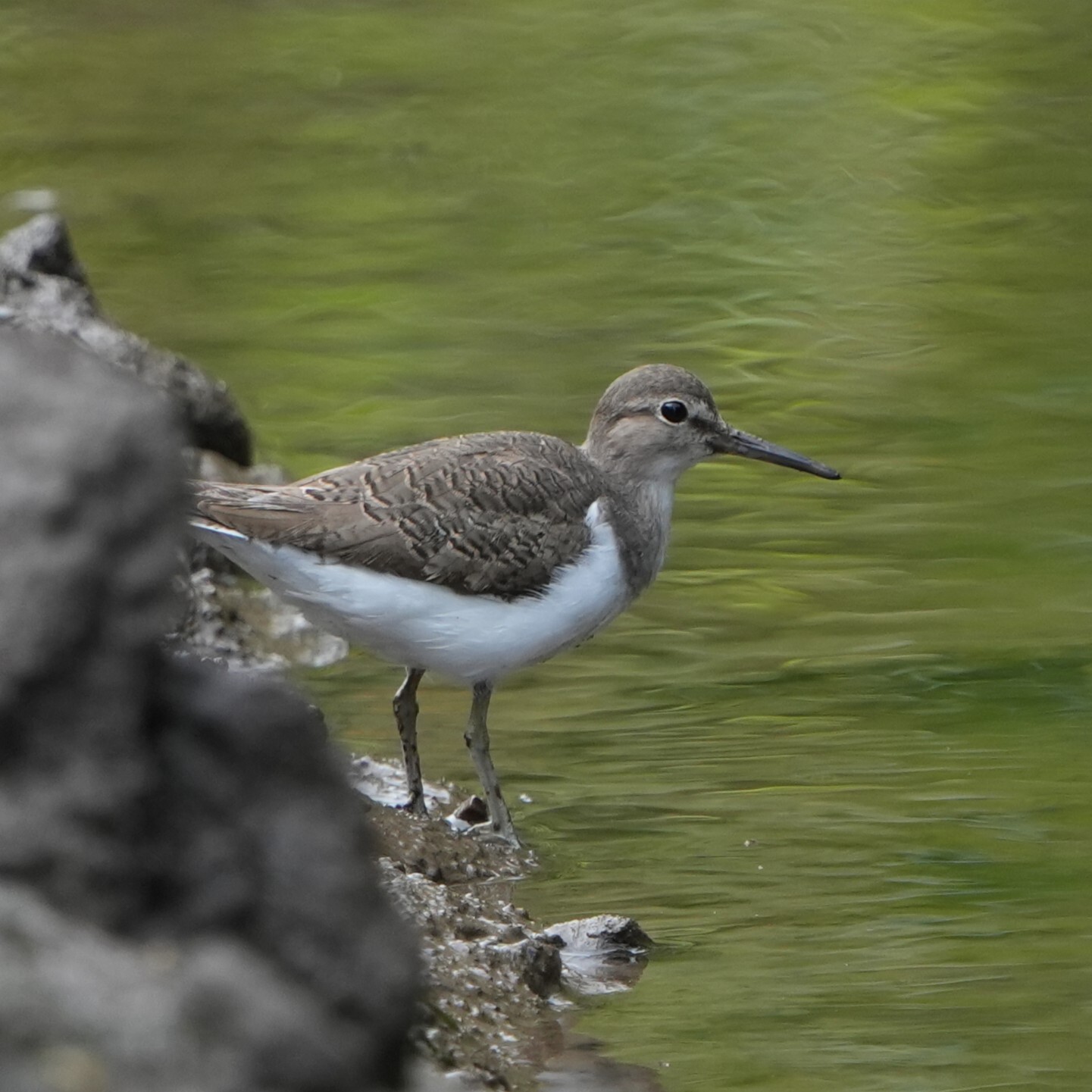
Common Sandpiper (Actitis hypoleucos) Common Sandpiper
Yelkouan Shearwater (Puffinus yelkouan) Yelkouan Shearwater

Media

Loading…

In short

The Common Sandpiper is a small, short-legged wader with a distinctive white wingbar in flight, while the Yelkouan Shearwater is a medium-sized seabird with long wings and a dark upper body. These species are not closely related, making structural differences the most reliable field marks.

Identification tips

  1. Location: If seen inland or along freshwater shores, it's likely a Common Sandpiper. If over open sea, consider Yelkouan Shearwater. 2. Flight pattern: Look for the Common Sandpiper's distinctive white wingbar and bobbing flight. 3. Size and shape: Note the Common Sandpiper's smaller size and shorter legs compared to the larger, long-winged Yelkouan Shearwater.

Size

The Common Sandpiper is much smaller (19–21 cm) compared to the Yelkouan Shearwater, which is a medium-sized seabird.

Plumage

The Common Sandpiper has greenish-brown upperparts with a white belly and dark lateral breast patches. In contrast, the Yelkouan Shearwater has a dark upper body and lighter underparts, with no distinctive wingbar.

Behaviour

Common Sandpipers are often seen bobbing along shorelines, while Yelkouan Shearwaters glide over open water with stiff wingbeats.

Habitat

Common Sandpipers are typically found along freshwater and coastal shorelines, whereas Yelkouan Shearwaters inhabit open seas and coastal waters.

Voice

The Common Sandpiper's call is a quick, shrill 'swee-wee-wee' series, while Yelkouan Shearwaters are generally silent at sea but may vocalize at breeding colonies.

Submit a better description

Use the same sections as the comparison. Your text is published immediately.

The Common Sandpiper is a small, short-legged wader with a distinctive white wingbar in flight, while the Yelkouan Shearwater is a medium-sized seabird with long wings and a dark upper body. These species are not closely related, making structural differences the most reliable field marks.

  1. Location: If seen inland or along freshwater shores, it's likely a Common Sandpiper. If over open sea, consider Yelkouan Shearwater. 2. Flight pattern: Look for the Common Sandpiper's distinctive white wingbar and bobbing flight. 3. Size and shape: Note the Common Sandpiper's smaller size and shorter legs compared to the larger, long-winged Yelkouan Shearwater.

The Common Sandpiper is much smaller (19–21 cm) compared to the Yelkouan Shearwater, which is a medium-sized seabird.

The Common Sandpiper has greenish-brown upperparts with a white belly and dark lateral breast patches. In contrast, the Yelkouan Shearwater has a dark upper body and lighter underparts, with no distinctive wingbar.

Common Sandpipers are often seen bobbing along shorelines, while Yelkouan Shearwaters glide over open water with stiff wingbeats.

Common Sandpipers are typically found along freshwater and coastal shorelines, whereas Yelkouan Shearwaters inhabit open seas and coastal waters.

The Common Sandpiper's call is a quick, shrill 'swee-wee-wee' series, while Yelkouan Shearwaters are generally silent at sea but may vocalize at breeding colonies.

Discard your changes?

You have unsaved edits. If you leave now, those changes will be lost.

Common Sandpiper · Yelkouan Shearwater · My Tricky Birds