Birdr

Common Scoter vs White-headed Duck

Melanitta nigra versus Oxyura leucocephala

Play a quiz with Common Scoter and White-headed Duck
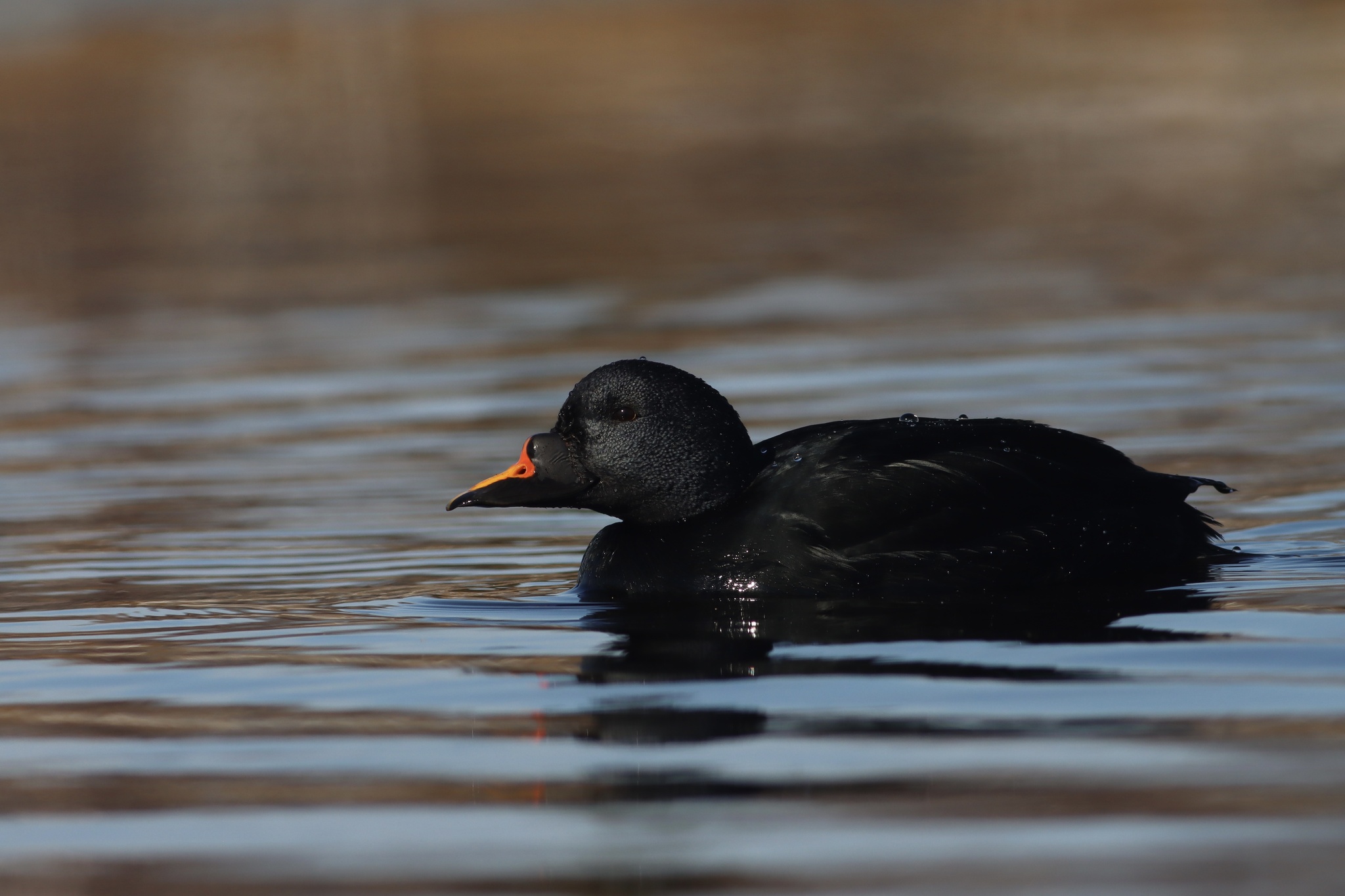
Common Scoter (Melanitta nigra) Common Scoter
White-headed Duck (Oxyura leucocephala) White-headed Duck

Media

Loading…

In short

The Common Scoter and White-headed Duck are both waterfowl but differ significantly in appearance and behavior. The Common Scoter is a sea duck with a predominantly black plumage, while the White-headed Duck is a stifftail with a distinctive white head and blue bill. Their habitats also differ, with the Common Scoter favoring marine environments and the White-headed Duck preferring inland wetlands.

Identification tips

  1. Bill Color: Look for the yellow patch on the Common Scoter's bill versus the bright blue bill of the male White-headed Duck. 2. Head Color: The White-headed Duck's white head is a key feature, especially in males. 3. Habitat: Consider the environment; Common Scoters are more likely at sea, while White-headed Ducks prefer inland wetlands. 4. Size and Shape: Note the larger size and longer neck of the Common Scoter compared to the compact, stiff-tailed White-headed Duck.

Size

The Common Scoter is larger, with a wingspan of 79–90 cm, compared to the more compact White-headed Duck.

Plumage

The male Common Scoter is sooty black with a yellow patch on the bill, while the female is dark brown. In contrast, the White-headed Duck has a striking white head and a bright blue bill in males, with females being more subdued in color but still maintaining the white head.

Behaviour

Common Scoters are often seen in fast, direct flight over the sea, while White-headed Ducks are more aquatic, diving frequently and rarely taking flight.

Habitat

Common Scoters are typically found in marine environments, especially during winter, while White-headed Ducks inhabit freshwater and brackish wetlands, often with emergent vegetation.

Voice

Common Scoters are usually silent but may produce thin piping whistles, whereas White-headed Ducks are not noted for distinctive vocalizations.

Submit a better description

Use the same sections as the comparison. Your text is published immediately.

The Common Scoter and White-headed Duck are both waterfowl but differ significantly in appearance and behavior. The Common Scoter is a sea duck with a predominantly black plumage, while the White-headed Duck is a stifftail with a distinctive white head and blue bill. Their habitats also differ, with the Common Scoter favoring marine environments and the White-headed Duck preferring inland wetlands.

  1. Bill Color: Look for the yellow patch on the Common Scoter's bill versus the bright blue bill of the male White-headed Duck. 2. Head Color: The White-headed Duck's white head is a key feature, especially in males. 3. Habitat: Consider the environment; Common Scoters are more likely at sea, while White-headed Ducks prefer inland wetlands. 4. Size and Shape: Note the larger size and longer neck of the Common Scoter compared to the compact, stiff-tailed White-headed Duck.

The Common Scoter is larger, with a wingspan of 79–90 cm, compared to the more compact White-headed Duck.

The male Common Scoter is sooty black with a yellow patch on the bill, while the female is dark brown. In contrast, the White-headed Duck has a striking white head and a bright blue bill in males, with females being more subdued in color but still maintaining the white head.

Common Scoters are often seen in fast, direct flight over the sea, while White-headed Ducks are more aquatic, diving frequently and rarely taking flight.

Common Scoters are typically found in marine environments, especially during winter, while White-headed Ducks inhabit freshwater and brackish wetlands, often with emergent vegetation.

Common Scoters are usually silent but may produce thin piping whistles, whereas White-headed Ducks are not noted for distinctive vocalizations.

Discard your changes?

You have unsaved edits. If you leave now, those changes will be lost.

Common Scoter · White-headed Duck · My Tricky Birds