
Common Snipe vs Red-necked Phalarope
Gallinago gallinago versus Phalaropus lobatus
Play a quiz with Common Snipe and Red-necked Phalarope
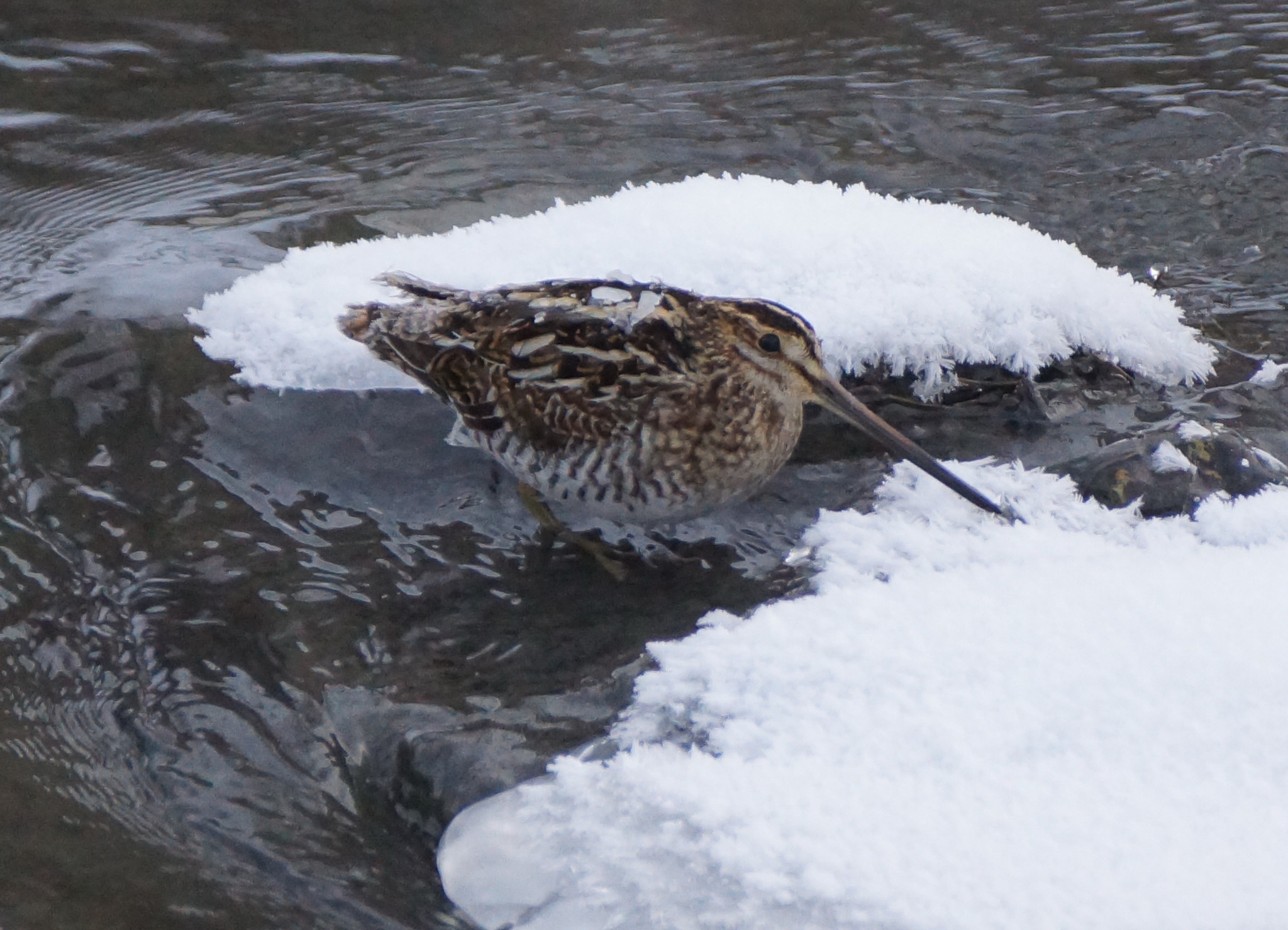 Common Snipe
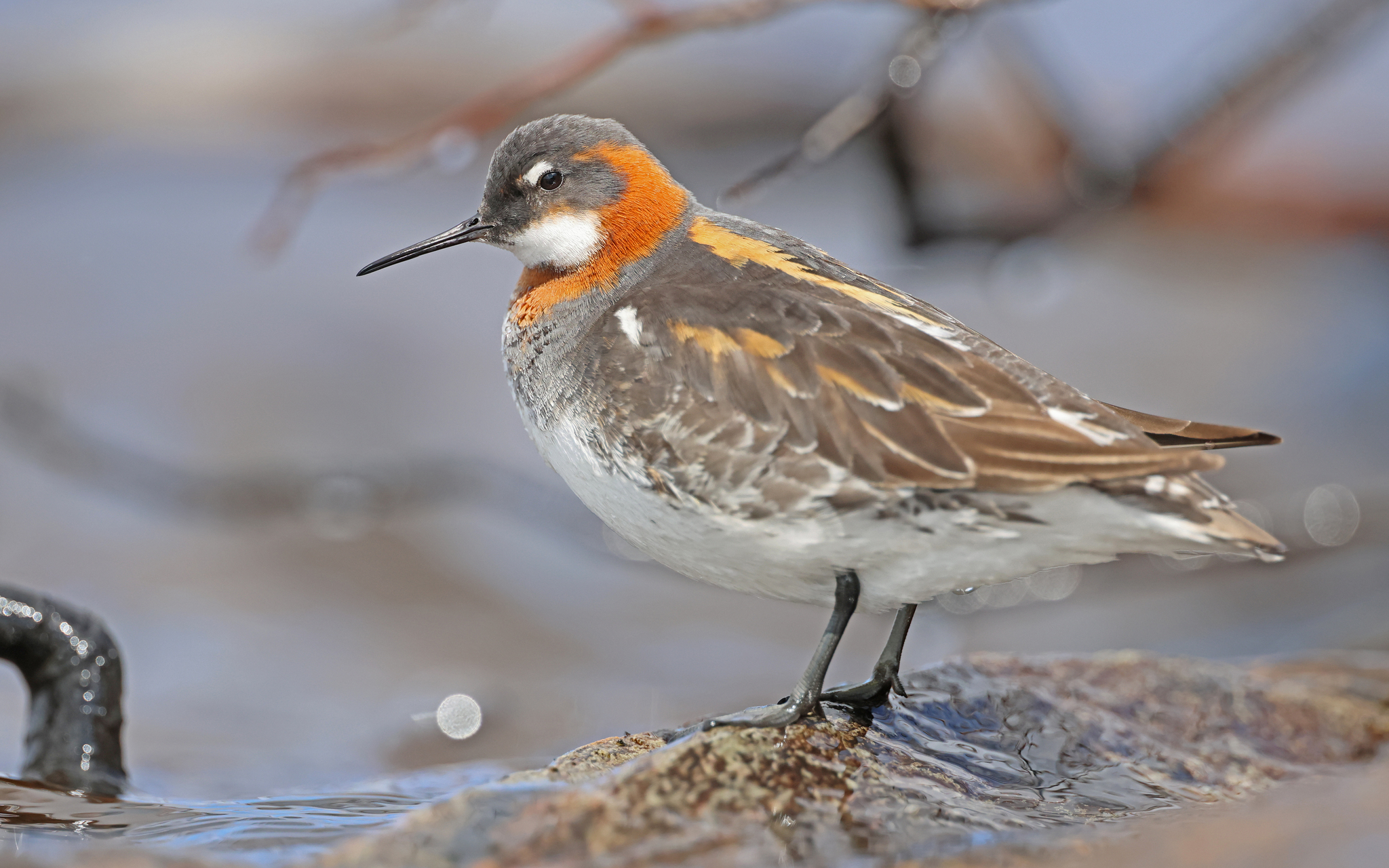 Red-necked Phalarope
In short
The Common Snipe and Red-necked Phalarope are both waders but differ significantly in habitat and behavior. The snipe is a cryptic, terrestrial bird often found in wetlands, while the phalarope is a pelagic species known for its unique spinning behavior on water. Key differences include their bill shape and plumage patterns.
Identification tips
1. Bill shape: Common Snipe has a long, straight bill; Red-necked Phalarope has a slender, fine bill. 2. Plumage: Look for the snipe's cryptic brown and buff pattern versus the phalarope's white and gray with black eye-patches. 3. Behavior: Note the snipe's secretive nature and zigzag flight compared to the phalarope's spinning on water. 4. Habitat: Snipe are in wetlands; phalaropes are on open water. 5. Vocalization: Listen for the snipe's drumming in breeding season; phalaropes are mostly silent.
Size
Both species are small waders, but the Common Snipe is generally more robust with a longer bill compared to the slender and finer-billed Red-necked Phalarope.
Plumage
The Common Snipe has a cryptic brown and buff plumage with bold stripes and spots, while the Red-necked Phalarope in non-breeding plumage is mostly white with a gray mantle and distinctive black eye-patches. Breeding phalaropes have brighter plumage, especially females.
Behaviour
Common Snipe are secretive and rely on camouflage, often flushing from cover with a zigzag flight. Red-necked Phalaropes are more conspicuous, often seen spinning on water to stir up prey, a behavior unique among waders.
Habitat
Common Snipe are found in marshes, bogs, and wet meadows, while Red-necked Phalaropes are associated with open water, often seen at sea or on large inland lakes during migration.
Voice
The Common Snipe is known for its 'drumming' display sound during the breeding season, while the Red-necked Phalarope is generally silent, especially at sea.