
Cooper's Hawk vs Lark Bunting
Astur cooperii versus Calamospiza melanocorys
Play a quiz with Cooper's Hawk and Lark Bunting
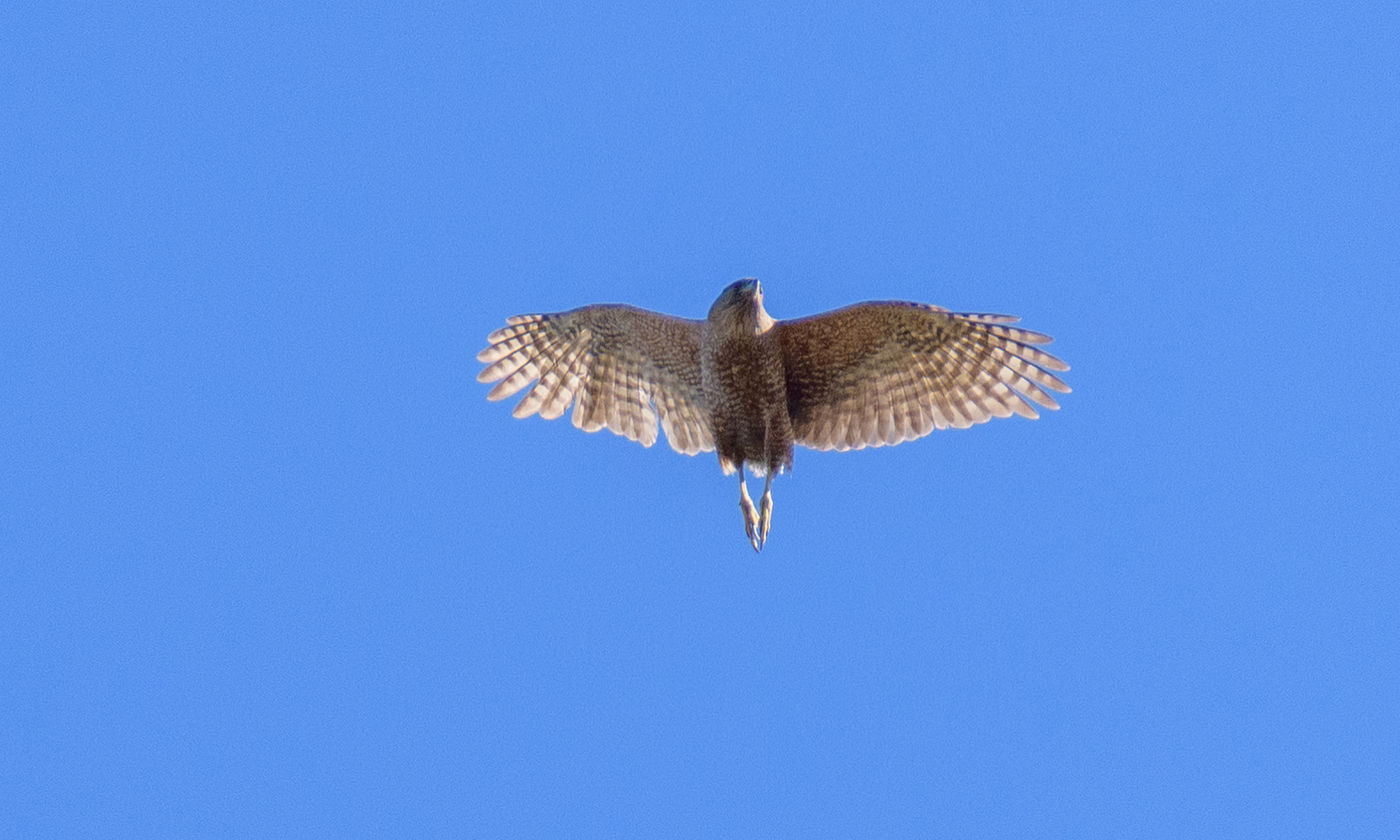 Cooper's Hawk
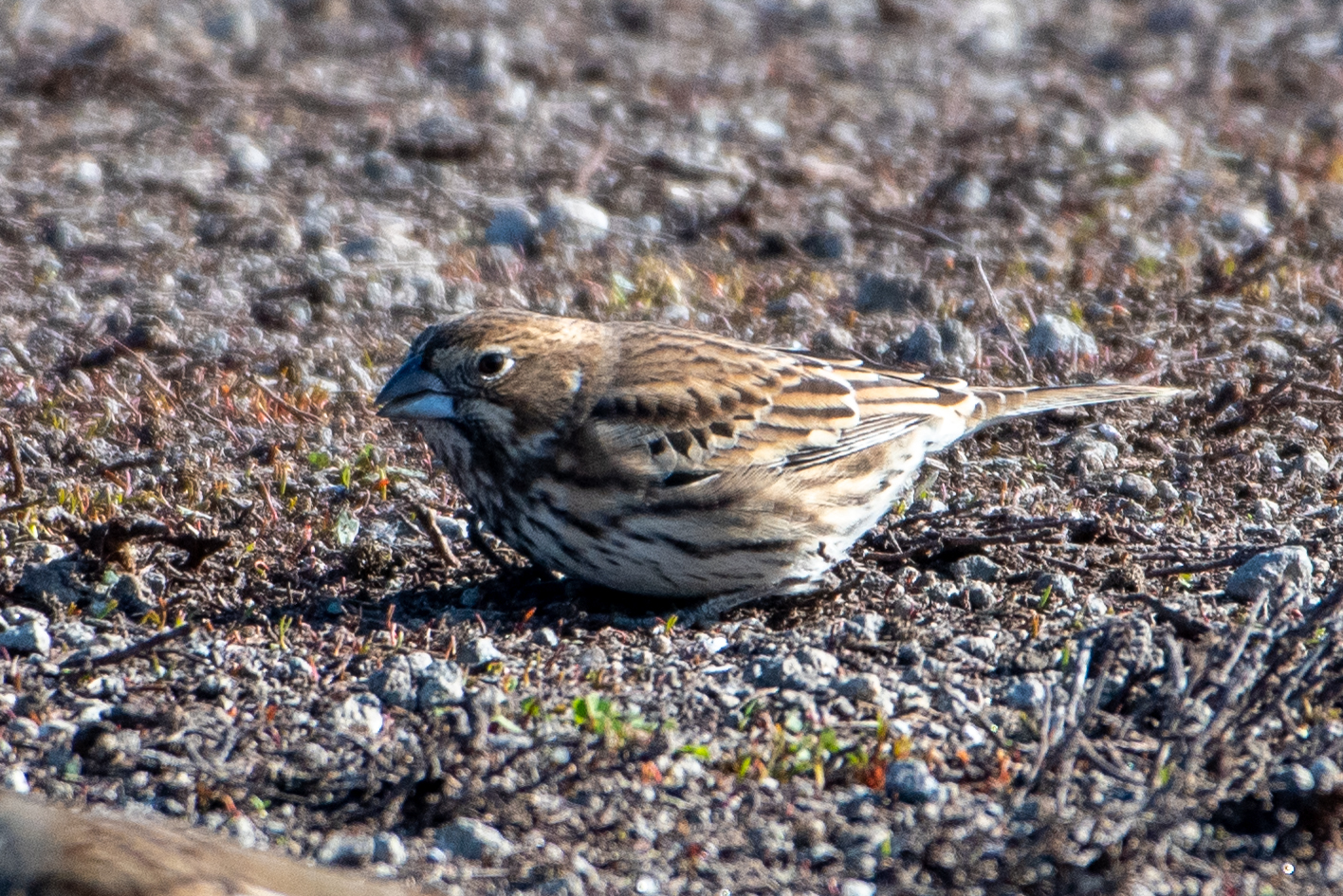 Lark Bunting
In short
Cooper's Hawk and Lark Bunting are vastly different in appearance and behavior. The Cooper's Hawk is a medium-sized raptor with a long tail and rounded wings, while the Lark Bunting is a small passerine with distinctive seasonal plumage changes. Their habitats and feeding behaviors are also distinct, with the hawk being a forest predator and the bunting a grassland seed-eater.
Identification tips
- Size and Shape: Look for the larger, broad-winged Cooper's Hawk versus the small, sparrow-like Lark Bunting. 2. Plumage: Note the Cooper's Hawk's gray and barred appearance compared to the Lark Bunting's seasonal plumage changes. 3. Habitat: Consider the environment; hawks in wooded areas and buntings in open grasslands. 4. Behavior: Observe hunting versus flocking and ground foraging. 5. Vocalization: Listen for the hawk's sharp calls versus the bunting's melodic flight songs.
Size
Cooper's Hawk is significantly larger than the Lark Bunting, with a robust body and powerful wings compared to the bunting's small, sparrow-like form.
Plumage
Cooper's Hawk has a slate gray back and a barred tail, while the Lark Bunting male in breeding plumage is strikingly black with white wing patches, and in non-breeding plumage, it resembles a sparrow with streaked brown tones.
Behaviour
Cooper's Hawk is a stealthy hunter, often seen flying through wooded areas in pursuit of prey. In contrast, Lark Buntings are ground foragers, often seen in flocks during migration and displaying aerial songs during breeding.
Habitat
Cooper's Hawk inhabits forests and urban areas, while Lark Bunting prefers open grasslands and prairies, adapting to human-altered landscapes.
Voice
Cooper's Hawk has a series of sharp calls, especially during breeding, while Lark Bunting males have two distinct flight songs used in territorial displays.