
Coscoroba Swan vs Muscovy Duck
Coscoroba coscoroba versus Cairina moschata
Play a quiz with Coscoroba Swan and Muscovy Duck
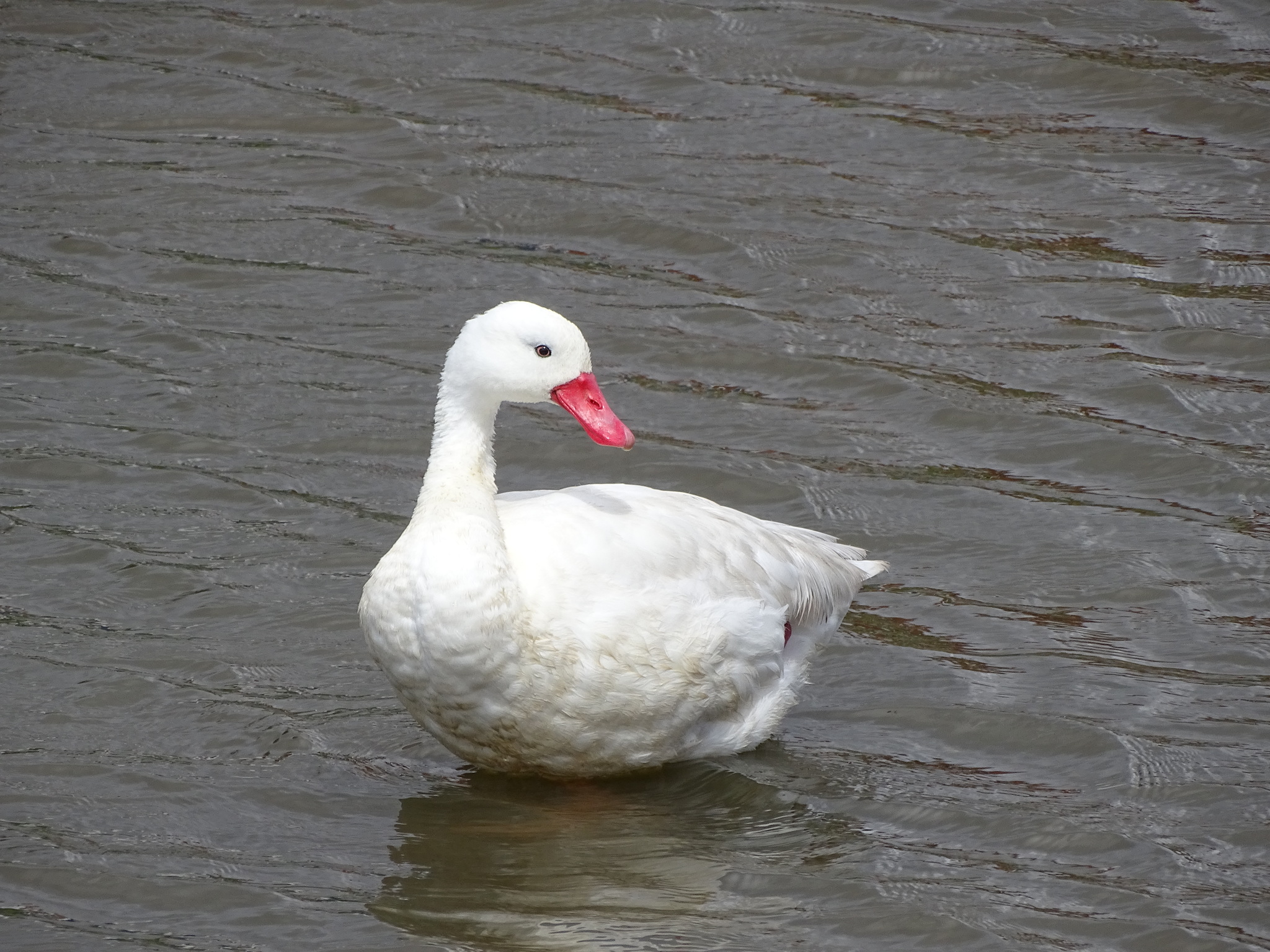 Coscoroba Swan
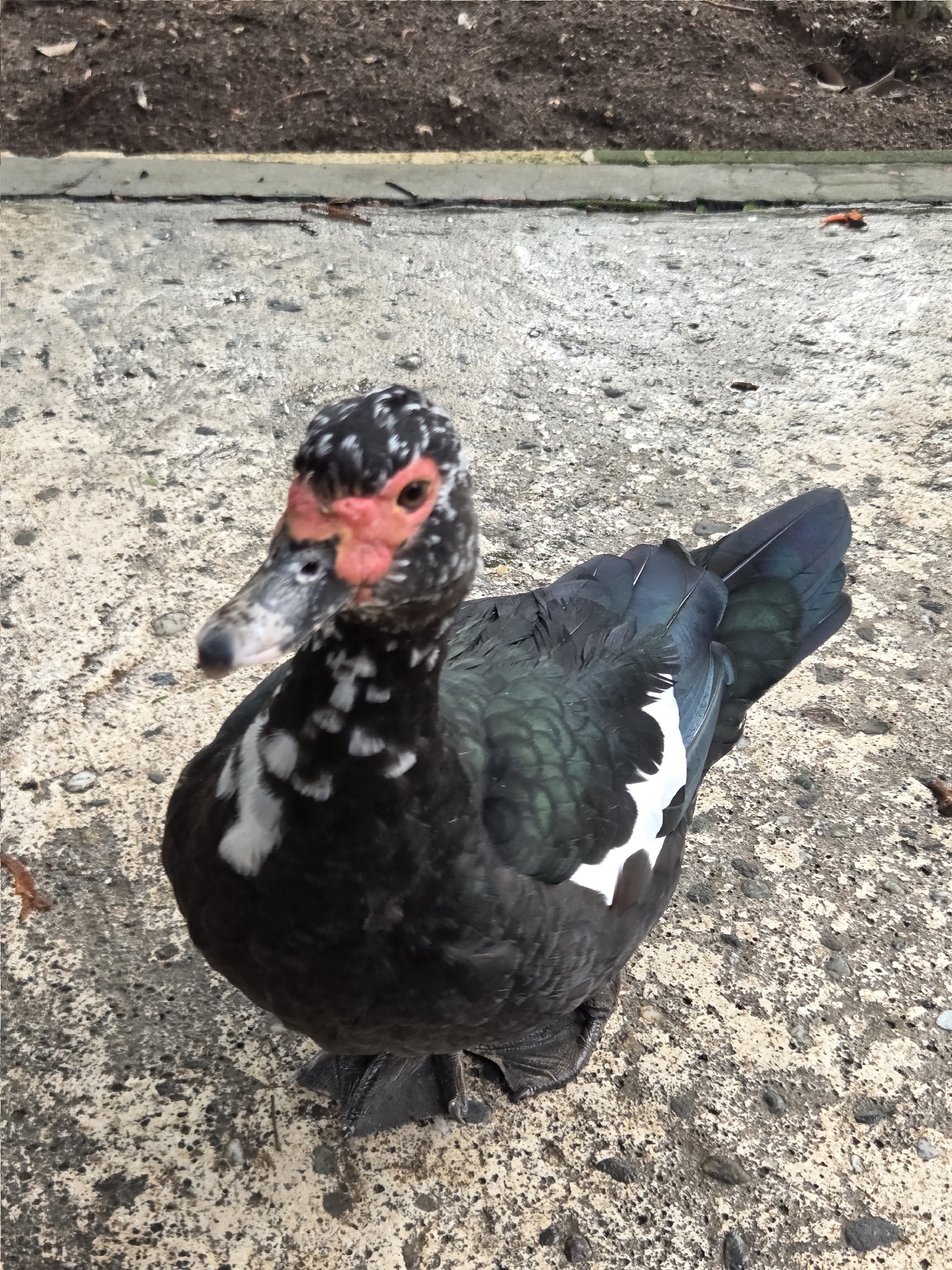 Muscovy Duck
In short
The Coscoroba Swan and Muscovy Duck are both large waterfowl, but the Coscoroba Swan is more swan-like with a pure white plumage and a bright red bill, while the Muscovy Duck has a distinctive carunculated face and can be found in both wild and domestic forms. These species differ significantly in behavior and habitat preferences.
Identification tips
- Bill and Face: Look for the Coscoroba Swan's bright red bill and lack of facial caruncles, compared to the Muscovy Duck's red, carunculated face.
- Plumage: Note the Coscoroba Swan's pure white plumage with black wingtips versus the variable but often dark plumage of the Muscovy Duck.
- Behavior: Observe the habitat and behavior; Coscoroba Swans are not arboreal, unlike Muscovy Ducks.
- Size and Shape: Consider the overall size and swan-like shape of the Coscoroba Swan compared to the more duck-like Muscovy Duck.
Size
The Coscoroba Swan is smaller than most swans but larger than the Muscovy Duck. Muscovy Ducks show significant size dimorphism, with males being much larger than females.
Plumage
Coscoroba Swans have a striking all-white plumage with black wingtips visible in flight. Muscovy Ducks vary widely, especially in domestic forms, but wild types are mostly black with white wing patches and a distinctive red, carunculated face.
Behaviour
Coscoroba Swans are typically found in open water and are not arboreal. In contrast, Muscovy Ducks are partially arboreal, often roosting in trees and nesting in tree cavities.
Habitat
Coscoroba Swans prefer open freshwater habitats like lakes and ponds. Muscovy Ducks are more versatile, inhabiting both forested and open areas, often near water, and are frequently found in urban settings.
Voice
Coscoroba Swans are relatively quiet, making soft whistling sounds. Muscovy Ducks are also quiet but can produce a low hissing noise.