
Crested Caracara vs Peregrine Falcon
Caracara plancus versus Falco peregrinus
Play a quiz with Crested Caracara and Peregrine Falcon
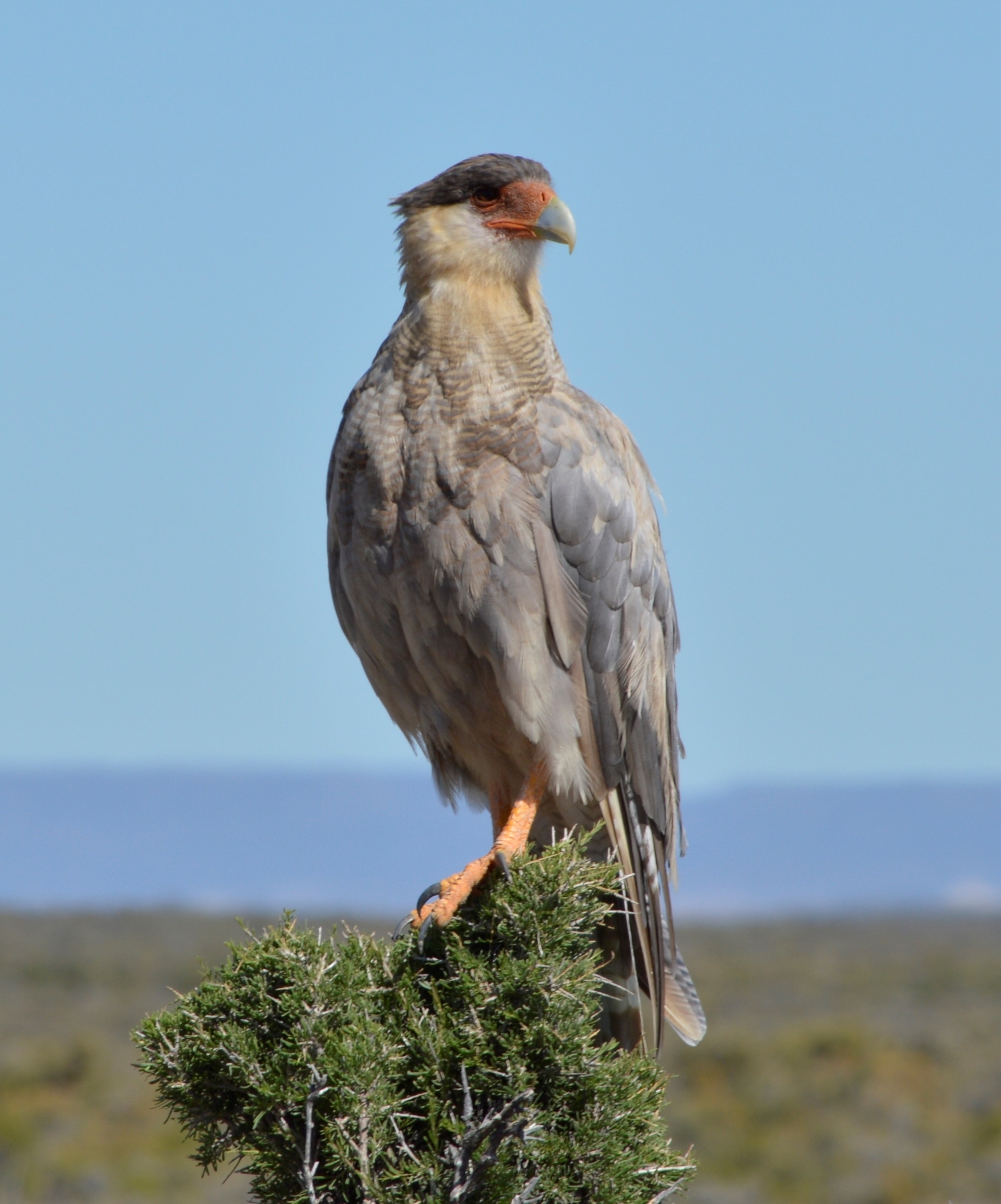 Crested Caracara
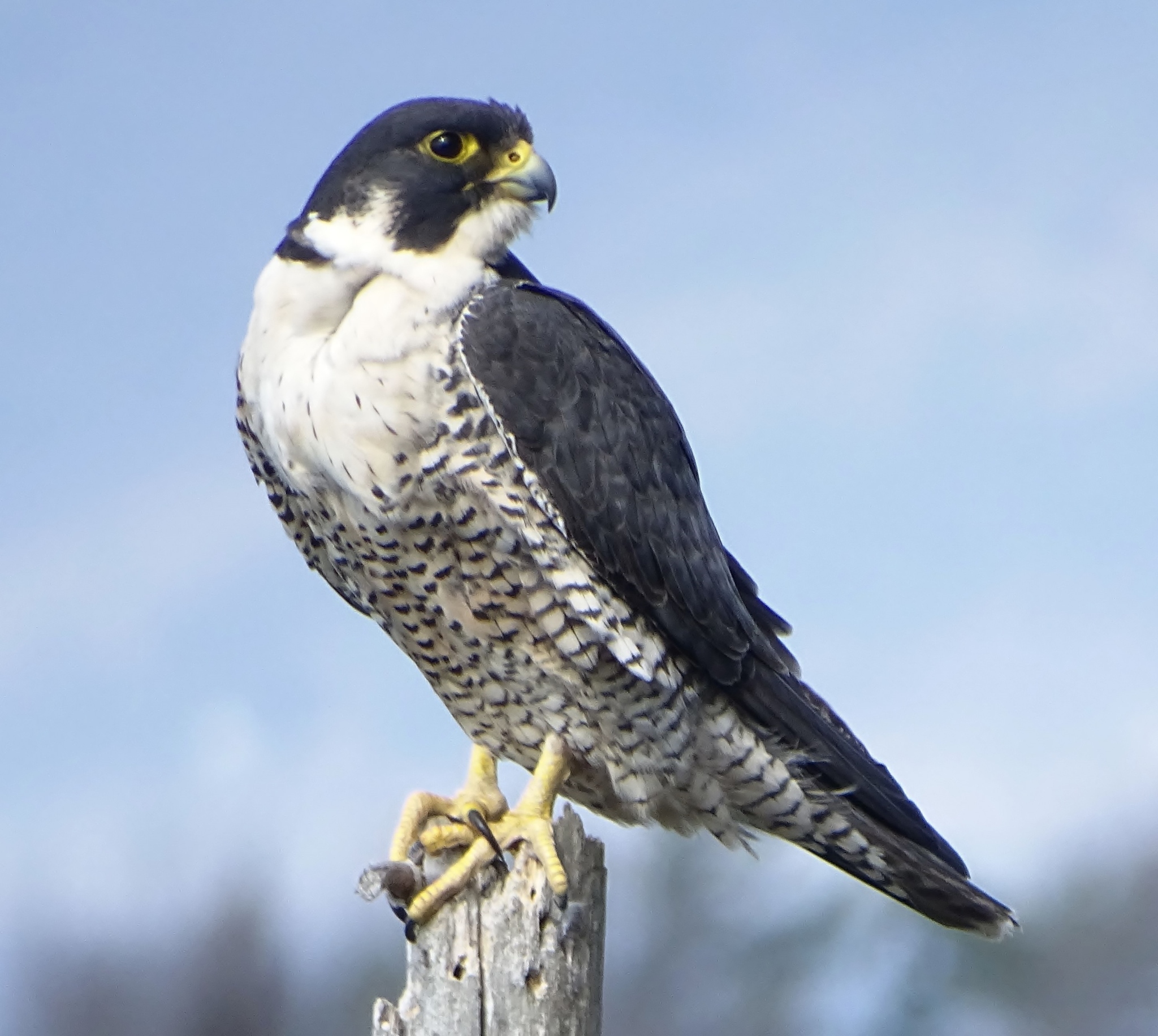 Peregrine Falcon
In short
The Crested Caracara and Peregrine Falcon are both members of the Falconidae family, but they differ significantly in appearance and behavior. The Crested Caracara is a large, conspicuous bird often seen walking on the ground, while the Peregrine Falcon is a sleek, powerful flier known for its high-speed hunting dives.
Identification tips
- Look for the black cap and crest on the Crested Caracara. 2. Note the yellow-orange face and legs of the Crested Caracara. 3. Observe behavior: Crested Caracaras often walk on the ground, while Peregrine Falcons are more likely to be seen flying or perched high. 4. Consider habitat: Crested Caracaras prefer open areas, while Peregrine Falcons can be found in diverse environments. 5. Listen for vocalizations: a rattling call suggests a Crested Caracara, while a 'kek-kek-kek' call indicates a Peregrine Falcon.
Size
The Crested Caracara is generally larger and bulkier than the Peregrine Falcon, with a more robust build.
Plumage
Crested Caracaras have a distinctive black cap and crest, white neck and underparts, and dark wings with white patches. Their face and legs are bright yellow-orange. Peregrine Falcons have a blue-gray back, barred underparts, and a distinctive black 'helmet' and mustache mark on their face.
Behaviour
Crested Caracaras are often seen walking on the ground and are opportunistic feeders, frequently scavenging. Peregrine Falcons are aerial hunters, known for their high-speed stoops to catch prey mid-air.
Habitat
Crested Caracaras inhabit open landscapes like grasslands and deserts, often with scattered trees or cacti. Peregrine Falcons are more versatile, found in a variety of habitats from urban areas to coastal cliffs.
Voice
Crested Caracaras have a rattling call, often given when agitated. Peregrine Falcons have a high-pitched, repetitive 'kek-kek-kek' call, especially during the breeding season.