Birdr

Croaking Ground Dove vs Blue Ground Dove

Columbina cruziana versus Claravis pretiosa

Play a quiz with Croaking Ground Dove and Blue Ground Dove
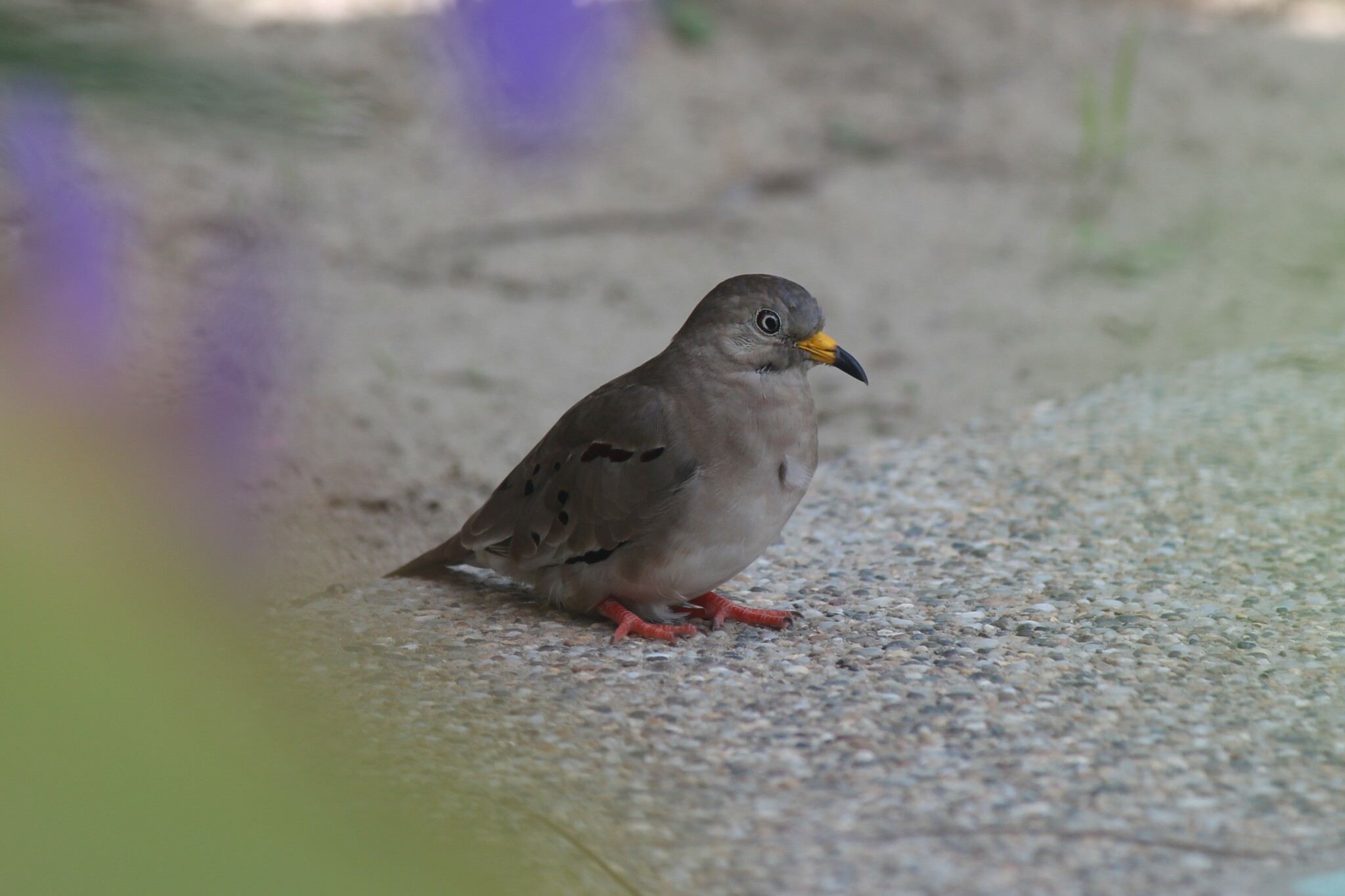
Croaking Ground Dove (Columbina cruziana) Croaking Ground Dove
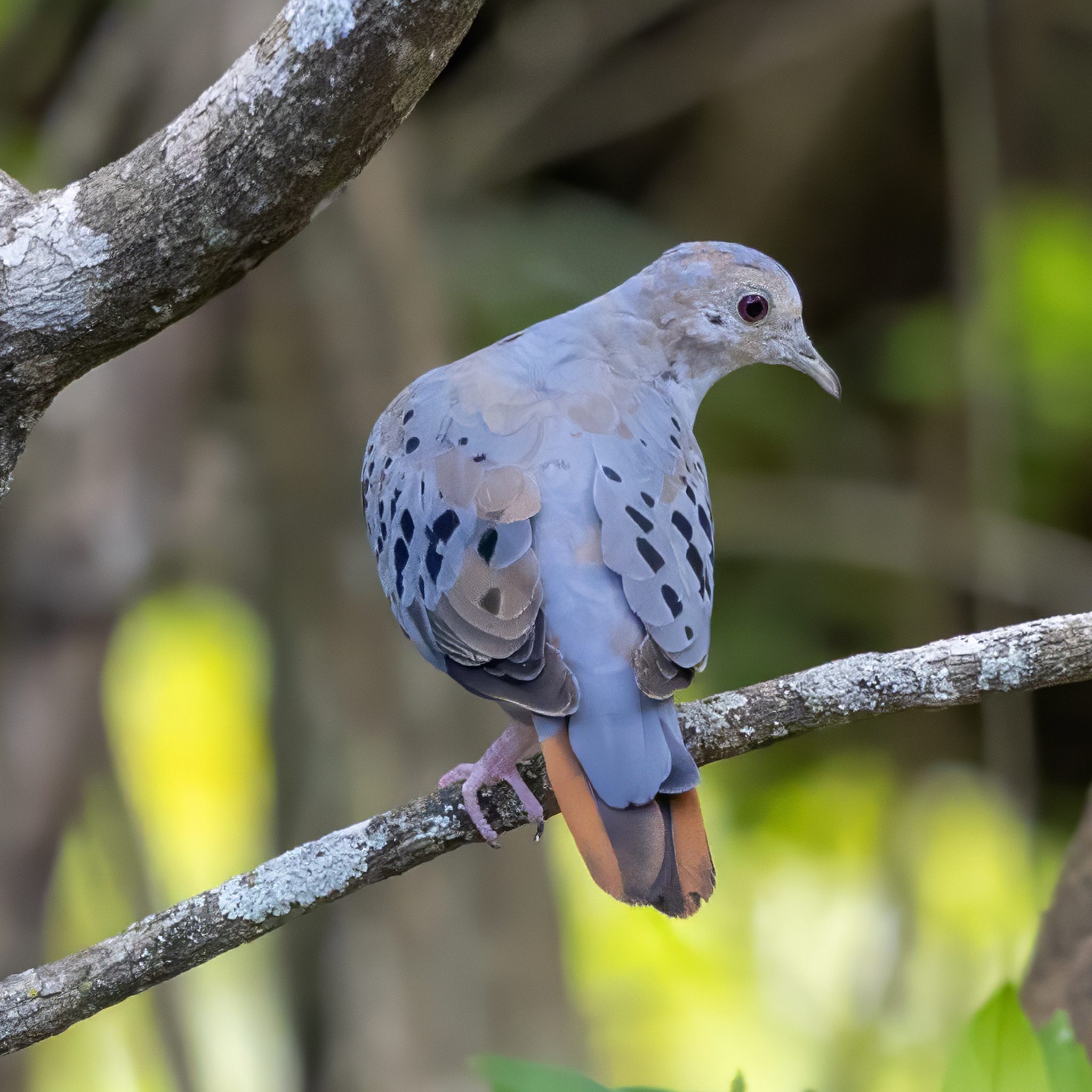
Blue Ground Dove (Claravis pretiosa) Blue Ground Dove

Media

Loading…

In short

The Croaking Ground Dove (Columbina cruziana) is distinguished by its black primaries and chestnut scapular bar, while the Blue Ground Dove (Claravis pretiosa) is notable for its overall blue-gray plumage. Both species are ground-dwelling, but their calls and habitat preferences offer additional clues for identification.

Identification tips

Check for black primaries and chestnut scapular bar on the Croaking Ground Dove. Look for overall blue-gray plumage in the Blue Ground Dove. Listen for the harsh, creaking call of the Croaking Ground Dove versus the monotonous call of the Blue Ground Dove. Observe behavior: Croaking Ground Doves are often in groups, while Blue Ground Doves are more solitary or in pairs.

Size

Both species are small ground doves, with similar compact shapes and sizes.

Plumage

The Croaking Ground Dove has black primaries and a chestnut scapular bar, with an orange-yellow base on the bill. In contrast, the Blue Ground Dove is characterized by its overall blue-gray plumage.

Behaviour

Croaking Ground Doves are often seen in groups foraging on the ground, while Blue Ground Doves are usually found alone or in pairs, sometimes in family groups.

Habitat

Croaking Ground Doves are found in lower Andean slopes and intermontane valleys, often in agricultural and urban areas. Blue Ground Doves prefer low-level flying through vegetation, typically in more forested environments.

Voice

The Croaking Ground Dove's call is a harsh, creaking sound, quite distinctive and undovelike. The Blue Ground Dove's call is a somewhat monotonous, repeated sound.

Submit a better description

Use the same sections as the comparison. Your text is published immediately.

The Croaking Ground Dove (Columbina cruziana) is distinguished by its black primaries and chestnut scapular bar, while the Blue Ground Dove (Claravis pretiosa) is notable for its overall blue-gray plumage. Both species are ground-dwelling, but their calls and habitat preferences offer additional clues for identification.

Check for black primaries and chestnut scapular bar on the Croaking Ground Dove. Look for overall blue-gray plumage in the Blue Ground Dove. Listen for the harsh, creaking call of the Croaking Ground Dove versus the monotonous call of the Blue Ground Dove. Observe behavior: Croaking Ground Doves are often in groups, while Blue Ground Doves are more solitary or in pairs.

Both species are small ground doves, with similar compact shapes and sizes.

The Croaking Ground Dove has black primaries and a chestnut scapular bar, with an orange-yellow base on the bill. In contrast, the Blue Ground Dove is characterized by its overall blue-gray plumage.

Croaking Ground Doves are often seen in groups foraging on the ground, while Blue Ground Doves are usually found alone or in pairs, sometimes in family groups.

Croaking Ground Doves are found in lower Andean slopes and intermontane valleys, often in agricultural and urban areas. Blue Ground Doves prefer low-level flying through vegetation, typically in more forested environments.

The Croaking Ground Dove's call is a harsh, creaking sound, quite distinctive and undovelike. The Blue Ground Dove's call is a somewhat monotonous, repeated sound.

Discard your changes?

You have unsaved edits. If you leave now, those changes will be lost.

Croaking Ground Dove · Blue Ground Dove · My Tricky Birds