Birdr

Cuban Grassquit vs Black-faced Grassquit

Phonipara canora versus Melanospiza bicolor

Play a quiz with Cuban Grassquit and Black-faced Grassquit
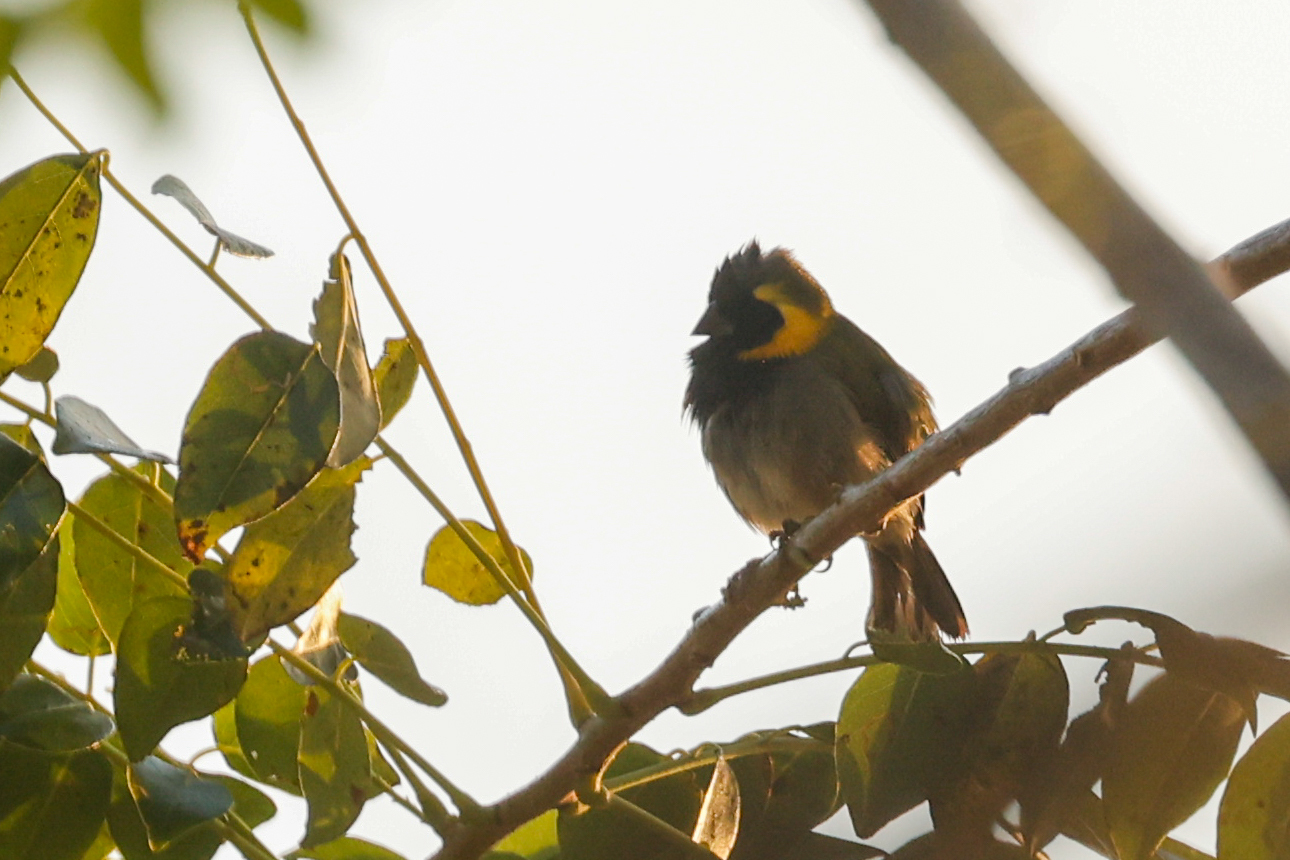
Cuban Grassquit (Phonipara canora) Cuban Grassquit
Black-faced Grassquit (Melanospiza bicolor) Black-faced Grassquit

Media

Loading…

In short

The Cuban Grassquit and Black-faced Grassquit are both small, seed-eating birds found in the Caribbean. The Cuban Grassquit is distinguished by its bright yellow face and throat, while the Black-faced Grassquit has a more uniformly dark face. Both species are often seen in similar habitats, but their plumage differences are key for identification.

Identification tips

  1. Look for the bright yellow face and throat of the Cuban Grassquit. 2. Note the uniformly dark face of the Black-faced Grassquit. 3. Observe behavior: both species forage on the ground, but Cuban Grassquits may be in mixed flocks with Yellow-faced Grassquits. 4. Listen for the Cuban Grassquit's melodious song, which may help in distinguishing it from the Black-faced Grassquit.

Size

Both species are small and similar in size, typical of grassquits.

Plumage

The Cuban Grassquit features a bright yellow face and throat with a contrasting black chest, while the Black-faced Grassquit has a uniformly dark face and chest, lacking the bright yellow markings.

Behaviour

Both species forage on the ground and are often seen in flocks. The Cuban Grassquit may be found in smaller numbers when mixed with Yellow-faced Grassquits.

Habitat

Both species inhabit areas with low trees and shrubs, often thorny, and can be found in grasslands and crops.

Voice

The Cuban Grassquit is known for its melodious song, which may be more distinctive compared to the Black-faced Grassquit, though specific differences in calls are not detailed.

Submit a better description

Use the same sections as the comparison. Your text is published immediately.

The Cuban Grassquit and Black-faced Grassquit are both small, seed-eating birds found in the Caribbean. The Cuban Grassquit is distinguished by its bright yellow face and throat, while the Black-faced Grassquit has a more uniformly dark face. Both species are often seen in similar habitats, but their plumage differences are key for identification.

  1. Look for the bright yellow face and throat of the Cuban Grassquit. 2. Note the uniformly dark face of the Black-faced Grassquit. 3. Observe behavior: both species forage on the ground, but Cuban Grassquits may be in mixed flocks with Yellow-faced Grassquits. 4. Listen for the Cuban Grassquit's melodious song, which may help in distinguishing it from the Black-faced Grassquit.

Both species are small and similar in size, typical of grassquits.

The Cuban Grassquit features a bright yellow face and throat with a contrasting black chest, while the Black-faced Grassquit has a uniformly dark face and chest, lacking the bright yellow markings.

Both species forage on the ground and are often seen in flocks. The Cuban Grassquit may be found in smaller numbers when mixed with Yellow-faced Grassquits.

Both species inhabit areas with low trees and shrubs, often thorny, and can be found in grasslands and crops.

The Cuban Grassquit is known for its melodious song, which may be more distinctive compared to the Black-faced Grassquit, though specific differences in calls are not detailed.

Discard your changes?

You have unsaved edits. If you leave now, those changes will be lost.

Cuban Grassquit · Black-faced Grassquit · My Tricky Birds