
Birdr

Curlew Sandpiper vs Common Tailorbird

Calidris ferruginea versus Orthotomus sutorius

Play a quiz with Curlew Sandpiper and Common Tailorbird
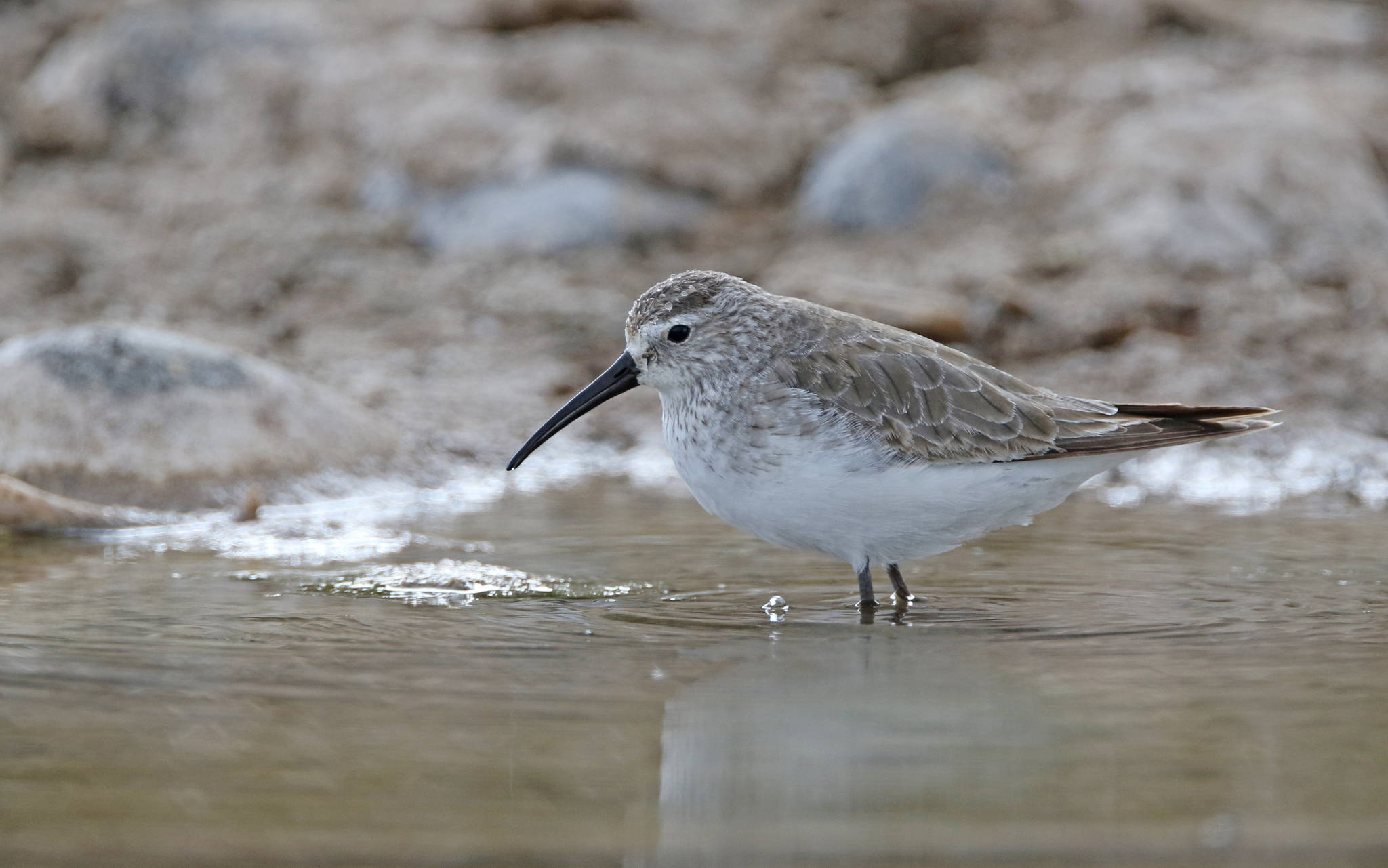
Curlew Sandpiper (Calidris ferruginea) Curlew Sandpiper
Common Tailorbird (Orthotomus sutorius) Common Tailorbird

Media

Loading…

In short

Curlew Sandpiper and Common Tailorbird are easily distinguished by habitat and structure. The Curlew Sandpiper is a wader found in wetlands, while the Common Tailorbird is a small passerine seen in shrubs and gardens. Their size and bill shape are also distinct, aiding in quick identification.

Identification tips

  1. Habitat: Check the environment; wetlands suggest Curlew Sandpiper, gardens or shrubs suggest Common Tailorbird. 2. Size and Shape: Curlew Sandpiper is larger with a longer, decurved bill; Common Tailorbird is small with a short, straight bill. 3. Plumage: In breeding season, look for the rufous chest of the Curlew Sandpiper. 4. Behavior: Note feeding behavior; probing in mud suggests Curlew Sandpiper, while active foliage movement suggests Common Tailorbird. 5. Vocalization: Listen for the distinctive calls; soft trills for Curlew Sandpiper, loud repetitive notes for Common Tailorbird.

Size

Curlew Sandpiper is medium-sized for a sandpiper, significantly larger than the small Common Tailorbird.

Plumage

Curlew Sandpiper in breeding plumage has a distinctive rufous chest and face, while Common Tailorbird has a greenish back and a rufous crown. Non-breeding Curlew Sandpipers are grayish, which can be confused with other waders but not with the Tailorbird.

Behaviour

Curlew Sandpipers are often seen probing in mudflats, while Common Tailorbirds are active in foliage, often seen hopping and flicking their tails.

Habitat

Curlew Sandpiper inhabits coastal wetlands and mudflats, whereas Common Tailorbird is found in gardens, shrubs, and open woodlands.

Voice

Curlew Sandpiper has a soft, trilling call, while Common Tailorbird is known for its loud, repetitive 'cheeup-cheeup' song.

Submit a better description

Use the same sections as the comparison. Your text is published immediately.

Curlew Sandpiper and Common Tailorbird are easily distinguished by habitat and structure. The Curlew Sandpiper is a wader found in wetlands, while the Common Tailorbird is a small passerine seen in shrubs and gardens. Their size and bill shape are also distinct, aiding in quick identification.

  1. Habitat: Check the environment; wetlands suggest Curlew Sandpiper, gardens or shrubs suggest Common Tailorbird. 2. Size and Shape: Curlew Sandpiper is larger with a longer, decurved bill; Common Tailorbird is small with a short, straight bill. 3. Plumage: In breeding season, look for the rufous chest of the Curlew Sandpiper. 4. Behavior: Note feeding behavior; probing in mud suggests Curlew Sandpiper, while active foliage movement suggests Common Tailorbird. 5. Vocalization: Listen for the distinctive calls; soft trills for Curlew Sandpiper, loud repetitive notes for Common Tailorbird.

Curlew Sandpiper is medium-sized for a sandpiper, significantly larger than the small Common Tailorbird.

Curlew Sandpiper in breeding plumage has a distinctive rufous chest and face, while Common Tailorbird has a greenish back and a rufous crown. Non-breeding Curlew Sandpipers are grayish, which can be confused with other waders but not with the Tailorbird.

Curlew Sandpipers are often seen probing in mudflats, while Common Tailorbirds are active in foliage, often seen hopping and flicking their tails.

Curlew Sandpiper inhabits coastal wetlands and mudflats, whereas Common Tailorbird is found in gardens, shrubs, and open woodlands.

Curlew Sandpiper has a soft, trilling call, while Common Tailorbird is known for its loud, repetitive 'cheeup-cheeup' song.

Discard your changes?

You have unsaved edits. If you leave now, those changes will be lost.

Curlew Sandpiper · Common Tailorbird · My Tricky Birds