Birdr

Cut-throat vs Protea Canary

Amadina fasciata versus Crithagra leucoptera

Play a quiz with Cut-throat and Protea Canary
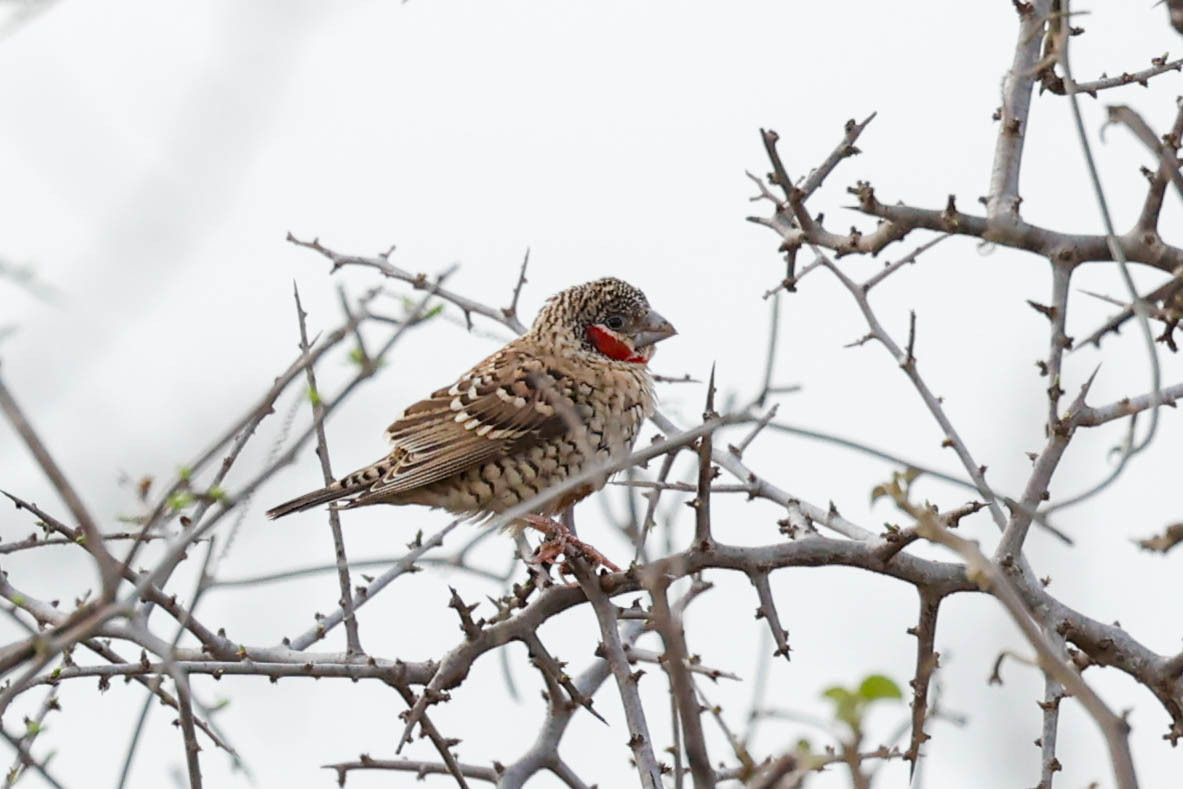
Cut-throat (Amadina fasciata) Cut-throat
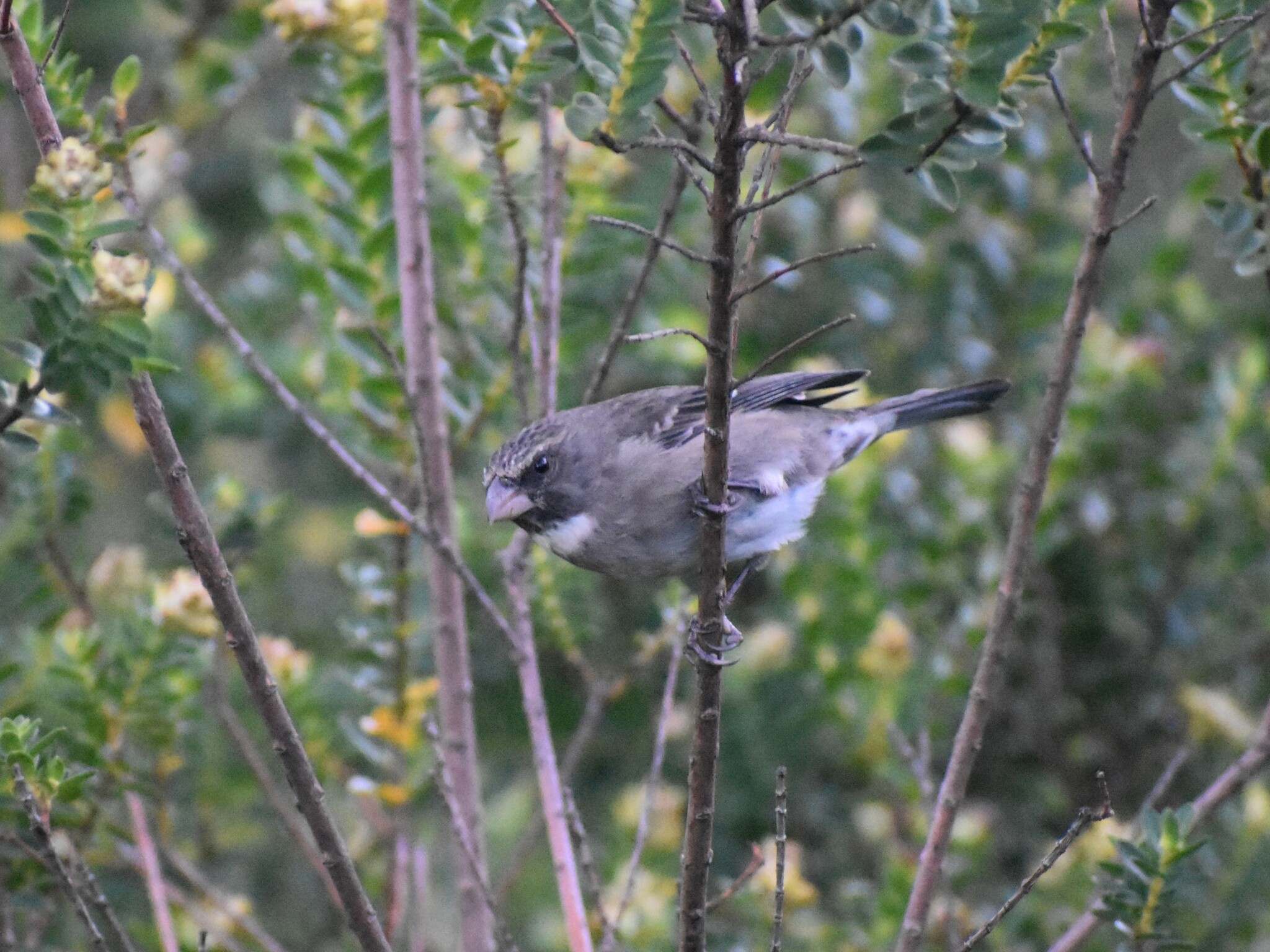
Protea Canary (Crithagra leucoptera) Protea Canary

Media

Loading…

In short

The Cut-throat (Amadina fasciata) is best identified by its distinctive red throat band, while the Protea Canary (Crithagra leucoptera) lacks this feature and has a more uniform appearance. Both species are small passerines but belong to different families, which influences their structure and behavior.

Identification tips

  1. Look for the red throat band on the Cut-throat; it's the most reliable field mark. 2. Note the habitat: Cut-throats are in open areas, Protea Canaries in shrublands. 3. Listen for song differences: Cut-throats have simpler songs, Protea Canaries more complex. 4. Observe behavior: Cut-throats are often on the ground, Protea Canaries in trees.

Size

Both species are small, but the Protea Canary is generally more robust with a slightly larger body and thicker bill compared to the slender Cut-throat.

Plumage

The Cut-throat is notable for its red throat band, which is absent in the Protea Canary. The Protea Canary has a more uniform plumage with subtle yellowish tones, especially on the wings and tail.

Behaviour

Cut-throats are often seen in flocks and are more terrestrial, feeding on the ground. Protea Canaries are more arboreal, often seen in pairs or small groups, and are more likely to be found in trees.

Habitat

Cut-throats prefer open savannas and grasslands, while Protea Canaries are typically found in fynbos and other shrubland habitats, often associated with protea plants.

Voice

The Cut-throat has a simple, repetitive song, while the Protea Canary's song is more complex and melodious. Calls of the Protea Canary are also more varied.

Submit a better description

Use the same sections as the comparison. Your text is published immediately.

The Cut-throat (Amadina fasciata) is best identified by its distinctive red throat band, while the Protea Canary (Crithagra leucoptera) lacks this feature and has a more uniform appearance. Both species are small passerines but belong to different families, which influences their structure and behavior.

  1. Look for the red throat band on the Cut-throat; it's the most reliable field mark. 2. Note the habitat: Cut-throats are in open areas, Protea Canaries in shrublands. 3. Listen for song differences: Cut-throats have simpler songs, Protea Canaries more complex. 4. Observe behavior: Cut-throats are often on the ground, Protea Canaries in trees.

Both species are small, but the Protea Canary is generally more robust with a slightly larger body and thicker bill compared to the slender Cut-throat.

The Cut-throat is notable for its red throat band, which is absent in the Protea Canary. The Protea Canary has a more uniform plumage with subtle yellowish tones, especially on the wings and tail.

Cut-throats are often seen in flocks and are more terrestrial, feeding on the ground. Protea Canaries are more arboreal, often seen in pairs or small groups, and are more likely to be found in trees.

Cut-throats prefer open savannas and grasslands, while Protea Canaries are typically found in fynbos and other shrubland habitats, often associated with protea plants.

The Cut-throat has a simple, repetitive song, while the Protea Canary's song is more complex and melodious. Calls of the Protea Canary are also more varied.

Discard your changes?

You have unsaved edits. If you leave now, those changes will be lost.

Cut-throat · Protea Canary · My Tricky Birds