Birdr

Dark-backed Weaver vs Brown-capped Weaver

Ploceus bicolor versus Ploceus insignis

Play a quiz with Dark-backed Weaver and Brown-capped Weaver
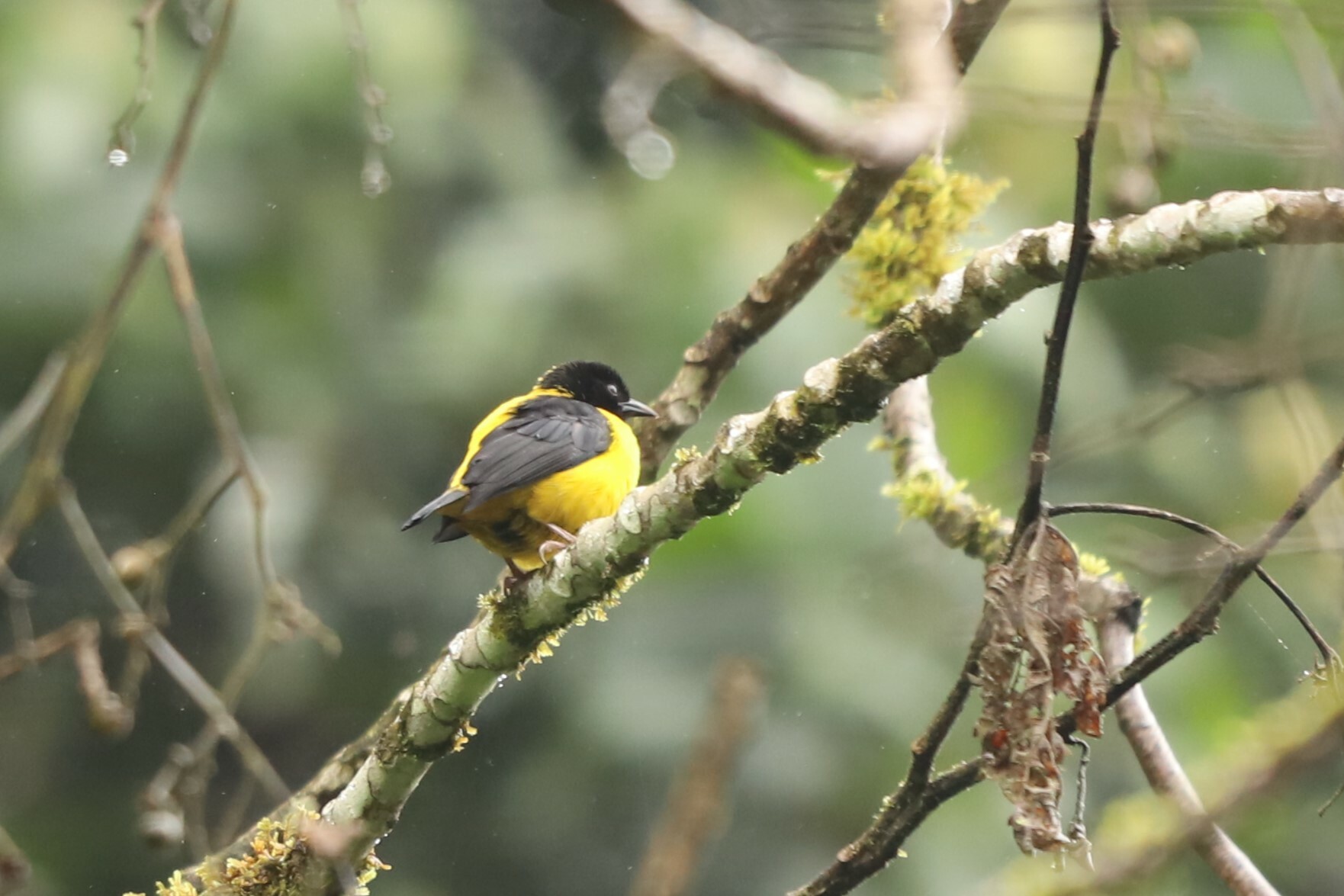
Dark-backed Weaver (Ploceus bicolor) Dark-backed Weaver
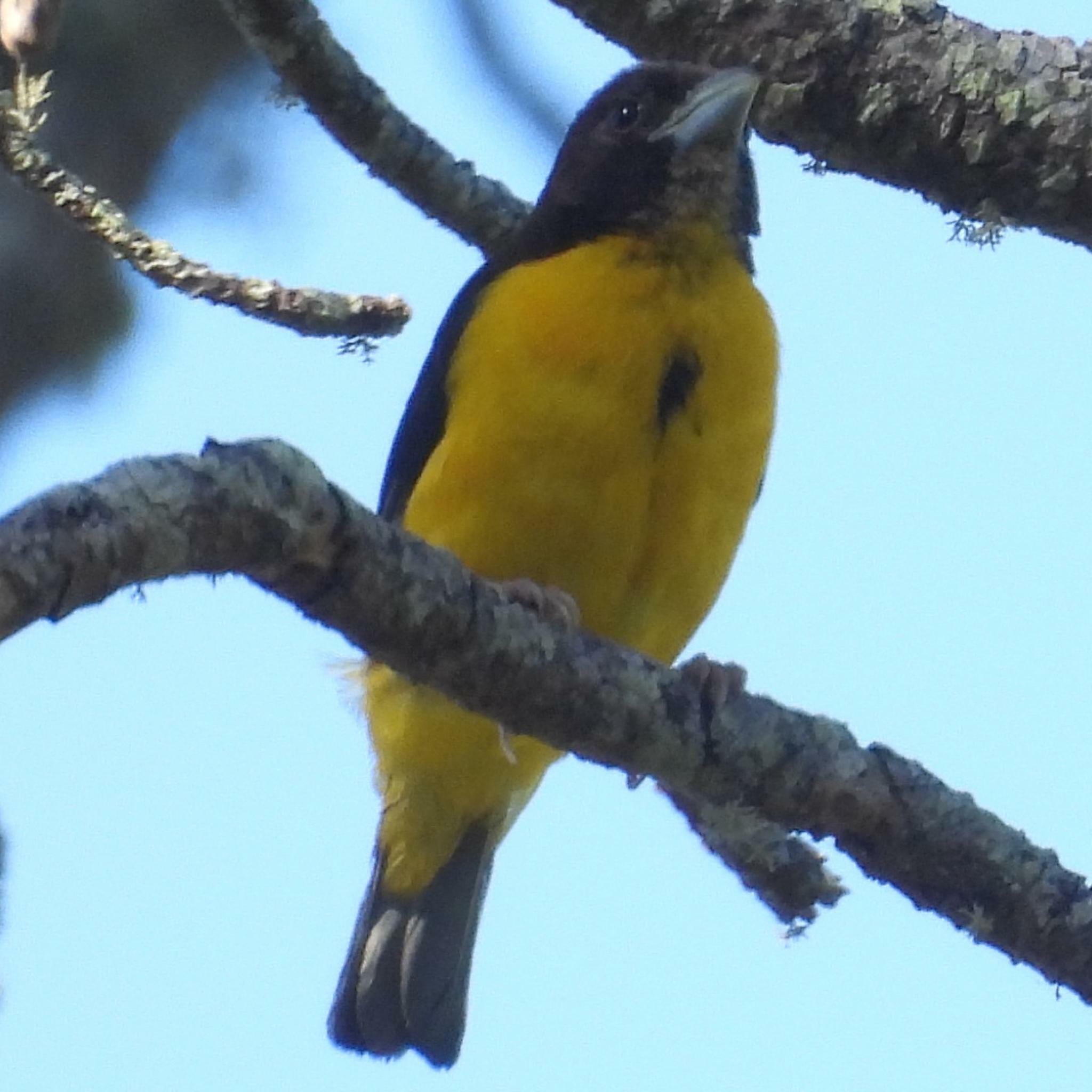
Brown-capped Weaver (Ploceus insignis) Brown-capped Weaver

Media

Loading…

In short

The Dark-backed Weaver and Brown-capped Weaver can be distinguished primarily by their head coloration and habitat preferences. The Dark-backed Weaver has a darker head and back, while the Brown-capped Weaver features a brown cap. Both species are similar in size and structure.

Identification tips

  1. Look for the brown cap on the Brown-capped Weaver. 2. Note the darker head and back of the Dark-backed Weaver. 3. Consider the habitat: forested areas for Dark-backed and open woodlands for Brown-capped. 4. Use plumage differences as the primary field mark, as vocalizations are not distinctive.

Size

Both species are similar in size, typical of weavers, with no significant differences in structure.

Plumage

The Dark-backed Weaver has a darker head and back, while the Brown-capped Weaver is characterized by its distinctive brown cap. These color differences are the most reliable field marks.

Behaviour

Both species exhibit typical weaver behaviors, such as weaving nests and foraging in groups. Behavior is not a reliable differentiator.

Habitat

The Dark-backed Weaver is often found in forested areas, while the Brown-capped Weaver is more associated with open woodlands and forest edges. Habitat preference can aid in identification.

Voice

Vocalizations are not well-documented for distinguishing these species, and they may sound similar.

Submit a better description

Use the same sections as the comparison. Your text is published immediately.

The Dark-backed Weaver and Brown-capped Weaver can be distinguished primarily by their head coloration and habitat preferences. The Dark-backed Weaver has a darker head and back, while the Brown-capped Weaver features a brown cap. Both species are similar in size and structure.

  1. Look for the brown cap on the Brown-capped Weaver. 2. Note the darker head and back of the Dark-backed Weaver. 3. Consider the habitat: forested areas for Dark-backed and open woodlands for Brown-capped. 4. Use plumage differences as the primary field mark, as vocalizations are not distinctive.

Both species are similar in size, typical of weavers, with no significant differences in structure.

The Dark-backed Weaver has a darker head and back, while the Brown-capped Weaver is characterized by its distinctive brown cap. These color differences are the most reliable field marks.

Both species exhibit typical weaver behaviors, such as weaving nests and foraging in groups. Behavior is not a reliable differentiator.

The Dark-backed Weaver is often found in forested areas, while the Brown-capped Weaver is more associated with open woodlands and forest edges. Habitat preference can aid in identification.

Vocalizations are not well-documented for distinguishing these species, and they may sound similar.

Discard your changes?

You have unsaved edits. If you leave now, those changes will be lost.

Dark-backed Weaver · Brown-capped Weaver · My Tricky Birds