
Dunlin vs MacGillivray's Warbler
Calidris alpina versus Geothlypis tolmiei
Play a quiz with Dunlin and MacGillivray's Warbler
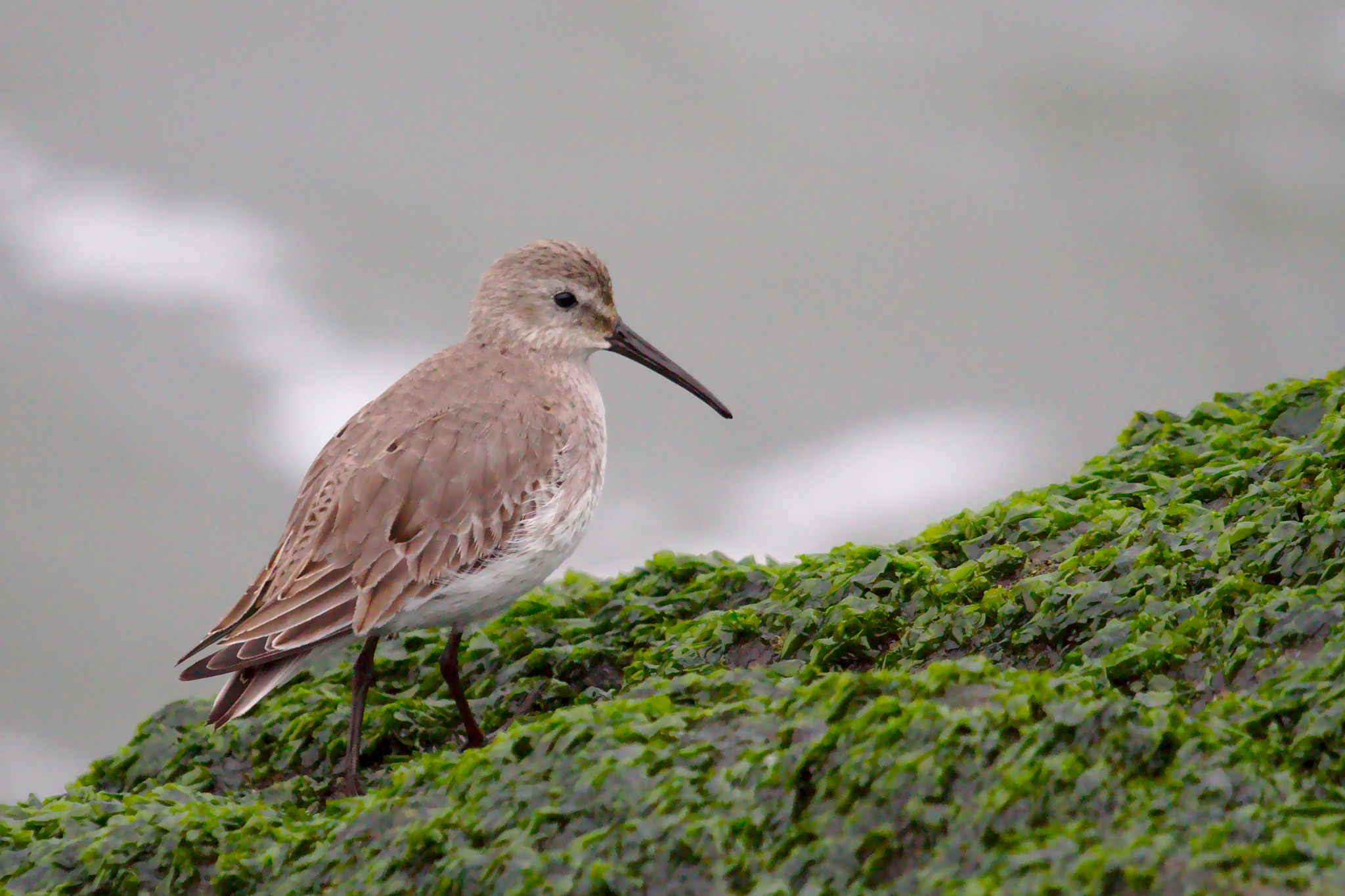 Dunlin
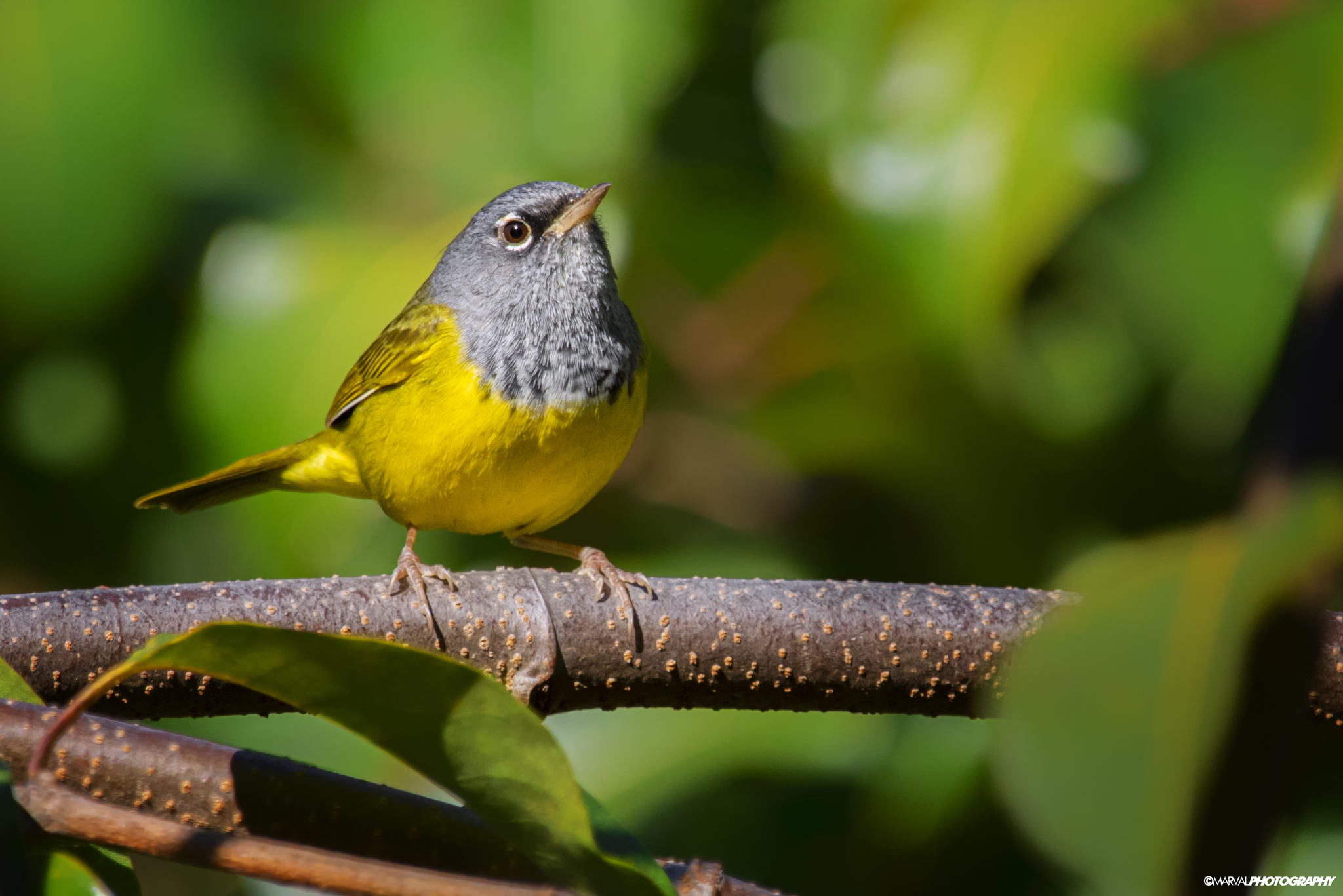 MacGillivray's Warbler
In short
Dunlins and MacGillivray's Warblers are unlikely to be confused due to their distinct habitats and appearances. Dunlins are shorebirds with a distinctive black belly in breeding plumage, while MacGillivray's Warblers are small, elusive songbirds found in dense thickets. Focus on habitat and plumage for reliable identification.
Identification tips
Check habitat first: Dunlins are coastal, MacGillivray's Warblers are in dense, inland thickets. Look for plumage: Dunlins have a black belly in breeding season; MacGillivray's Warblers have a gray hood and yellow underparts. Consider behavior: Dunlins are in flocks; MacGillivray's Warblers are solitary.
Size
Dunlins are medium-sized shorebirds, significantly larger than the small MacGillivray's Warblers.
Plumage
Dunlins have a black belly and rufous back in breeding plumage, turning gray in winter. MacGillivray's Warblers have a gray hood and olive back, with a yellow underpart, and lack the Dunlin's black belly.
Behaviour
Dunlins are often seen in large flocks along coasts, while MacGillivray's Warblers are solitary and secretive, often skulking in dense vegetation.
Habitat
Dunlins inhabit coastal and intertidal areas, while MacGillivray's Warblers prefer dense thickets and riparian vegetation in disturbed areas.
Voice
Dunlins and MacGillivray's Warblers have different vocalizations, but these are not typically used for field identification.