Birdr

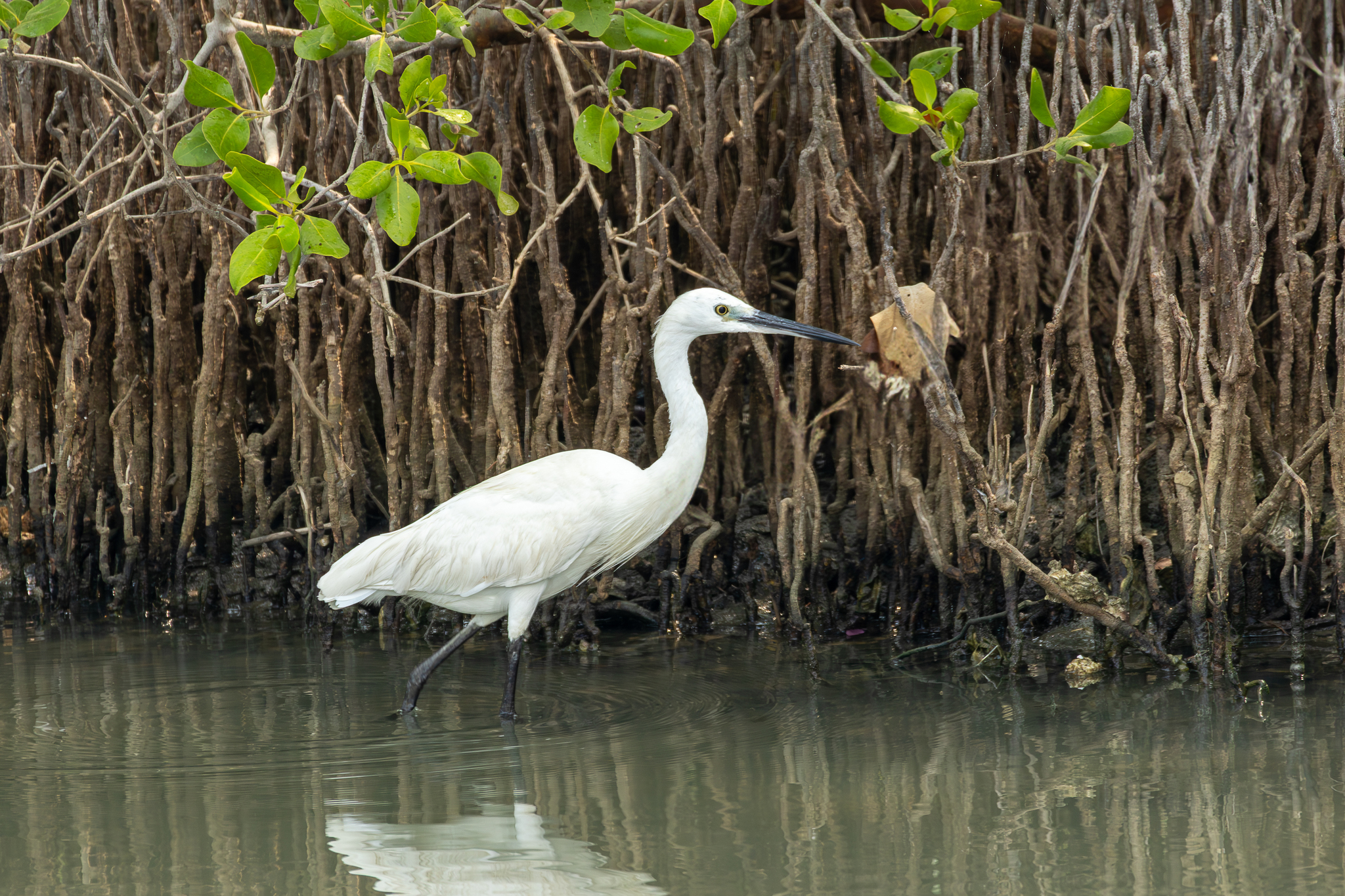
Dwarf Bittern vs Little Egret

Botaurus sturmii versus Egretta garzetta

Play a quiz with Dwarf Bittern and Little Egret
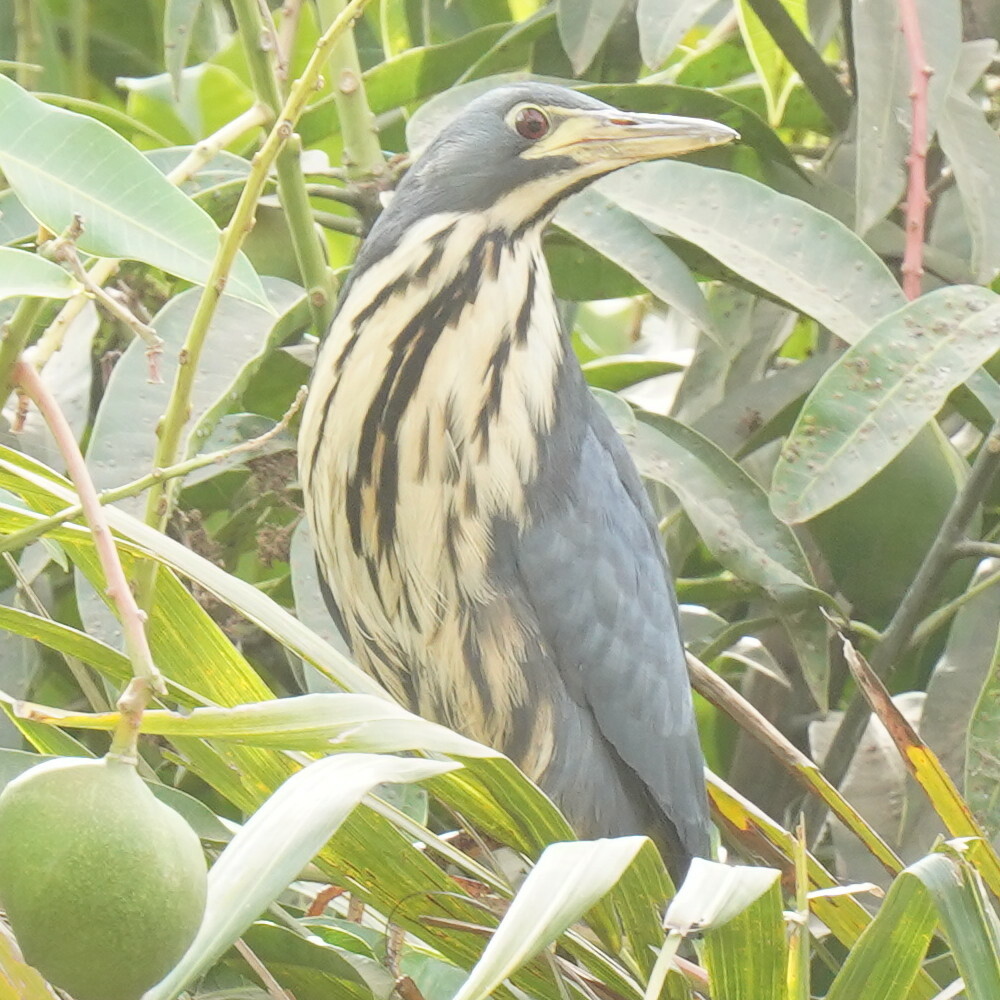
Dwarf Bittern (Botaurus sturmii) Dwarf Bittern
Little Egret (Egretta garzetta) Little Egret

Media

Loading…

In short

The Dwarf Bittern and Little Egret can be distinguished primarily by their size and plumage. The Dwarf Bittern is smaller and more secretive, with a darker, more cryptic plumage, while the Little Egret is larger, with striking white plumage and often seen in more open habitats.

Identification tips

  1. Size: Look for the smaller size of the Dwarf Bittern compared to the larger Little Egret. 2. Plumage: Note the dark, streaked appearance of the Dwarf Bittern versus the pure white plumage of the Little Egret. 3. Behavior: Observe the secretive nature of the Dwarf Bittern in dense vegetation, contrasting with the more open and active foraging behavior of the Little Egret. 4. Habitat: Consider the habitat; Dwarf Bitterns are more likely in dense wetlands, while Little Egrets are found in a wider range of wetland environments.

Size

The Dwarf Bittern is notably smaller than the Little Egret.

Plumage

The Dwarf Bittern has a darker, streaked plumage with a more cryptic appearance, while the Little Egret is entirely white with long plumes on the head and back during the breeding season.

Behaviour

Dwarf Bitterns are more secretive and often found skulking in dense vegetation, whereas Little Egrets are more conspicuous, often seen wading in open water or fields.

Habitat

Dwarf Bitterns prefer dense, reedy wetlands and are more elusive, while Little Egrets are adaptable, found in a variety of wetland habitats including rice fields and fish ponds.

Voice

Vocalizations are not a primary distinguishing feature in the field for these species.

Submit a better description

Use the same sections as the comparison. Your text is published immediately.

The Dwarf Bittern and Little Egret can be distinguished primarily by their size and plumage. The Dwarf Bittern is smaller and more secretive, with a darker, more cryptic plumage, while the Little Egret is larger, with striking white plumage and often seen in more open habitats.

  1. Size: Look for the smaller size of the Dwarf Bittern compared to the larger Little Egret. 2. Plumage: Note the dark, streaked appearance of the Dwarf Bittern versus the pure white plumage of the Little Egret. 3. Behavior: Observe the secretive nature of the Dwarf Bittern in dense vegetation, contrasting with the more open and active foraging behavior of the Little Egret. 4. Habitat: Consider the habitat; Dwarf Bitterns are more likely in dense wetlands, while Little Egrets are found in a wider range of wetland environments.

The Dwarf Bittern is notably smaller than the Little Egret.

The Dwarf Bittern has a darker, streaked plumage with a more cryptic appearance, while the Little Egret is entirely white with long plumes on the head and back during the breeding season.

Dwarf Bitterns are more secretive and often found skulking in dense vegetation, whereas Little Egrets are more conspicuous, often seen wading in open water or fields.

Dwarf Bitterns prefer dense, reedy wetlands and are more elusive, while Little Egrets are adaptable, found in a variety of wetland habitats including rice fields and fish ponds.

Vocalizations are not a primary distinguishing feature in the field for these species.

Discard your changes?

You have unsaved edits. If you leave now, those changes will be lost.

Dwarf Bittern · Little Egret · My Tricky Birds