Birdr

Eared Dove vs Spectacled Thrush

Zenaida auriculata versus Turdus nudigenis

Play a quiz with Eared Dove and Spectacled Thrush
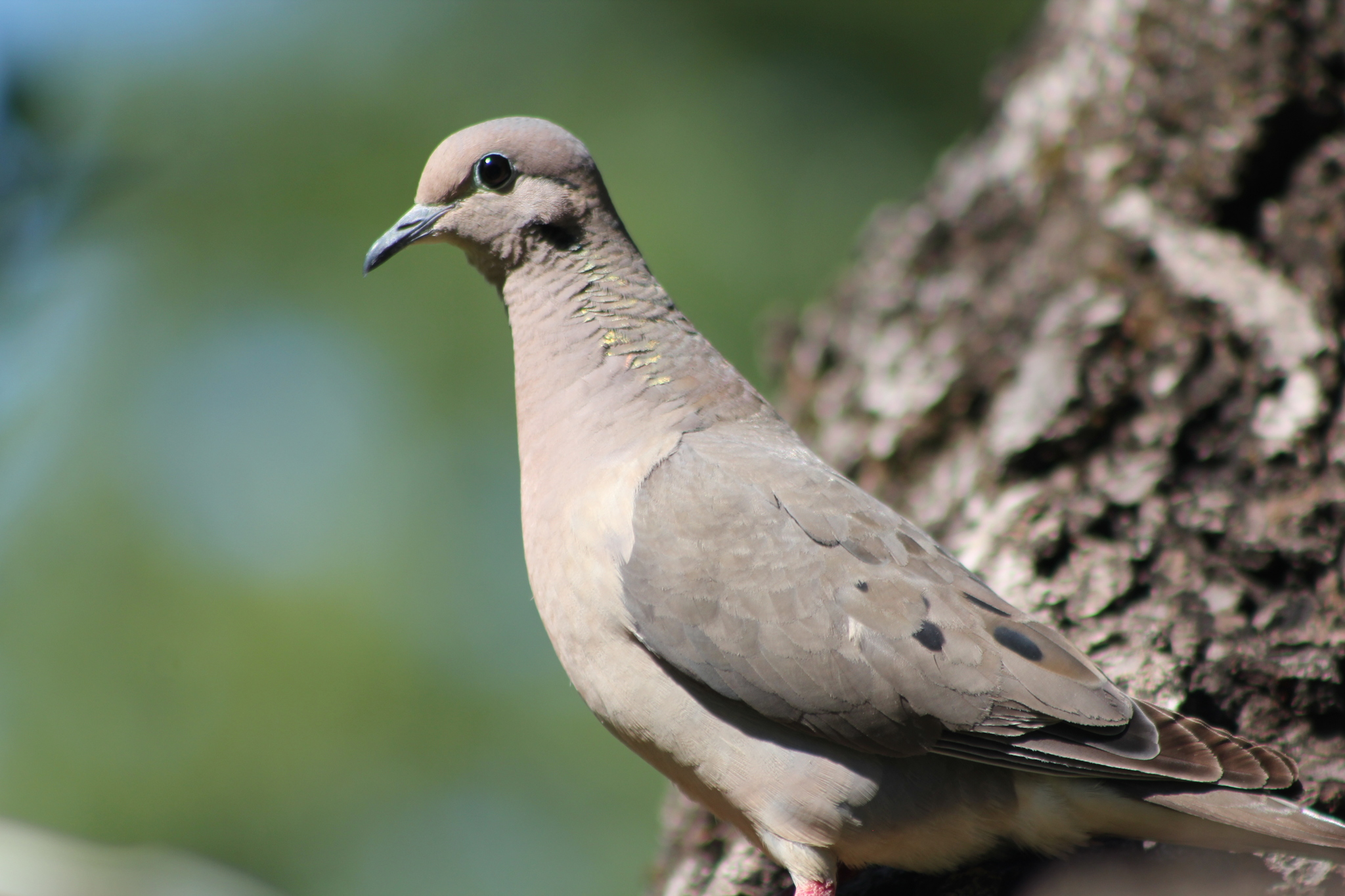
Eared Dove (Zenaida auriculata) Eared Dove
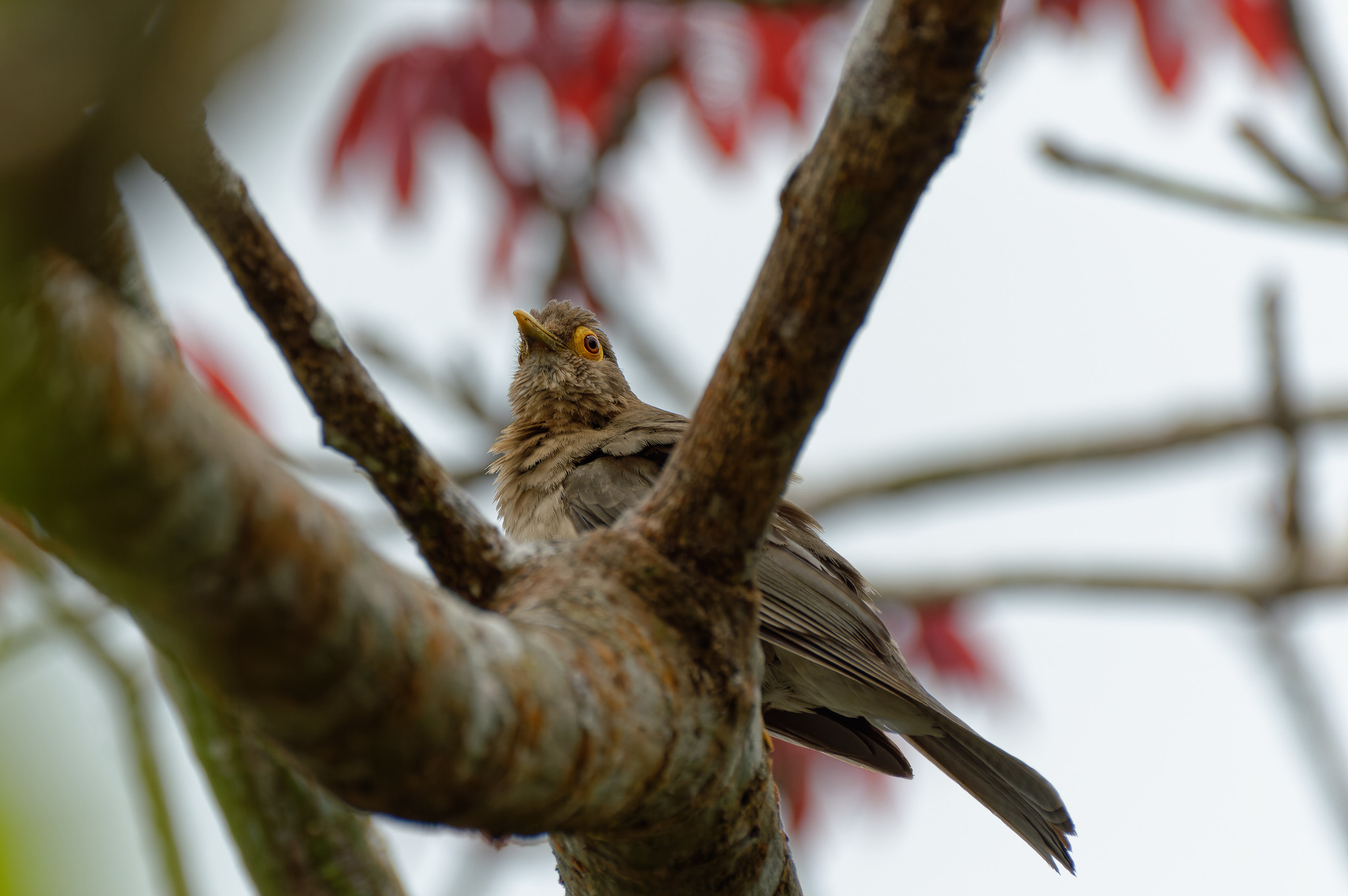
Spectacled Thrush (Turdus nudigenis) Spectacled Thrush

Media

Loading…

In short

The Eared Dove and Spectacled Thrush are not closely related and differ significantly in appearance and behavior. The Eared Dove is a pigeon with a slender body and distinct black spots on the wings, while the Spectacled Thrush is a songbird with a prominent white eye-ring. These features are the most reliable for identification.

Identification tips

  1. Look for the white eye-ring on the Spectacled Thrush, absent in the Eared Dove. 2. Check for black wing spots on the Eared Dove. 3. Observe behavior: Eared Doves are more likely to be in flocks, while Spectacled Thrushes are often alone or in pairs. 4. Listen for vocalizations: the cooing of the dove versus the thrush's song.

Size

The Eared Dove is generally smaller and more compact than the Spectacled Thrush, which is larger and more robust.

Plumage

The Eared Dove has a brownish body with black spots on the wings and a subtle pinkish hue on the chest. In contrast, the Spectacled Thrush is mostly olive-brown with a distinctive white eye-ring and lacks the wing spots.

Behaviour

Eared Doves are often seen in flocks, feeding on the ground, while Spectacled Thrushes are more solitary or found in pairs, often foraging in trees or on the ground.

Habitat

Eared Doves are adaptable and found in open areas, urban settings, and agricultural lands. Spectacled Thrushes prefer forest edges, gardens, and secondary growth.

Voice

Eared Doves produce a soft cooing sound, typical of doves. Spectacled Thrushes have a varied and melodious song, characteristic of thrushes.

Submit a better description

Use the same sections as the comparison. Your text is published immediately.

The Eared Dove and Spectacled Thrush are not closely related and differ significantly in appearance and behavior. The Eared Dove is a pigeon with a slender body and distinct black spots on the wings, while the Spectacled Thrush is a songbird with a prominent white eye-ring. These features are the most reliable for identification.

  1. Look for the white eye-ring on the Spectacled Thrush, absent in the Eared Dove. 2. Check for black wing spots on the Eared Dove. 3. Observe behavior: Eared Doves are more likely to be in flocks, while Spectacled Thrushes are often alone or in pairs. 4. Listen for vocalizations: the cooing of the dove versus the thrush's song.

The Eared Dove is generally smaller and more compact than the Spectacled Thrush, which is larger and more robust.

The Eared Dove has a brownish body with black spots on the wings and a subtle pinkish hue on the chest. In contrast, the Spectacled Thrush is mostly olive-brown with a distinctive white eye-ring and lacks the wing spots.

Eared Doves are often seen in flocks, feeding on the ground, while Spectacled Thrushes are more solitary or found in pairs, often foraging in trees or on the ground.

Eared Doves are adaptable and found in open areas, urban settings, and agricultural lands. Spectacled Thrushes prefer forest edges, gardens, and secondary growth.

Eared Doves produce a soft cooing sound, typical of doves. Spectacled Thrushes have a varied and melodious song, characteristic of thrushes.

Discard your changes?

You have unsaved edits. If you leave now, those changes will be lost.

Eared Dove · Spectacled Thrush · My Tricky Birds