Birdr

East Coast Akalat vs Capped Wheatear

Sheppardia gunningi versus Oenanthe pileata

Play a quiz with East Coast Akalat and Capped Wheatear
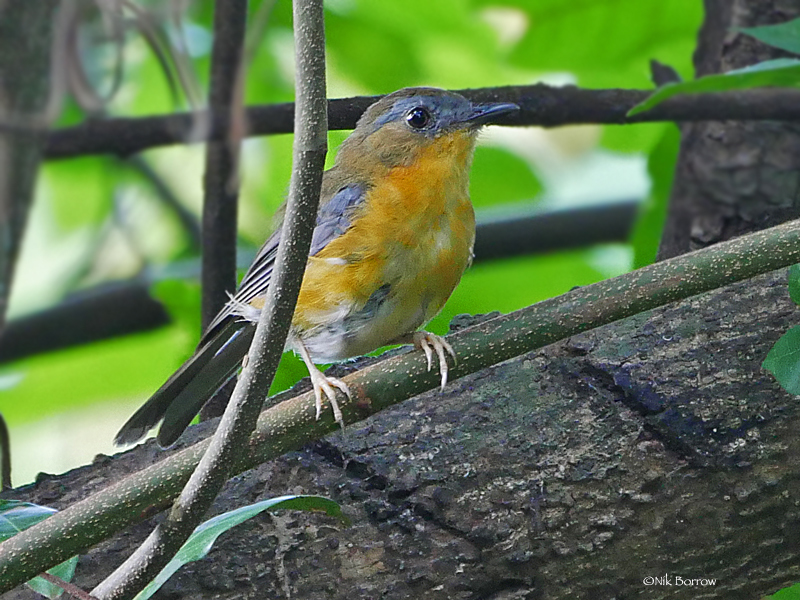
East Coast Akalat (Sheppardia gunningi) East Coast Akalat
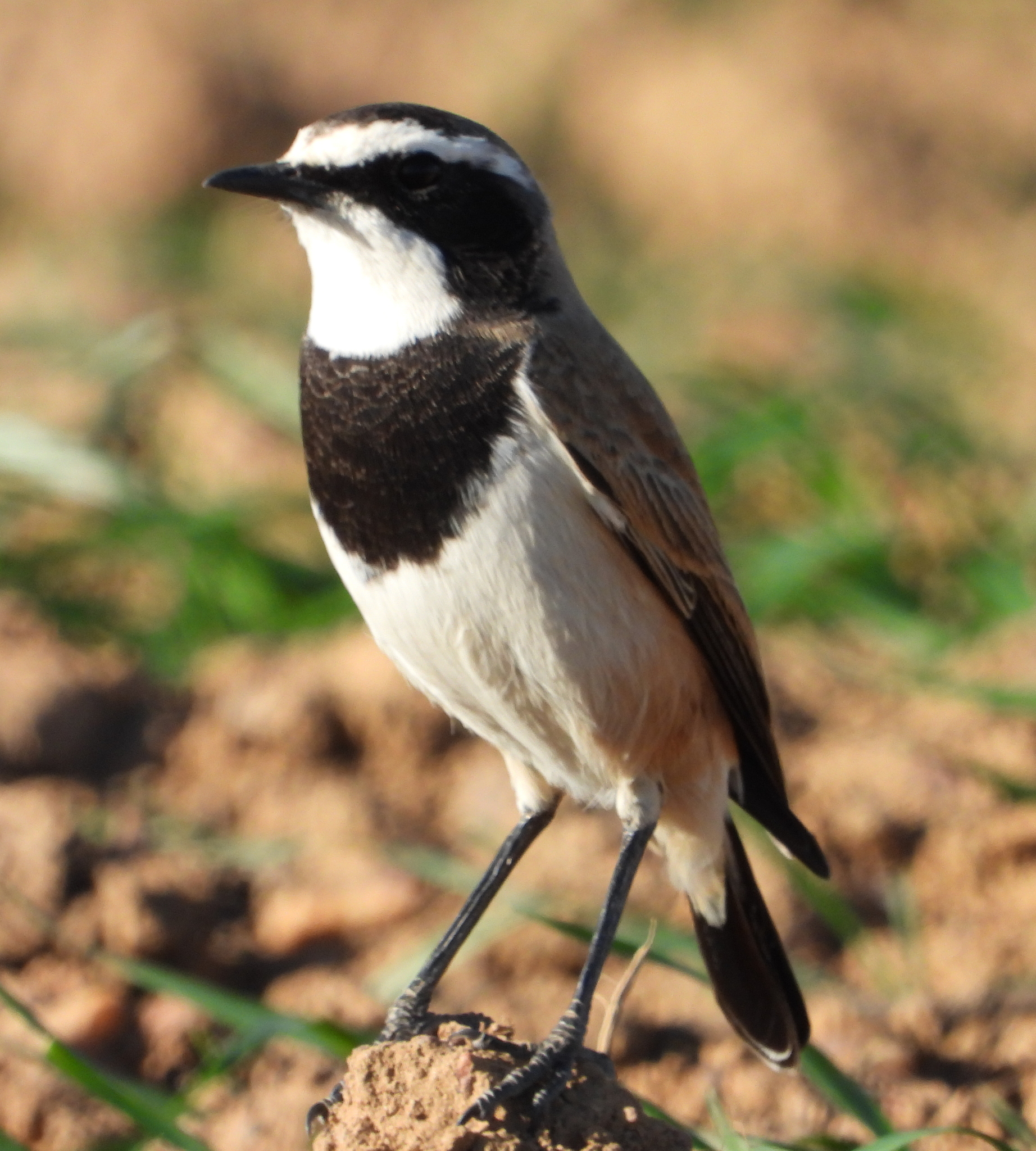
Capped Wheatear (Oenanthe pileata) Capped Wheatear

Media

Loading…

In short

The East Coast Akalat and Capped Wheatear are both small, ground-dwelling birds, but they differ significantly in plumage and habitat preferences. The East Coast Akalat is more elusive, often found in dense forest undergrowth, while the Capped Wheatear prefers open, arid environments.

Identification tips

  1. Look for the black cap and white supercilium on the Capped Wheatear. 2. Observe the habitat: dense forest suggests East Coast Akalat, open savanna suggests Capped Wheatear. 3. Note behavior: secretive and skulking indicates East Coast Akalat, while perching in the open suggests Capped Wheatear.

Size

Both species are small, but the Capped Wheatear is generally more slender and slightly larger than the East Coast Akalat.

Plumage

The East Coast Akalat has a more uniform brown plumage with a subtle rufous wash on the flanks, while the Capped Wheatear is distinguished by its striking black cap, white supercilium, and contrasting black and white pattern on the underparts.

Behaviour

East Coast Akalats are typically shy and secretive, often skulking in dense vegetation. In contrast, Capped Wheatears are more conspicuous, frequently seen perching on rocks or low shrubs in open areas.

Habitat

East Coast Akalats inhabit dense, moist forests and thickets, whereas Capped Wheatears are found in open, dry savannas and grasslands.

Voice

The East Coast Akalat's song is a soft, melodious series of notes, while the Capped Wheatear has a more varied and louder song, often incorporating mimicry.

Submit a better description

Use the same sections as the comparison. Your text is published immediately.

The East Coast Akalat and Capped Wheatear are both small, ground-dwelling birds, but they differ significantly in plumage and habitat preferences. The East Coast Akalat is more elusive, often found in dense forest undergrowth, while the Capped Wheatear prefers open, arid environments.

  1. Look for the black cap and white supercilium on the Capped Wheatear. 2. Observe the habitat: dense forest suggests East Coast Akalat, open savanna suggests Capped Wheatear. 3. Note behavior: secretive and skulking indicates East Coast Akalat, while perching in the open suggests Capped Wheatear.

Both species are small, but the Capped Wheatear is generally more slender and slightly larger than the East Coast Akalat.

The East Coast Akalat has a more uniform brown plumage with a subtle rufous wash on the flanks, while the Capped Wheatear is distinguished by its striking black cap, white supercilium, and contrasting black and white pattern on the underparts.

East Coast Akalats are typically shy and secretive, often skulking in dense vegetation. In contrast, Capped Wheatears are more conspicuous, frequently seen perching on rocks or low shrubs in open areas.

East Coast Akalats inhabit dense, moist forests and thickets, whereas Capped Wheatears are found in open, dry savannas and grasslands.

The East Coast Akalat's song is a soft, melodious series of notes, while the Capped Wheatear has a more varied and louder song, often incorporating mimicry.

Discard your changes?

You have unsaved edits. If you leave now, those changes will be lost.

East Coast Akalat · Capped Wheatear · My Tricky Birds