Birdr

Eastern Wood-Pewee vs Olive Warbler

Contopus virens versus Peucedramus taeniatus

Play a quiz with Eastern Wood-Pewee and Olive Warbler
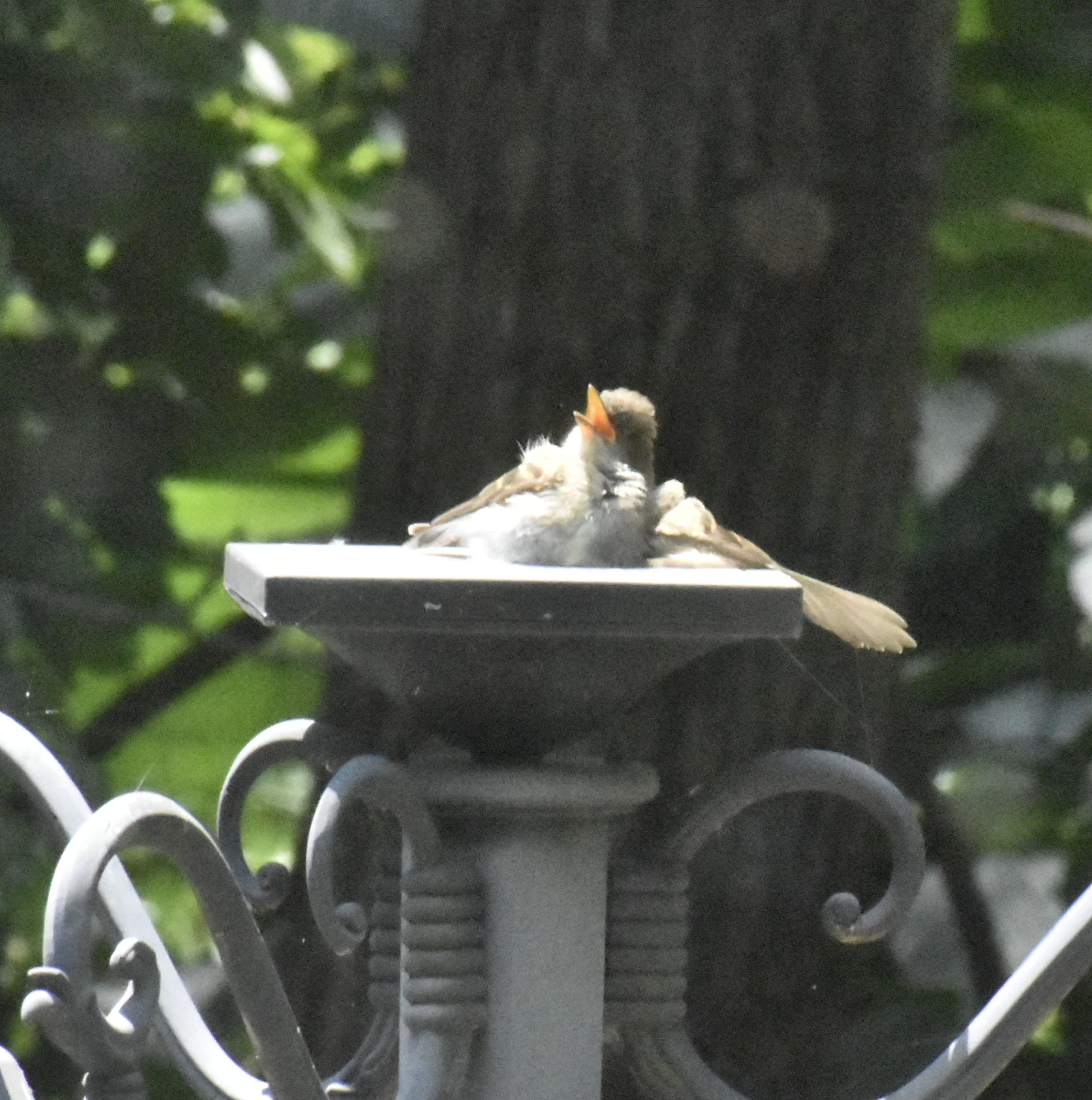
Eastern Wood-Pewee (Contopus virens) Eastern Wood-Pewee
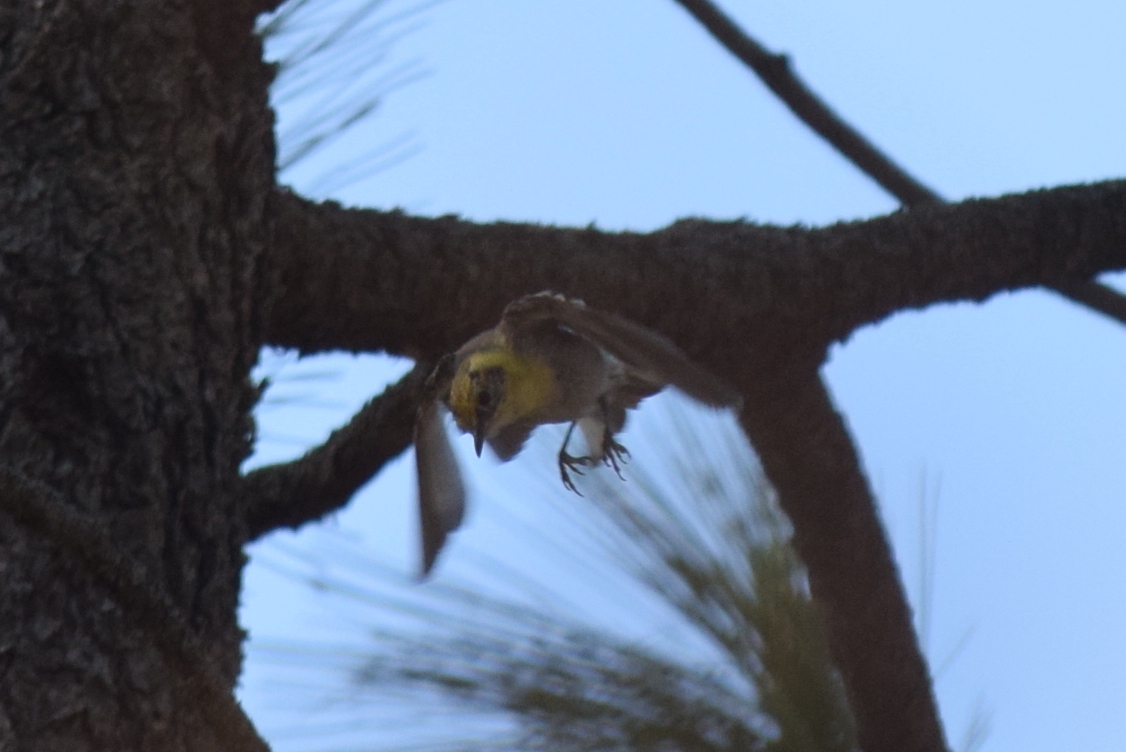
Olive Warbler (Peucedramus taeniatus) Olive Warbler

Media

Loading…

In short

The Eastern Wood-Pewee and Olive Warbler are distinct in both appearance and habitat, with the former being a flycatcher of eastern North American woodlands and the latter a warbler of high-altitude pine forests in Mexico and the southwestern U.S. Key differences include the Eastern Wood-Pewee's drab olive-gray plumage and the Olive Warbler's more colorful appearance, especially in males.

Identification tips

  1. Plumage: Look for the Eastern Wood-Pewee's dull olive-gray tones versus the Olive Warbler's brighter head colors. 2. Habitat: Note the habitat; Eastern Wood-Pewees are found in eastern woodlands, while Olive Warblers are in high-altitude pines. 3. Behavior: Observe foraging behavior; Eastern Wood-Pewees sally for insects, while Olive Warblers move through foliage. 4. Vocalization: Listen for the Eastern Wood-Pewee's 'pee-a-wee' call.

Size

The Eastern Wood-Pewee is slightly larger and more robust than the Olive Warbler, which is smaller and more delicate.

Plumage

The Eastern Wood-Pewee is generally olive-gray with indistinct wing bars, while the Olive Warbler, particularly the male, displays a more vibrant plumage with a distinctive orange or yellow head and gray body.

Behaviour

Eastern Wood-Pewees often perch conspicuously on branches to sally for insects, whereas Olive Warblers are more active in the canopy, often moving quickly through foliage.

Habitat

Eastern Wood-Pewees inhabit a variety of wooded habitats in eastern North America, while Olive Warblers are found in high-altitude pine forests, primarily in Mexico and the southwestern U.S.

Voice

The Eastern Wood-Pewee has a distinctive, plaintive 'pee-a-wee' song, while the Olive Warbler's song is more varied and less distinctive.

Submit a better description

Use the same sections as the comparison. Your text is published immediately.

The Eastern Wood-Pewee and Olive Warbler are distinct in both appearance and habitat, with the former being a flycatcher of eastern North American woodlands and the latter a warbler of high-altitude pine forests in Mexico and the southwestern U.S. Key differences include the Eastern Wood-Pewee's drab olive-gray plumage and the Olive Warbler's more colorful appearance, especially in males.

  1. Plumage: Look for the Eastern Wood-Pewee's dull olive-gray tones versus the Olive Warbler's brighter head colors. 2. Habitat: Note the habitat; Eastern Wood-Pewees are found in eastern woodlands, while Olive Warblers are in high-altitude pines. 3. Behavior: Observe foraging behavior; Eastern Wood-Pewees sally for insects, while Olive Warblers move through foliage. 4. Vocalization: Listen for the Eastern Wood-Pewee's 'pee-a-wee' call.

The Eastern Wood-Pewee is slightly larger and more robust than the Olive Warbler, which is smaller and more delicate.

The Eastern Wood-Pewee is generally olive-gray with indistinct wing bars, while the Olive Warbler, particularly the male, displays a more vibrant plumage with a distinctive orange or yellow head and gray body.

Eastern Wood-Pewees often perch conspicuously on branches to sally for insects, whereas Olive Warblers are more active in the canopy, often moving quickly through foliage.

Eastern Wood-Pewees inhabit a variety of wooded habitats in eastern North America, while Olive Warblers are found in high-altitude pine forests, primarily in Mexico and the southwestern U.S.

The Eastern Wood-Pewee has a distinctive, plaintive 'pee-a-wee' song, while the Olive Warbler's song is more varied and less distinctive.

Discard your changes?

You have unsaved edits. If you leave now, those changes will be lost.

Eastern Wood-Pewee · Olive Warbler · My Tricky Birds