Birdr

Egyptian Nightjar vs Eleonora's Falcon

Caprimulgus aegyptius versus Falco eleonorae

Play a quiz with Egyptian Nightjar and Eleonora's Falcon
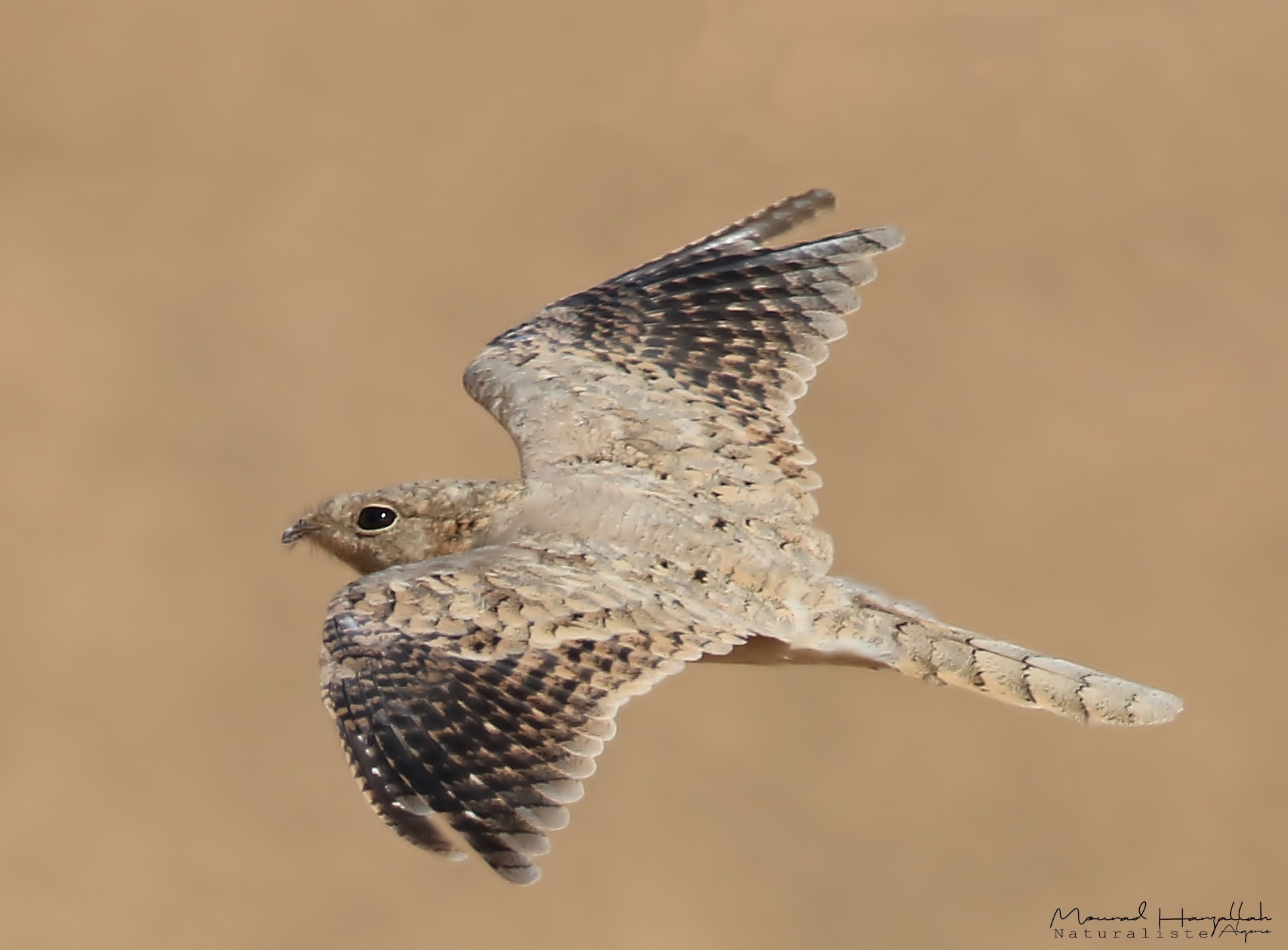
Egyptian Nightjar (Caprimulgus aegyptius) Egyptian Nightjar
Eleonora's Falcon (Falco eleonorae) Eleonora's Falcon

Media

Loading…

In short

The Egyptian Nightjar and Eleonora's Falcon are distinct in both appearance and behavior. The nightjar is a ground-dwelling, cryptically colored bird, while the falcon is a sleek, aerial predator. Key differences include size, plumage, and flight style.

Identification tips

  1. Size and Shape: Eleonora's Falcon is much larger with long, pointed wings and a streamlined body, unlike the smaller, more compact Egyptian Nightjar. 2. Plumage: Look for the nightjar's mottled brown plumage versus the falcon's dark, uniform appearance. 3. Behavior: Note the nightjar's ground-dwelling habits compared to the falcon's aerial hunting. 4. Habitat: Consider the environment; nightjars prefer deserts while falcons are often near coasts. 5. Time of Activity: Nightjars are active at night, falcons during the day.

Size

Eleonora's Falcon is significantly larger than the Egyptian Nightjar, with a wingspan that is more than double.

Plumage

The Egyptian Nightjar has a cryptic, mottled brown plumage suited for camouflage on the ground. In contrast, Eleonora's Falcon has a more uniform, dark plumage, often appearing blackish or dark brown, especially in flight.

Behaviour

The nightjar is nocturnal and often rests on the ground during the day, relying on its camouflage. Eleonora's Falcon is diurnal, often seen soaring or hunting in the air, especially over coastal areas.

Habitat

Egyptian Nightjars are typically found in arid, desert environments, while Eleonora's Falcons are more associated with coastal and island habitats, especially during the breeding season.

Voice

Egyptian Nightjars are known for their soft, repetitive calls at night. Eleonora's Falcons are generally silent but may give sharp calls during the breeding season.

Submit a better description

Use the same sections as the comparison. Your text is published immediately.

The Egyptian Nightjar and Eleonora's Falcon are distinct in both appearance and behavior. The nightjar is a ground-dwelling, cryptically colored bird, while the falcon is a sleek, aerial predator. Key differences include size, plumage, and flight style.

  1. Size and Shape: Eleonora's Falcon is much larger with long, pointed wings and a streamlined body, unlike the smaller, more compact Egyptian Nightjar. 2. Plumage: Look for the nightjar's mottled brown plumage versus the falcon's dark, uniform appearance. 3. Behavior: Note the nightjar's ground-dwelling habits compared to the falcon's aerial hunting. 4. Habitat: Consider the environment; nightjars prefer deserts while falcons are often near coasts. 5. Time of Activity: Nightjars are active at night, falcons during the day.

Eleonora's Falcon is significantly larger than the Egyptian Nightjar, with a wingspan that is more than double.

The Egyptian Nightjar has a cryptic, mottled brown plumage suited for camouflage on the ground. In contrast, Eleonora's Falcon has a more uniform, dark plumage, often appearing blackish or dark brown, especially in flight.

The nightjar is nocturnal and often rests on the ground during the day, relying on its camouflage. Eleonora's Falcon is diurnal, often seen soaring or hunting in the air, especially over coastal areas.

Egyptian Nightjars are typically found in arid, desert environments, while Eleonora's Falcons are more associated with coastal and island habitats, especially during the breeding season.

Egyptian Nightjars are known for their soft, repetitive calls at night. Eleonora's Falcons are generally silent but may give sharp calls during the breeding season.

Discard your changes?

You have unsaved edits. If you leave now, those changes will be lost.

Egyptian Nightjar · Eleonora's Falcon · My Tricky Birds