Birdr

Emperor Goose vs Common Waxbill

Anser canagicus versus Estrilda astrild

Play a quiz with Emperor Goose and Common Waxbill

Emperor Goose (Anser canagicus) Emperor Goose
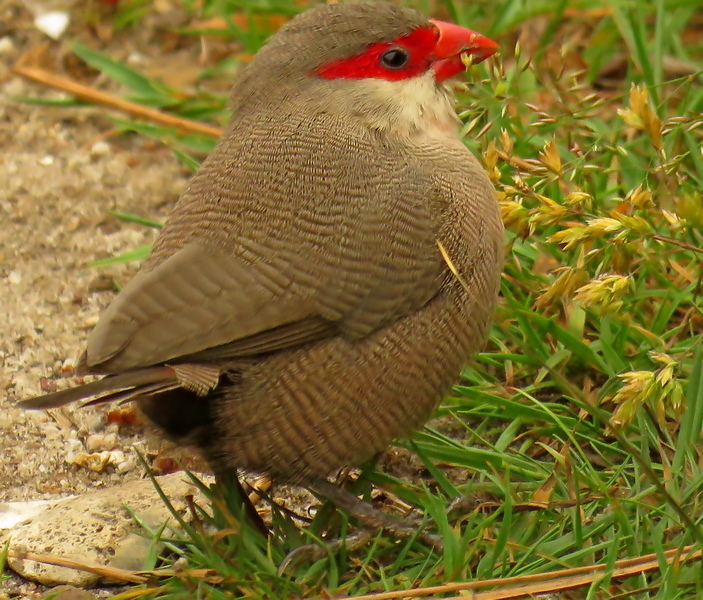
Common Waxbill (Estrilda astrild) Common Waxbill

Media

Loading…

In short

The Emperor Goose and Common Waxbill are vastly different in appearance and habitat, making them easy to distinguish. The Emperor Goose is a large waterfowl with distinctive plumage, while the Common Waxbill is a small, colorful finch-like bird.

Identification tips

  1. Size and Shape: Look for the large size and robust build of the Emperor Goose compared to the small, delicate form of the Common Waxbill. 2. Plumage: Note the white head and neck of the Emperor Goose versus the red bill and gray body of the Common Waxbill. 3. Habitat: Observe the environment; Emperor Geese are near water bodies in northern regions, while Common Waxbills prefer grassy areas in Africa. 4. Behavior: Watch for swimming and flocking behavior in Emperor Geese, contrasting with the agile, flitting movements of Common Waxbills.

Size

The Emperor Goose is significantly larger, about the size of a domestic goose, whereas the Common Waxbill is a small bird, similar in size to a sparrow.

Plumage

The Emperor Goose has a striking white head and neck with a dark body, while the Common Waxbill features a red bill and a gray body with a pinkish wash on the underparts.

Behaviour

Emperor Geese are typically found in flocks near water and are strong swimmers. Common Waxbills are often seen in small flocks, flitting through grasses and low shrubs.

Habitat

Emperor Geese inhabit coastal tundra and wetlands in Alaska and Siberia, while Common Waxbills are found in grasslands and savannas across sub-Saharan Africa.

Voice

Emperor Geese produce low, grunting calls, whereas Common Waxbills have a high-pitched, tinkling song.

Submit a better description

Use the same sections as the comparison. Your text is published immediately.

The Emperor Goose and Common Waxbill are vastly different in appearance and habitat, making them easy to distinguish. The Emperor Goose is a large waterfowl with distinctive plumage, while the Common Waxbill is a small, colorful finch-like bird.

  1. Size and Shape: Look for the large size and robust build of the Emperor Goose compared to the small, delicate form of the Common Waxbill. 2. Plumage: Note the white head and neck of the Emperor Goose versus the red bill and gray body of the Common Waxbill. 3. Habitat: Observe the environment; Emperor Geese are near water bodies in northern regions, while Common Waxbills prefer grassy areas in Africa. 4. Behavior: Watch for swimming and flocking behavior in Emperor Geese, contrasting with the agile, flitting movements of Common Waxbills.

The Emperor Goose is significantly larger, about the size of a domestic goose, whereas the Common Waxbill is a small bird, similar in size to a sparrow.

The Emperor Goose has a striking white head and neck with a dark body, while the Common Waxbill features a red bill and a gray body with a pinkish wash on the underparts.

Emperor Geese are typically found in flocks near water and are strong swimmers. Common Waxbills are often seen in small flocks, flitting through grasses and low shrubs.

Emperor Geese inhabit coastal tundra and wetlands in Alaska and Siberia, while Common Waxbills are found in grasslands and savannas across sub-Saharan Africa.

Emperor Geese produce low, grunting calls, whereas Common Waxbills have a high-pitched, tinkling song.

Discard your changes?

You have unsaved edits. If you leave now, those changes will be lost.

Emperor Goose · Common Waxbill · My Tricky Birds