Birdr

Eurasian Goshawk vs Red Kite

Astur gentilis versus Milvus milvus

Play a quiz with Eurasian Goshawk and Red Kite
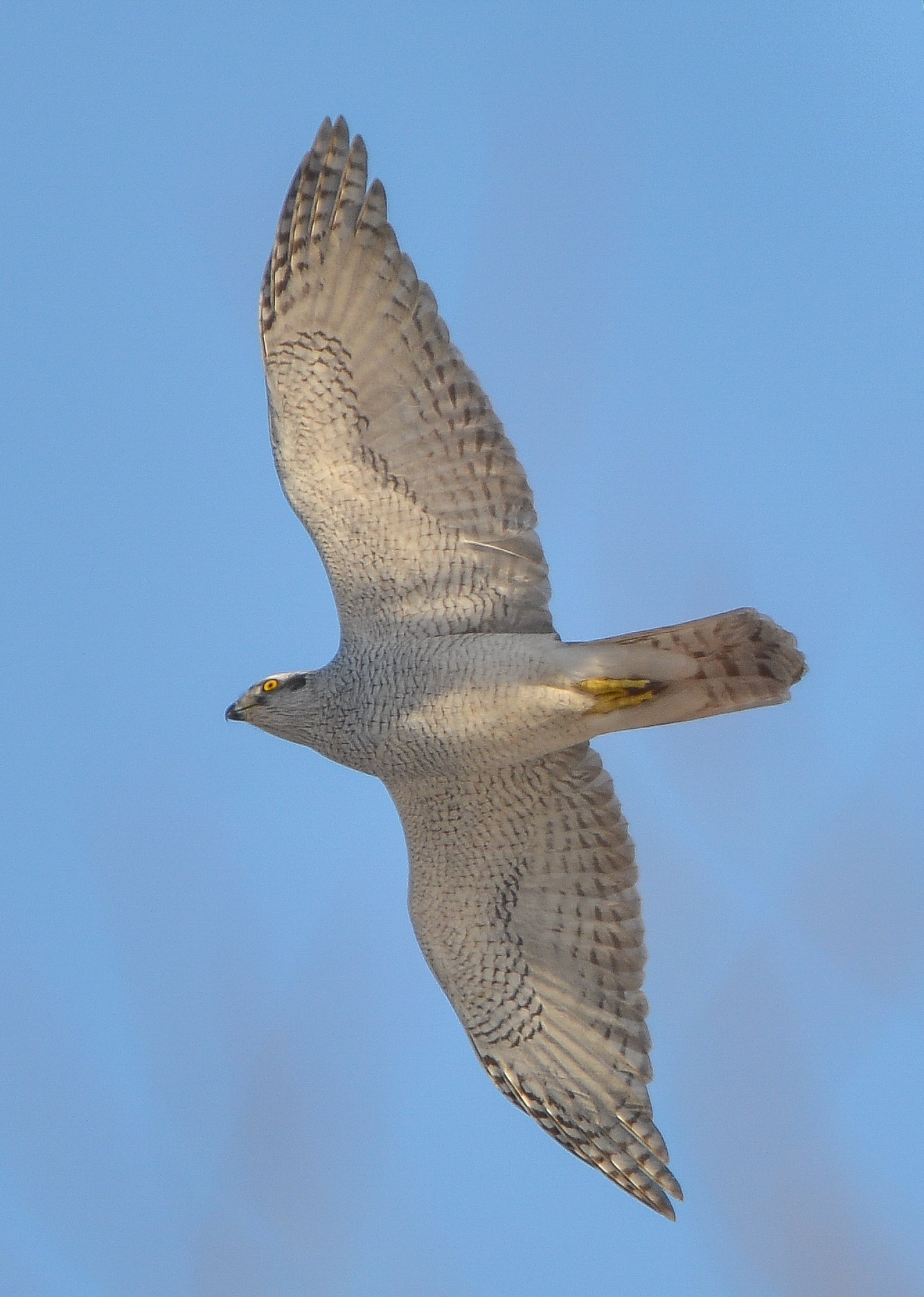
Eurasian Goshawk (Astur gentilis) Eurasian Goshawk
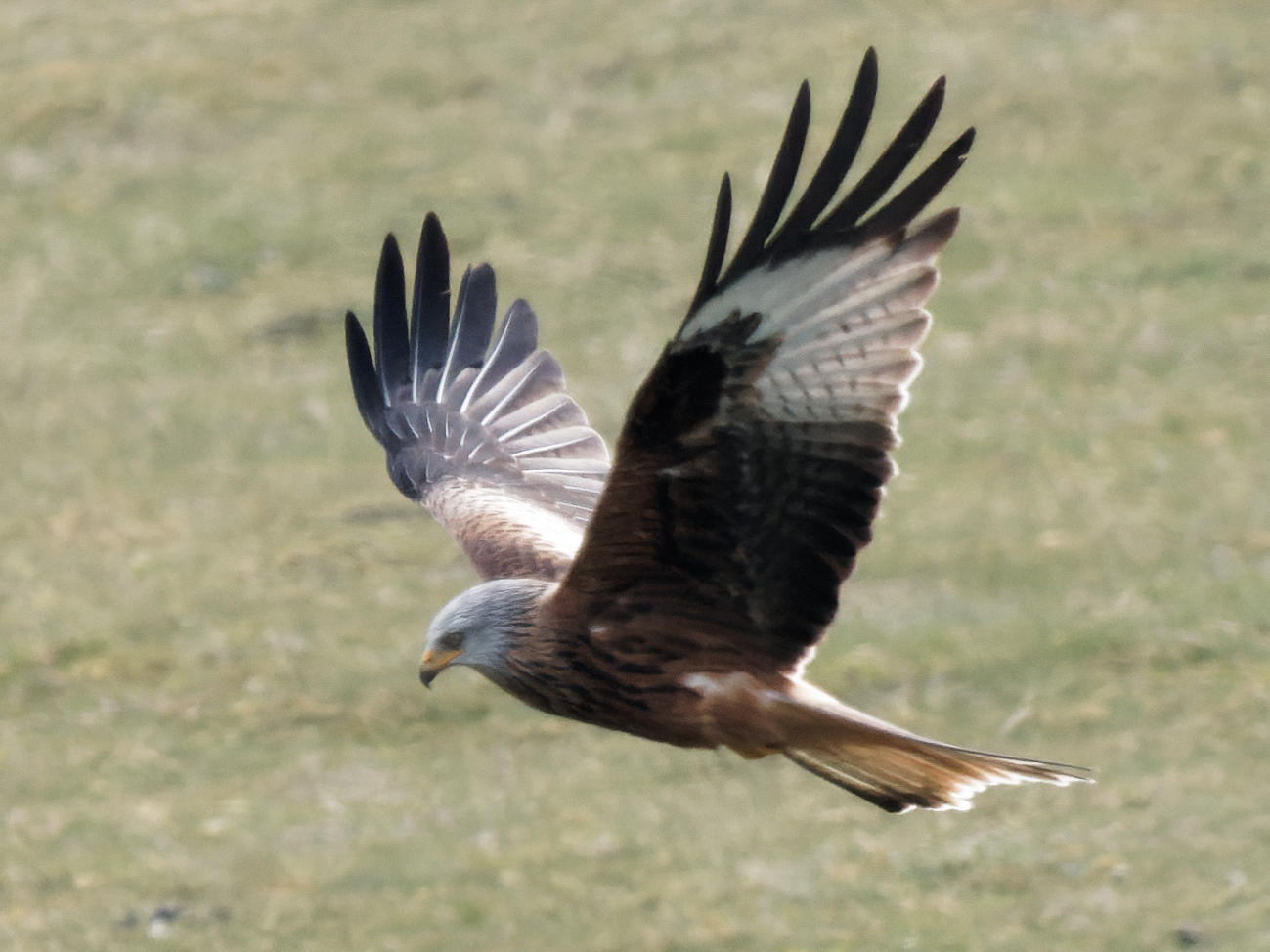
Red Kite (Milvus milvus) Red Kite

Media

Loading…

In short

The Eurasian Goshawk and Red Kite can be distinguished by their flight silhouette and tail shape. The Goshawk has a broad, rounded tail and a powerful, direct flight, while the Red Kite features a deeply forked tail and a more buoyant, gliding flight style. Both species are found in overlapping habitats but differ in their hunting techniques and prey preferences.

Identification tips

  1. Look for the tail shape: Goshawk has a rounded tail, Red Kite has a deeply forked tail. 2. Observe the flight style: Goshawk flies with powerful wingbeats, Red Kite glides and soars. 3. Note the habitat: Goshawk in forests, Red Kite in open areas. 4. Check plumage: Goshawk is gray with a white supercilium, Red Kite is rufous with a pale head.

Size

The Eurasian Goshawk is generally more robust with a shorter wingspan compared to the more slender and larger-winged Red Kite.

Plumage

The Goshawk has a more uniform gray plumage with a distinctive white supercilium, whereas the Red Kite is more rufous overall with a whitish-gray head and dark streaks.

Behaviour

The Goshawk is an agile hunter, often seen flying through forests, while the Red Kite is more likely to be seen soaring over open areas, often scavenging.

Habitat

Both species occupy a range of habitats, but the Goshawk prefers dense forests, whereas the Red Kite is more common in open woodlands, pastures, and farmlands.

Voice

Vocalizations are not the most reliable field marks for these species, but the Goshawk's calls are typically more piercing and aggressive compared to the more whistling calls of the Red Kite.

Submit a better description

Use the same sections as the comparison. Your text is published immediately.

The Eurasian Goshawk and Red Kite can be distinguished by their flight silhouette and tail shape. The Goshawk has a broad, rounded tail and a powerful, direct flight, while the Red Kite features a deeply forked tail and a more buoyant, gliding flight style. Both species are found in overlapping habitats but differ in their hunting techniques and prey preferences.

  1. Look for the tail shape: Goshawk has a rounded tail, Red Kite has a deeply forked tail. 2. Observe the flight style: Goshawk flies with powerful wingbeats, Red Kite glides and soars. 3. Note the habitat: Goshawk in forests, Red Kite in open areas. 4. Check plumage: Goshawk is gray with a white supercilium, Red Kite is rufous with a pale head.

The Eurasian Goshawk is generally more robust with a shorter wingspan compared to the more slender and larger-winged Red Kite.

The Goshawk has a more uniform gray plumage with a distinctive white supercilium, whereas the Red Kite is more rufous overall with a whitish-gray head and dark streaks.

The Goshawk is an agile hunter, often seen flying through forests, while the Red Kite is more likely to be seen soaring over open areas, often scavenging.

Both species occupy a range of habitats, but the Goshawk prefers dense forests, whereas the Red Kite is more common in open woodlands, pastures, and farmlands.

Vocalizations are not the most reliable field marks for these species, but the Goshawk's calls are typically more piercing and aggressive compared to the more whistling calls of the Red Kite.

Discard your changes?

You have unsaved edits. If you leave now, those changes will be lost.

Eurasian Goshawk · Red Kite · My Tricky Birds