
Eurasian Nightjar vs Common Nightingale
Caprimulgus europaeus versus Luscinia megarhynchos
Play a quiz with Eurasian Nightjar and Common Nightingale
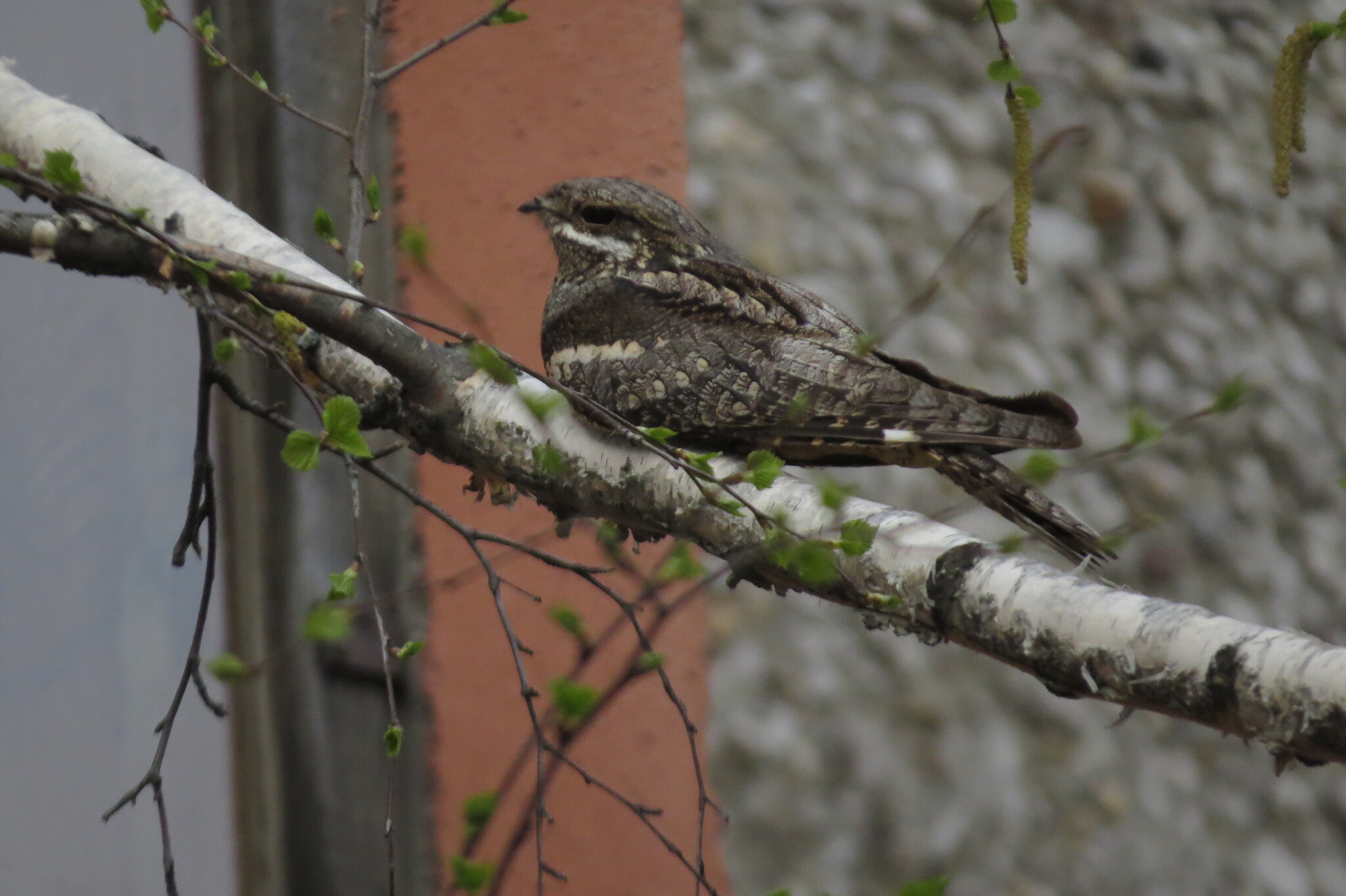 Eurasian Nightjar
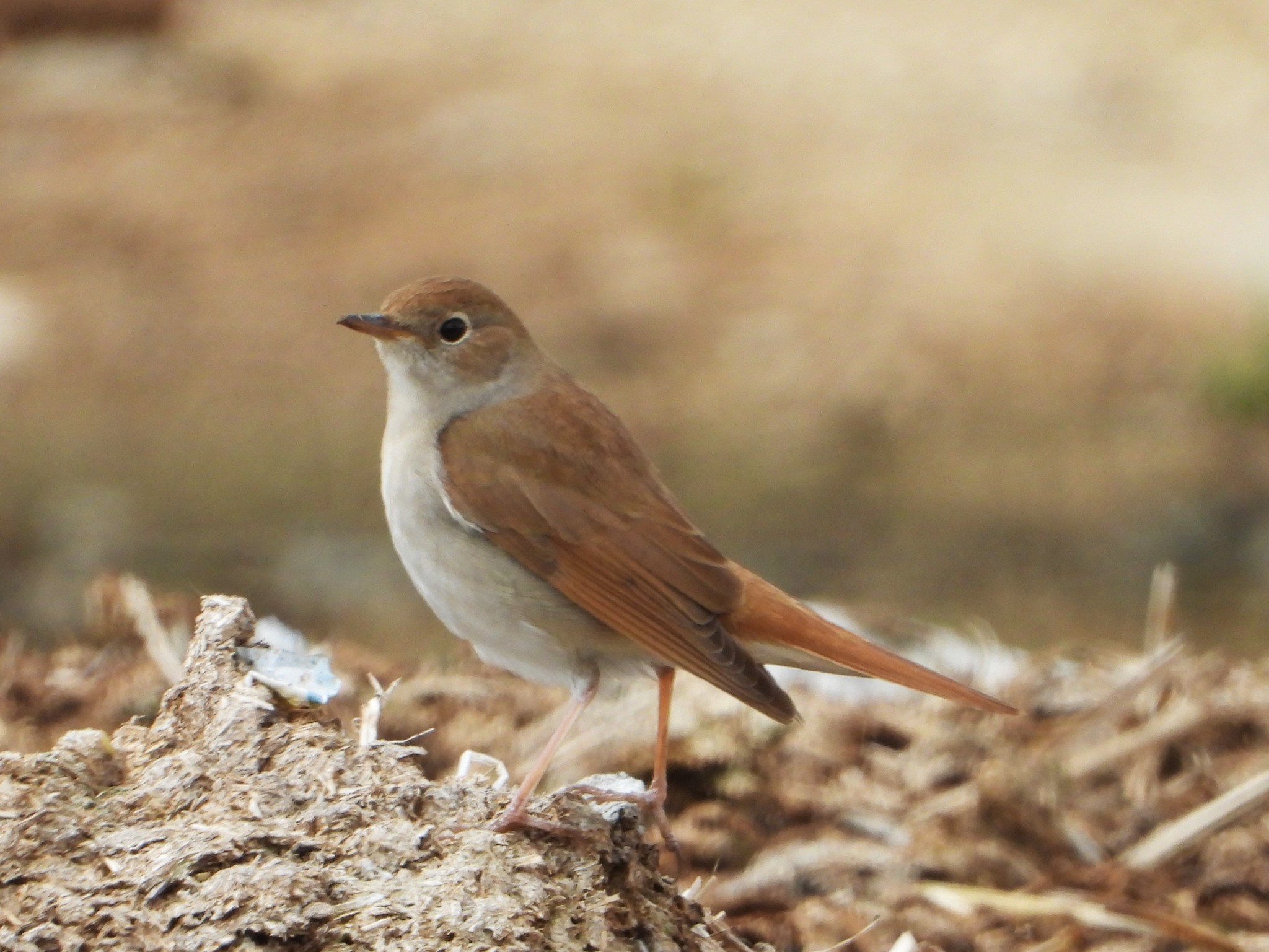 Common Nightingale
In short
The Eurasian Nightjar and Common Nightingale are distinct in both appearance and behavior. The nightjar is a cryptic, ground-nesting bird with a mottled plumage and white patches on the male's wings and tail, while the nightingale is a plain brown bird with a rusty tail, often heard but less often seen in dense cover.
Identification tips
1. Time of Activity: Nightjars are active at dusk and night, while nightingales sing during the day. 2. Plumage: Look for white patches on the wings and tail of male nightjars; nightingales lack these and have a rusty tail. 3. Habitat: Nightjars are in open areas; nightingales are in dense cover. 4. Song: Listen for the nightjar's churring versus the nightingale's melodious song.
Size
The Eurasian Nightjar is larger and more robust than the Common Nightingale, with a wingspan that reflects its aerial lifestyle.
Plumage
Eurasian Nightjars have cryptic, mottled plumage with males showing white patches on wings and tail, whereas Common Nightingales have plain brown upperparts, pale underparts, and a rusty brown tail.
Behaviour
Eurasian Nightjars are nocturnal and often seen in flight at dusk, while Common Nightingales are more often heard than seen, singing from deep cover during the day.
Habitat
Eurasian Nightjars prefer open habitats like heathlands and clearings, whereas Common Nightingales are found in dense underbrush and thickets.
Voice
The Eurasian Nightjar is known for its prolonged churring song at dusk, while the Common Nightingale is famous for its rich, melodious song, often delivered from deep cover.