
Eurasian Nightjar vs Little Sparrowhawk
Caprimulgus europaeus versus Tachyspiza minulla
Play a quiz with Eurasian Nightjar and Little Sparrowhawk
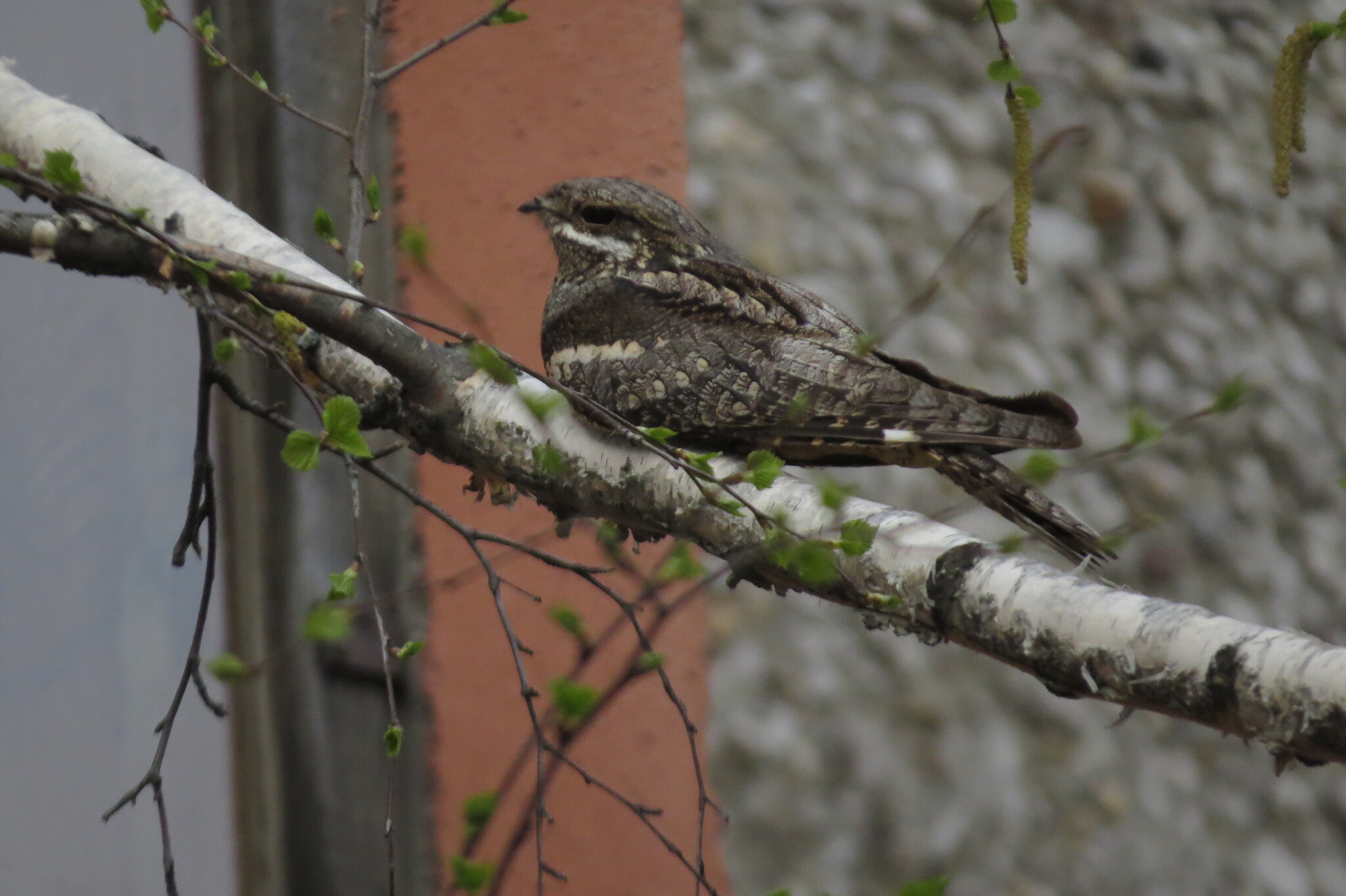 Eurasian Nightjar
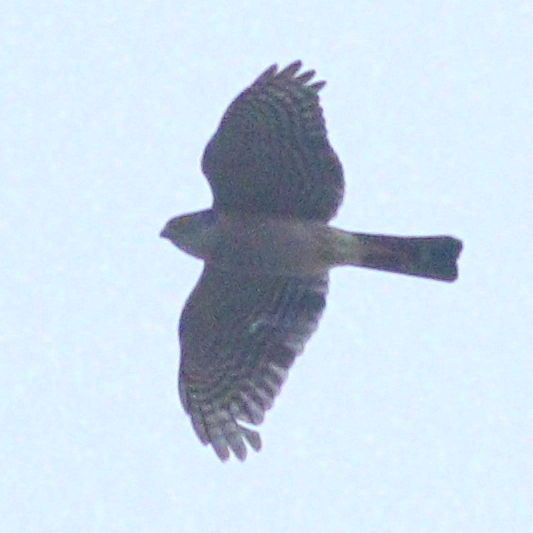 Little Sparrowhawk
In short
The Eurasian Nightjar and Little Sparrowhawk are distinct in both appearance and behavior, making them relatively easy to differentiate. The nightjar is a cryptically plumaged nocturnal bird, while the sparrowhawk is a small diurnal raptor. Key differences include their size, plumage patterns, and activity periods.
Identification tips
- Time of Day: Nightjars are active at dusk and night, while sparrowhawks are active during the day.
- Plumage: Look for white patches on the wings and tail of male nightjars.
- Size and Shape: Sparrowhawks have a more compact, raptor-like shape compared to the slender nightjar.
- Habitat: Nightjars are often on the ground in open areas, sparrowhawks are in trees or flying in wooded areas.
Size
The Eurasian Nightjar is medium-sized for a nightjar, while the Little Sparrowhawk is a small raptor.
Plumage
Eurasian Nightjar has cryptic, mottled plumage with males showing white patches on the wings and tail, absent in females. Little Sparrowhawk has a more uniform plumage with a slate-gray back and barred underparts.
Behaviour
Eurasian Nightjar is nocturnal, often seen at dusk or dawn, and relies on camouflage during the day. Little Sparrowhawk is diurnal, actively hunting during the day.
Habitat
Eurasian Nightjar prefers open woodlands and heathlands, often on the ground. Little Sparrowhawk is found in wooded areas and forest edges.
Voice
Eurasian Nightjar is known for its prolonged churring song at dusk. Little Sparrowhawk is generally silent but may emit high-pitched calls.