
Eurasian Nightjar vs Montagu's Harrier
Caprimulgus europaeus versus Circus pygargus
Play a quiz with Eurasian Nightjar and Montagu's Harrier
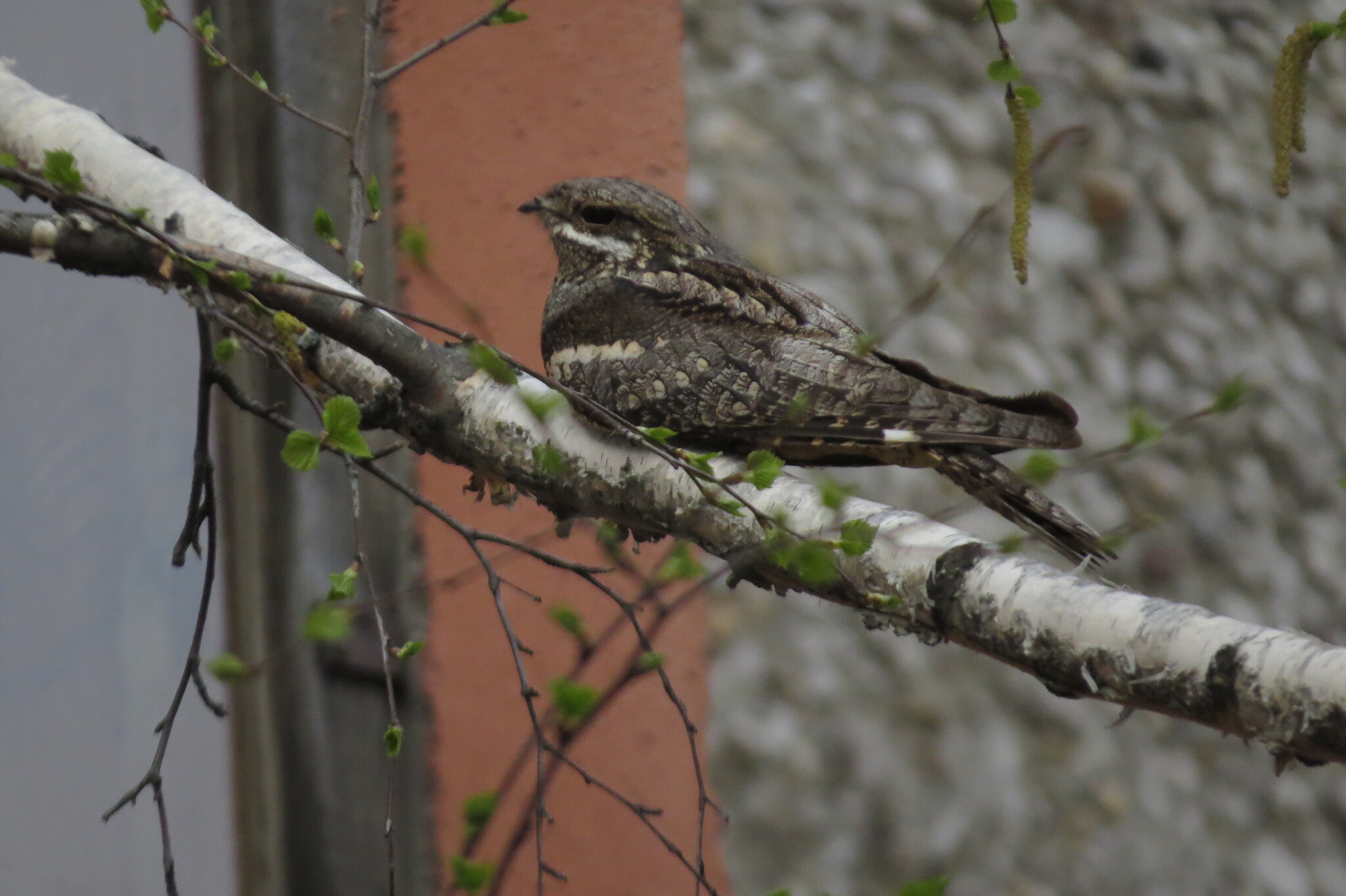 Eurasian Nightjar
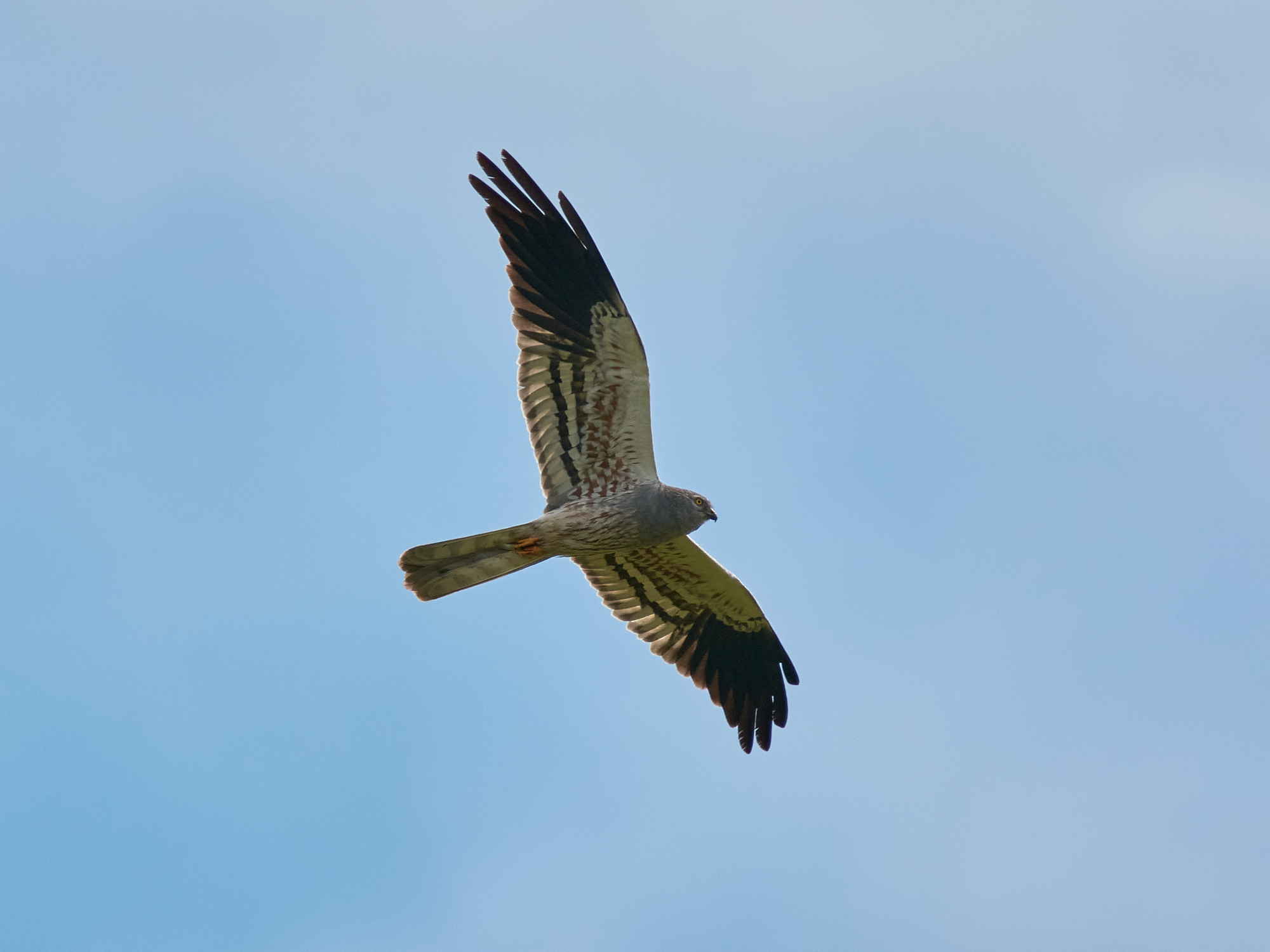 Montagu's Harrier
In short
Montagu's Harrier (Circus pygargus) and the Eurasian Nightjar (Caprimulgus europaeus) are two distinct avian species that can be differentiated by their size, plumage coloration, behavior, habitat preferences, and vocalizations. The Montagu's Harrier is a raptor known for its graceful flight and hunting behavior in open fields, while the Eurasian Nightjar is a nocturnal bird renowned for its cryptic plumage and distinctive churring calls, primarily active during dusk and dawn.
Identification tips
- Birds of the World Similar-Species Diagnostics:
-
Montagu's Harrier is often confused with other harrier species, but it can be distinguished by its longer wings and tail along with its distinctive coloration. The males are particularly identifiable due to their gray plumage and black wing tips. The Eurasian Nightjar, on the other hand, is unique in its highly cryptic plumage and characteristic churring calls, which are absent in the Montagu's Harrier.
-
AI Field Diagnostics:
- Size and Shape: Look for the larger size and more elongated body of the Montagu's Harrier compared to the compact, stocky form of the Eurasian Nightjar.
- Plumage Patterns: Pay attention to the color patterns; the Montagu's Harrier's contrasting gray and brown colors are starkly different from the cryptic brown and gray patterns of the Nightjar.
- Flight Behavior: Observe the flight style; the Montagu's Harrier will glide and hover in open areas while hunting, whereas the Nightjar will display a fluttering flight style, more erratic and often near the ground.
- Habitat: Consider the environment; if you’re in open farmland or grasslands, it’s more likely to be a Montagu's Harrier. In contrast, if you're in a wooded area or scrubland, the likelihood of encountering a Eurasian Nightjar increases.
- Vocalizations: Listen for the churring song of the Nightjar, which is a prominent feature during its active hours, unlike the more subdued vocalizations of the Harrier.
Being aware of these distinguishing features will greatly assist birdwatchers in identifying and appreciating these two fascinating species.
Size
- Montagu's Harrier: This medium-sized raptor measures approximately 40-50 cm in length, with a wingspan ranging from 110-120 cm. Males are generally smaller than females.
- Eurasian Nightjar: This species is slightly smaller, measuring about 24-28 cm in length, with a wingspan of approximately 50-60 cm. Its compact body shape is characteristic of nightjars.
Plumage
- Montagu's Harrier: Males exhibit a striking gray plumage with a black wingtips and a white rump, while females are more mottled brown with a lighter underbelly. Both sexes have long, pointed wings and a long tail.
- Eurasian Nightjar: This bird has highly cryptic plumage that blends seamlessly into its surroundings, primarily featuring shades of brown, gray, and buff, with intricate patterns. Males possess white patches in their primaries and tail, which are absent in females.
Behaviour
- Montagu's Harrier: Known for its graceful, low flight over open fields as it hunts for small mammals and birds. It displays a characteristic hunting behavior, often gliding and hovering to spot prey.
- Eurasian Nightjar: A nocturnal species primarily active at dusk and dawn, it exhibits a distinctive foraging flight pattern characterized by erratic, fluttering movements as it catches insects in mid-air.
Habitat
- Montagu's Harrier: Prefers open grasslands, farmland, and wetlands for nesting and hunting, often found in lowland areas across Europe and parts of Asia.
- Eurasian Nightjar: Typically found in open woodlands, heathlands, and scrublands, it prefers environments that provide ample cover for nesting directly on the ground.
Voice
- Montagu's Harrier: Generally silent, vocalizations are rare but may include soft calls during courtship.
- Eurasian Nightjar: Famous for its prolonged churring song that changes pitch frequently, which can be heard at dusk. This vocalization is a key identification feature.