
Eurasian Oystercatcher vs Common Magpie
Haematopus ostralegus versus Pica pica
Play a quiz with Eurasian Oystercatcher and Common Magpie
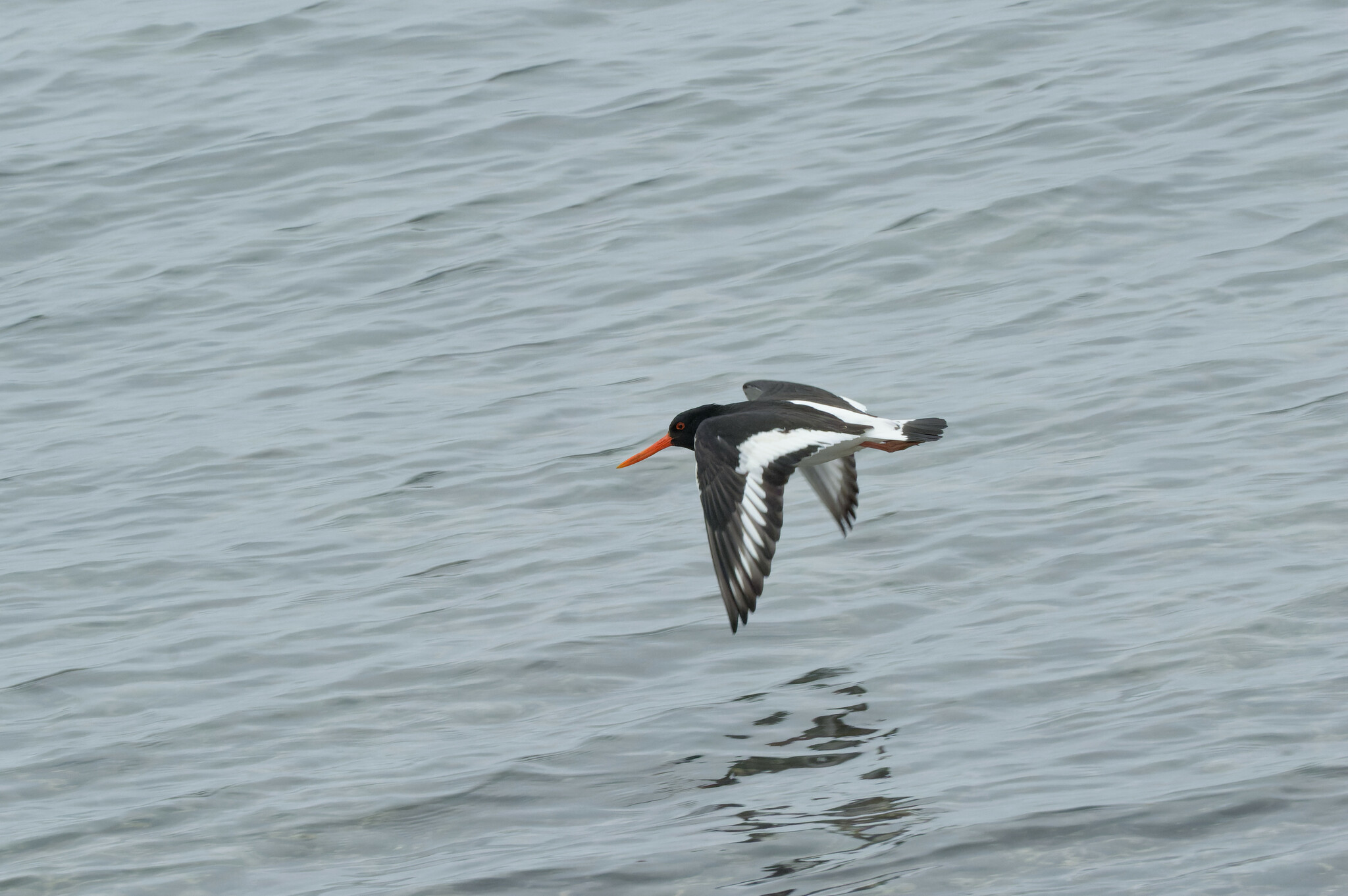 Eurasian Oystercatcher
 Common Magpie
In short
The Eurasian Oystercatcher and Common Magpie are unlikely to be confused due to their distinct appearances and behaviors. The Oystercatcher is a wader with a striking black and white plumage and a long, bright orange bill, while the Magpie is a passerine with a glossy black and white body and a long tail.
Identification tips
- Bill color and shape: Oystercatcher's long, bright orange bill is a key feature, contrasting with the Magpie's shorter, black bill.
- Tail length: Magpies have a long, graduated tail, unlike the shorter tail of the Oystercatcher.
- Habitat preference: Consider the environment; Oystercatchers are coastal, while Magpies are often in urban or open areas.
- Behavior: Look for feeding behavior; Oystercatchers probe for shellfish, Magpies are more likely to be seen scavenging or predating.
Size
The Eurasian Oystercatcher is larger and more robust than the Common Magpie, with a bulkier body and longer legs.
Plumage
The Oystercatcher has a distinctive black head and back with a white underbelly and a bright orange bill. The Magpie has a glossy black and white plumage with iridescent blue-green hues on the wings and tail.
Behaviour
Oystercatchers are often seen probing mudflats or rocky shores for shellfish, while Magpies are more terrestrial, often seen in urban areas and known for their scavenging and predatory behavior.
Habitat
Oystercatchers are typically found along coastlines, estuaries, and mudflats. Magpies are more versatile, commonly found in urban areas, parks, and open countryside.
Voice
The Oystercatcher has a loud, piping call, often heard in coastal areas. The Magpie has a variety of harsh, chattering calls and is known for its complex vocalizations.