
Eurasian Oystercatcher vs South Island Oystercatcher
Haematopus ostralegus versus Haematopus finschi
Play a quiz with Eurasian Oystercatcher and South Island Oystercatcher
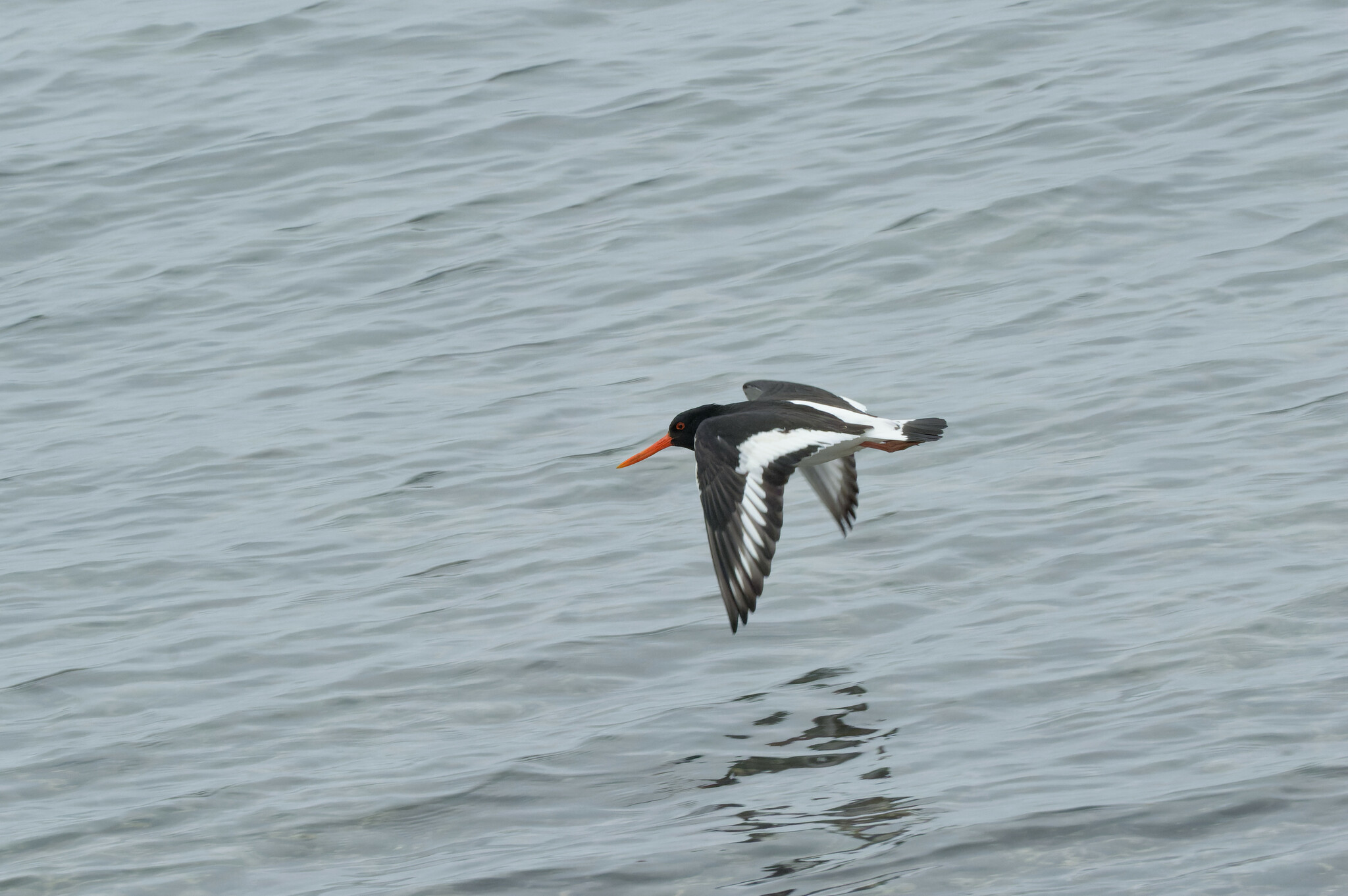 Eurasian Oystercatcher
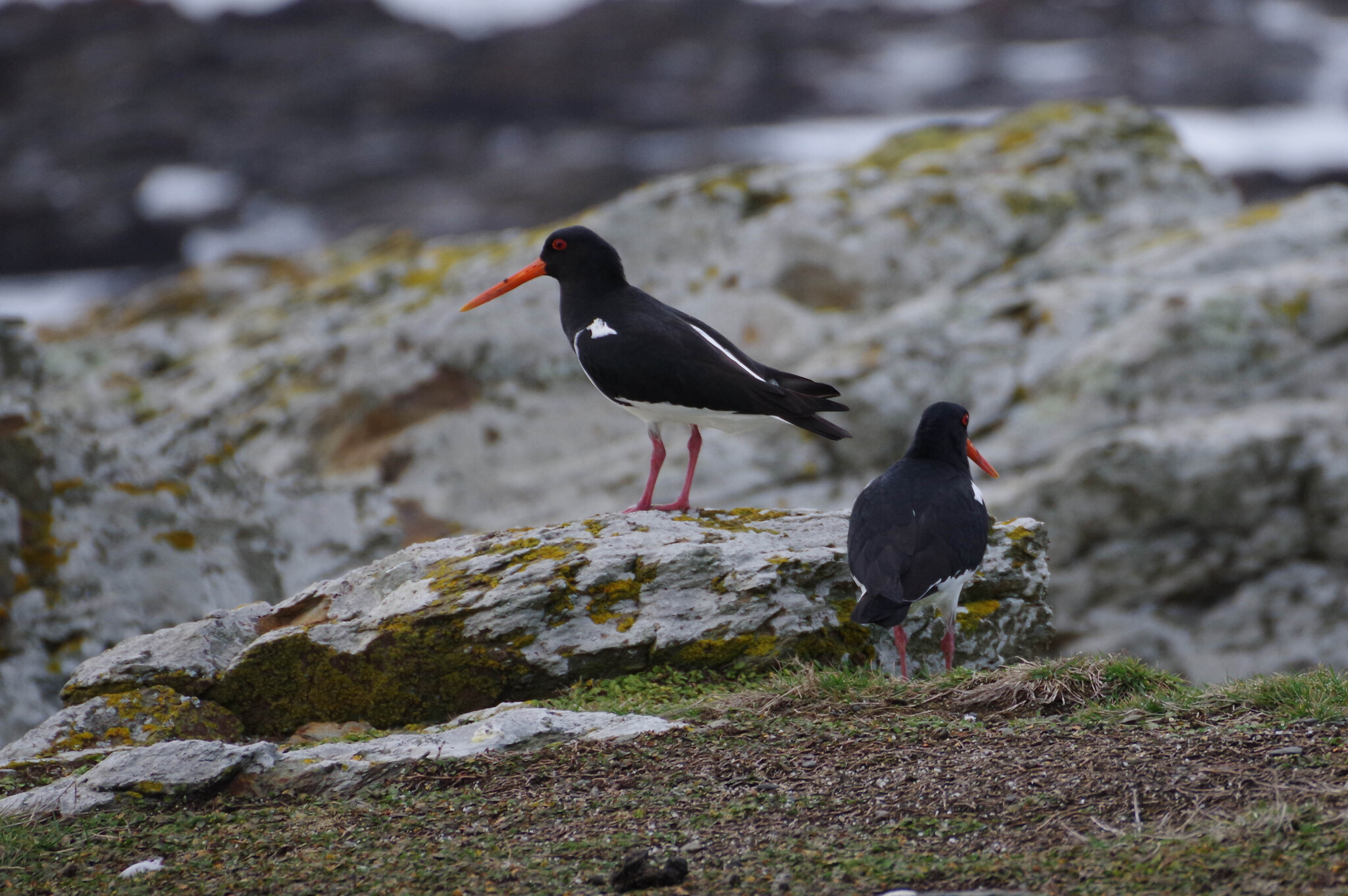 South Island Oystercatcher
In short
The Eurasian Oystercatcher and the South Island Oystercatcher are similar in appearance, both being black-and-white waders with long, orange bills. Key differences lie in their geographic distribution and subtle plumage variations.
Identification tips
- Location: Check the geographic range; Eurasian in Europe/Asia, South Island in New Zealand. 2. Plumage: Look for the extent of white on the wings and rump. 3. Habitat: Consider the habitat type and location as a clue. 4. Calls: Listen for regional call variations if possible.
Size
Both species are similar in size, with robust bodies and long legs typical of oystercatchers.
Plumage
Eurasian Oystercatchers typically have a more extensive white wingbar and a white rump, while the South Island Oystercatcher may show a more uniform black upperwing and back.
Behaviour
Both species exhibit similar foraging behaviors, often seen probing mudflats or sandy shores for mollusks.
Habitat
Eurasian Oystercatchers are found across Europe and Asia, favoring coastal and inland wetlands, while South Island Oystercatchers are restricted to New Zealand, primarily on South Island's coasts.
Voice
Both species have similar loud, piping calls, though regional variations may exist. Specific vocal differences are not well-documented.
Eurasian Oystercatcher · South Island Oystercatcher · My Tricky Birds