Birdr

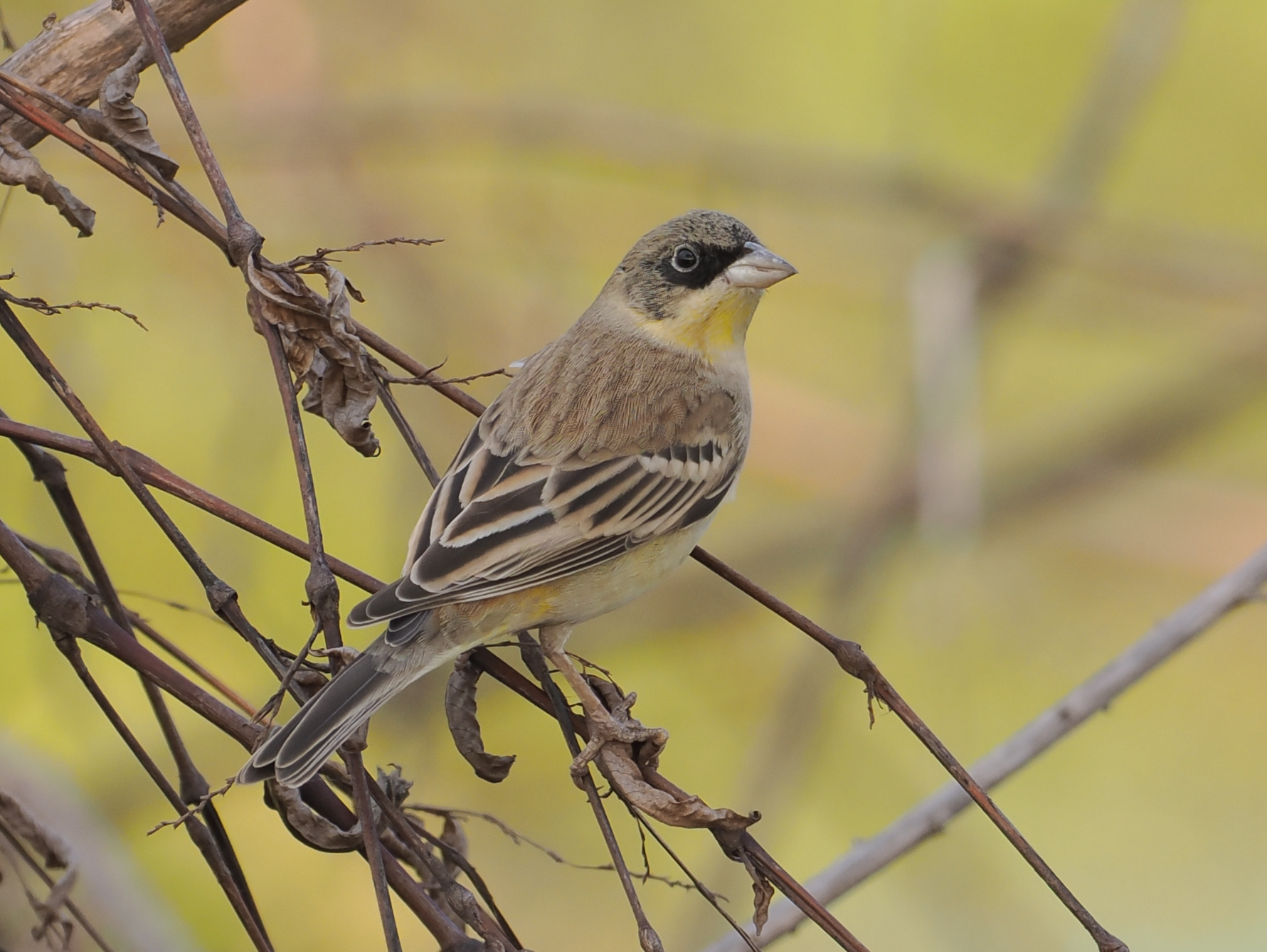
Eurasian Siskin vs Black-headed Bunting

Spinus spinus versus Emberiza melanocephala

Play a quiz with Eurasian Siskin and Black-headed Bunting
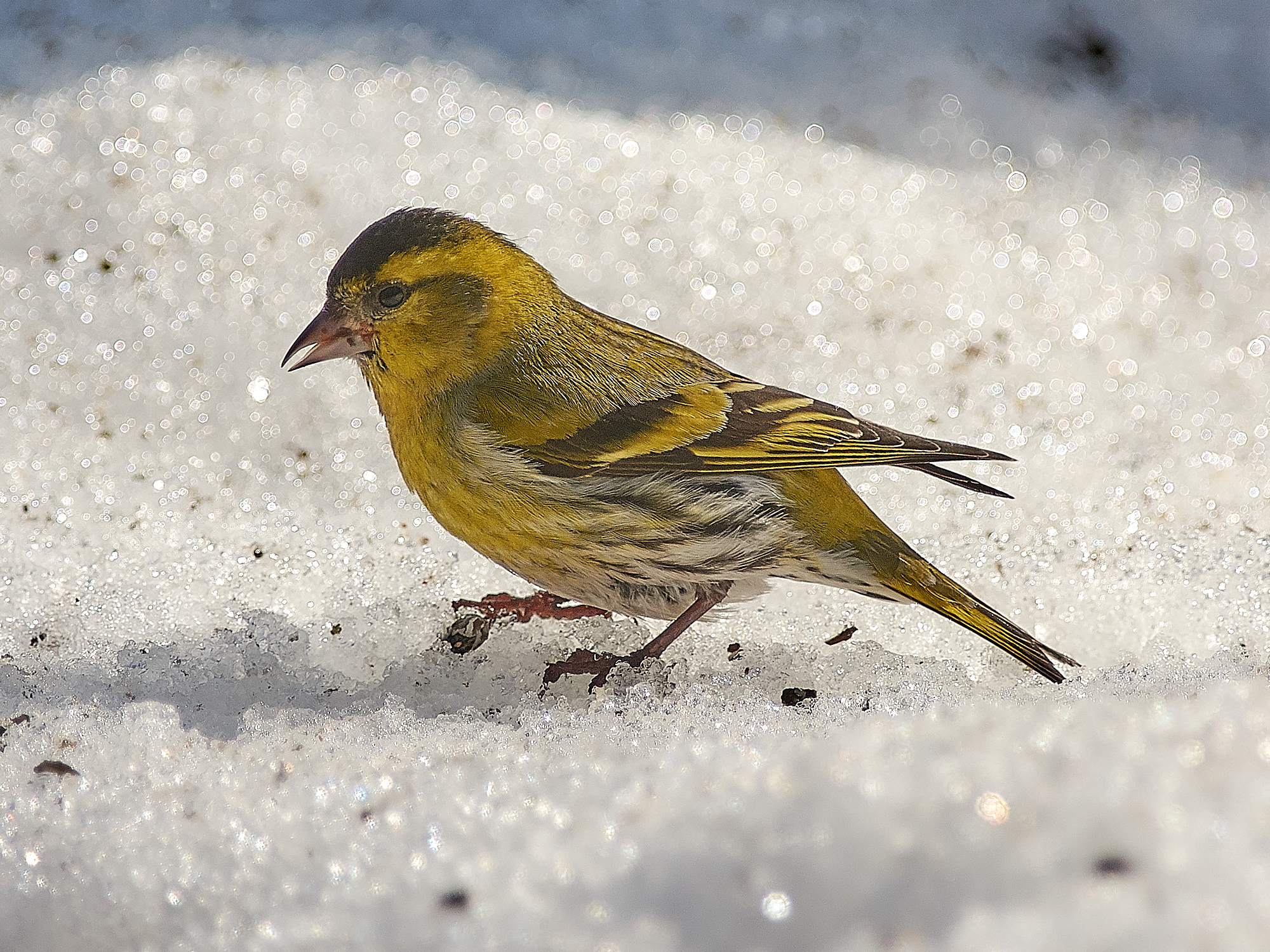
Eurasian Siskin (Spinus spinus) Eurasian Siskin
Black-headed Bunting (Emberiza melanocephala) Black-headed Bunting

Media

Loading…

In short

The Eurasian Siskin and Black-headed Bunting are distinguishable primarily by their head coloration and overall plumage. The Siskin has a distinctive yellow and black pattern, while the Bunting features a striking black head and yellow body. These species differ significantly in both appearance and habitat preferences.

Identification tips

  1. Head Coloration: Look for the black cap on the Siskin versus the black head on the male Bunting. 2. Body Color: Note the Siskin's yellow-green body compared to the Bunting's bright yellow. 3. Size and Shape: Siskins are smaller and more compact. 4. Habitat: Check the surroundings; Siskins are in woodlands, Buntings in open fields. 5. Vocalization: Listen for the Siskin's twittering versus the Bunting's whistling song.

Size

The Eurasian Siskin is smaller and more compact compared to the larger Black-headed Bunting.

Plumage

The Eurasian Siskin has a yellow-green body with black wings and tail, and a distinctive black cap in males. In contrast, the Black-headed Bunting has a bright yellow body with a black head in males, and females are more subdued with brownish tones.

Behaviour

Eurasian Siskins are often seen in flocks, especially during winter, and are agile feeders. Black-headed Buntings are more solitary or found in pairs during the breeding season.

Habitat

Eurasian Siskins prefer coniferous and mixed woodlands, while Black-headed Buntings are typically found in open country with scattered bushes and trees, often in agricultural areas.

Voice

The Eurasian Siskin has a series of high-pitched, twittering calls, while the Black-headed Bunting's song is a series of melodious, whistling notes.

Submit a better description

Use the same sections as the comparison. Your text is published immediately.

The Eurasian Siskin and Black-headed Bunting are distinguishable primarily by their head coloration and overall plumage. The Siskin has a distinctive yellow and black pattern, while the Bunting features a striking black head and yellow body. These species differ significantly in both appearance and habitat preferences.

  1. Head Coloration: Look for the black cap on the Siskin versus the black head on the male Bunting. 2. Body Color: Note the Siskin's yellow-green body compared to the Bunting's bright yellow. 3. Size and Shape: Siskins are smaller and more compact. 4. Habitat: Check the surroundings; Siskins are in woodlands, Buntings in open fields. 5. Vocalization: Listen for the Siskin's twittering versus the Bunting's whistling song.

The Eurasian Siskin is smaller and more compact compared to the larger Black-headed Bunting.

The Eurasian Siskin has a yellow-green body with black wings and tail, and a distinctive black cap in males. In contrast, the Black-headed Bunting has a bright yellow body with a black head in males, and females are more subdued with brownish tones.

Eurasian Siskins are often seen in flocks, especially during winter, and are agile feeders. Black-headed Buntings are more solitary or found in pairs during the breeding season.

Eurasian Siskins prefer coniferous and mixed woodlands, while Black-headed Buntings are typically found in open country with scattered bushes and trees, often in agricultural areas.

The Eurasian Siskin has a series of high-pitched, twittering calls, while the Black-headed Bunting's song is a series of melodious, whistling notes.

Discard your changes?

You have unsaved edits. If you leave now, those changes will be lost.

Eurasian Siskin · Black-headed Bunting · My Tricky Birds