
Birdr

Eurasian Siskin vs Common Reed Bunting

Spinus spinus versus Emberiza schoeniclus

Play a quiz with Eurasian Siskin and Common Reed Bunting
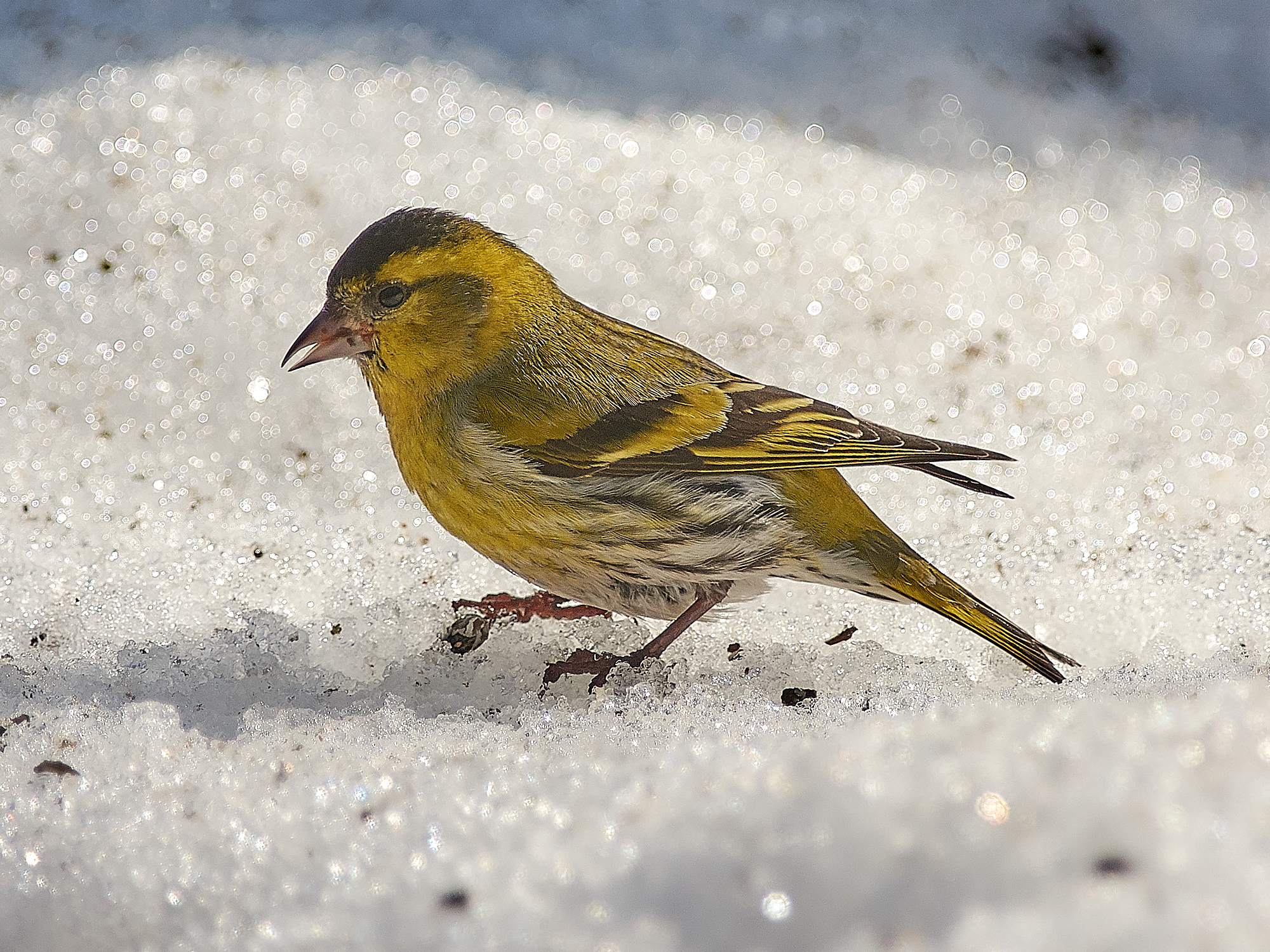
Eurasian Siskin (Spinus spinus) Eurasian Siskin
Common Reed Bunting (Emberiza schoeniclus) Common Reed Bunting

Media

Loading…

In short

The Eurasian Siskin and Common Reed Bunting can be distinguished by their distinct habitats and plumage patterns. Siskins are small finches with a more vibrant yellow-green plumage, while Reed Buntings have a more subdued brown and white coloration with a distinctive head pattern. Habitat preference is a key differentiator, with Siskins favoring woodlands and Reed Buntings preferring reed beds and wetlands.

Identification tips

  1. Habitat: Check the habitat; woodlands suggest Siskin, reed beds suggest Reed Bunting. 2. Plumage: Look for the bright yellow-green of Siskins versus the brown and white of Reed Buntings. 3. Head Pattern: Note the black cap of male Siskins and the black head with a white collar of male Reed Buntings. 4. Behavior: Flocking behavior is more typical of Siskins, while solitary or paired behavior is more typical of Reed Buntings.

Size

Eurasian Siskins are smaller and more compact compared to the slightly larger and more elongated Common Reed Buntings.

Plumage

Eurasian Siskins have a bright yellow-green plumage with black streaks, especially noticeable in males, and a distinctive black cap. Common Reed Buntings have a more muted brown and white plumage, with males featuring a black head and white collar during the breeding season.

Behaviour

Siskins are often seen in flocks, actively feeding on seeds in trees, while Reed Buntings are more solitary or in pairs, often seen foraging on the ground or in reeds.

Habitat

Eurasian Siskins are typically found in coniferous and mixed woodlands, whereas Common Reed Buntings are associated with wetlands, reed beds, and marshes.

Voice

Siskins have a distinctive, high-pitched twittering call, while Reed Buntings have a simple, repetitive song often delivered from a perch.

Submit a better description

Use the same sections as the comparison. Your text is published immediately.

The Eurasian Siskin and Common Reed Bunting can be distinguished by their distinct habitats and plumage patterns. Siskins are small finches with a more vibrant yellow-green plumage, while Reed Buntings have a more subdued brown and white coloration with a distinctive head pattern. Habitat preference is a key differentiator, with Siskins favoring woodlands and Reed Buntings preferring reed beds and wetlands.

  1. Habitat: Check the habitat; woodlands suggest Siskin, reed beds suggest Reed Bunting. 2. Plumage: Look for the bright yellow-green of Siskins versus the brown and white of Reed Buntings. 3. Head Pattern: Note the black cap of male Siskins and the black head with a white collar of male Reed Buntings. 4. Behavior: Flocking behavior is more typical of Siskins, while solitary or paired behavior is more typical of Reed Buntings.

Eurasian Siskins are smaller and more compact compared to the slightly larger and more elongated Common Reed Buntings.

Eurasian Siskins have a bright yellow-green plumage with black streaks, especially noticeable in males, and a distinctive black cap. Common Reed Buntings have a more muted brown and white plumage, with males featuring a black head and white collar during the breeding season.

Siskins are often seen in flocks, actively feeding on seeds in trees, while Reed Buntings are more solitary or in pairs, often seen foraging on the ground or in reeds.

Eurasian Siskins are typically found in coniferous and mixed woodlands, whereas Common Reed Buntings are associated with wetlands, reed beds, and marshes.

Siskins have a distinctive, high-pitched twittering call, while Reed Buntings have a simple, repetitive song often delivered from a perch.

Discard your changes?

You have unsaved edits. If you leave now, those changes will be lost.

Eurasian Siskin · Common Reed Bunting · My Tricky Birds