Birdr

Eurasian Wigeon vs Stejneger's Scoter

Mareca penelope versus Melanitta stejnegeri

Play a quiz with Eurasian Wigeon and Stejneger's Scoter
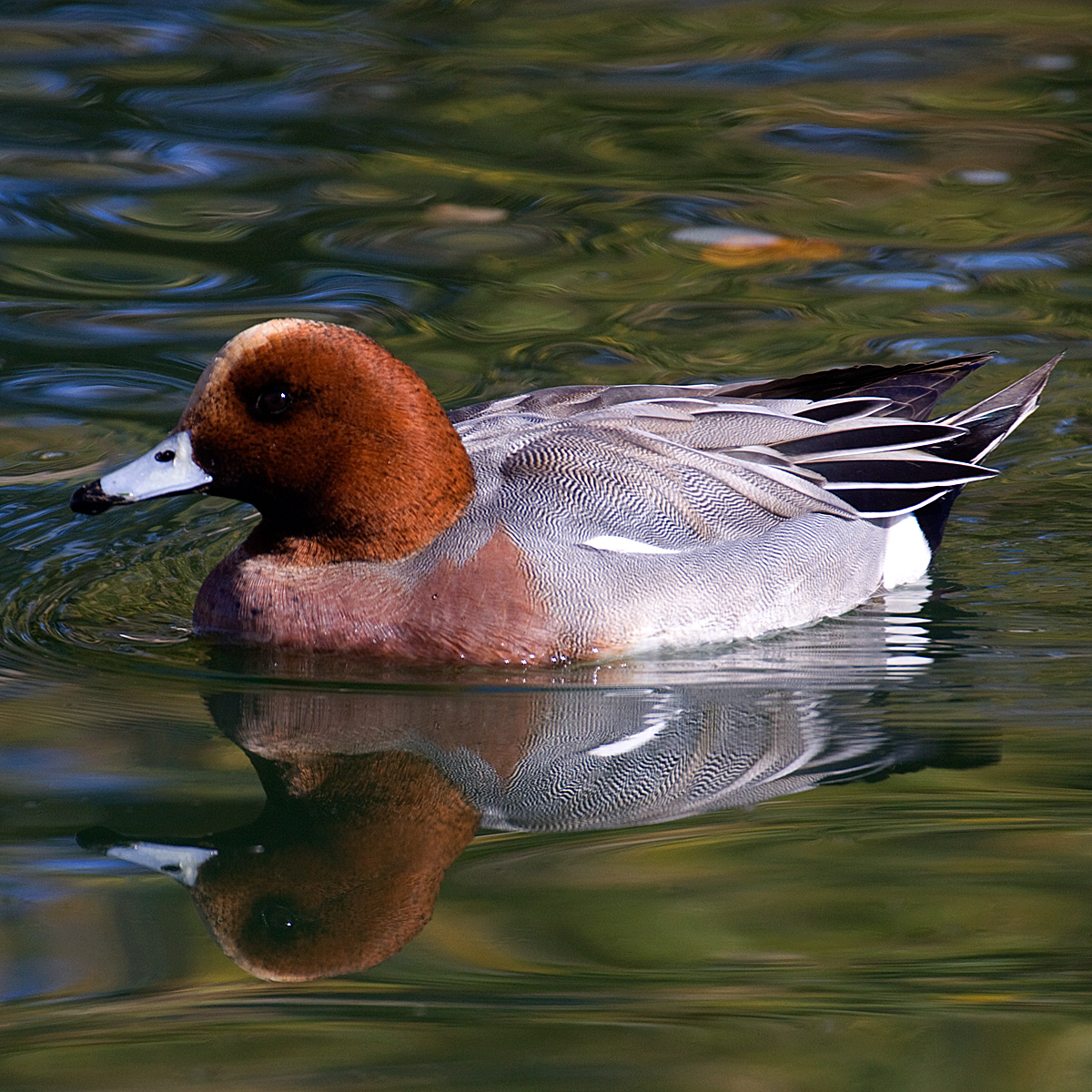
Eurasian Wigeon (Mareca penelope) Eurasian Wigeon
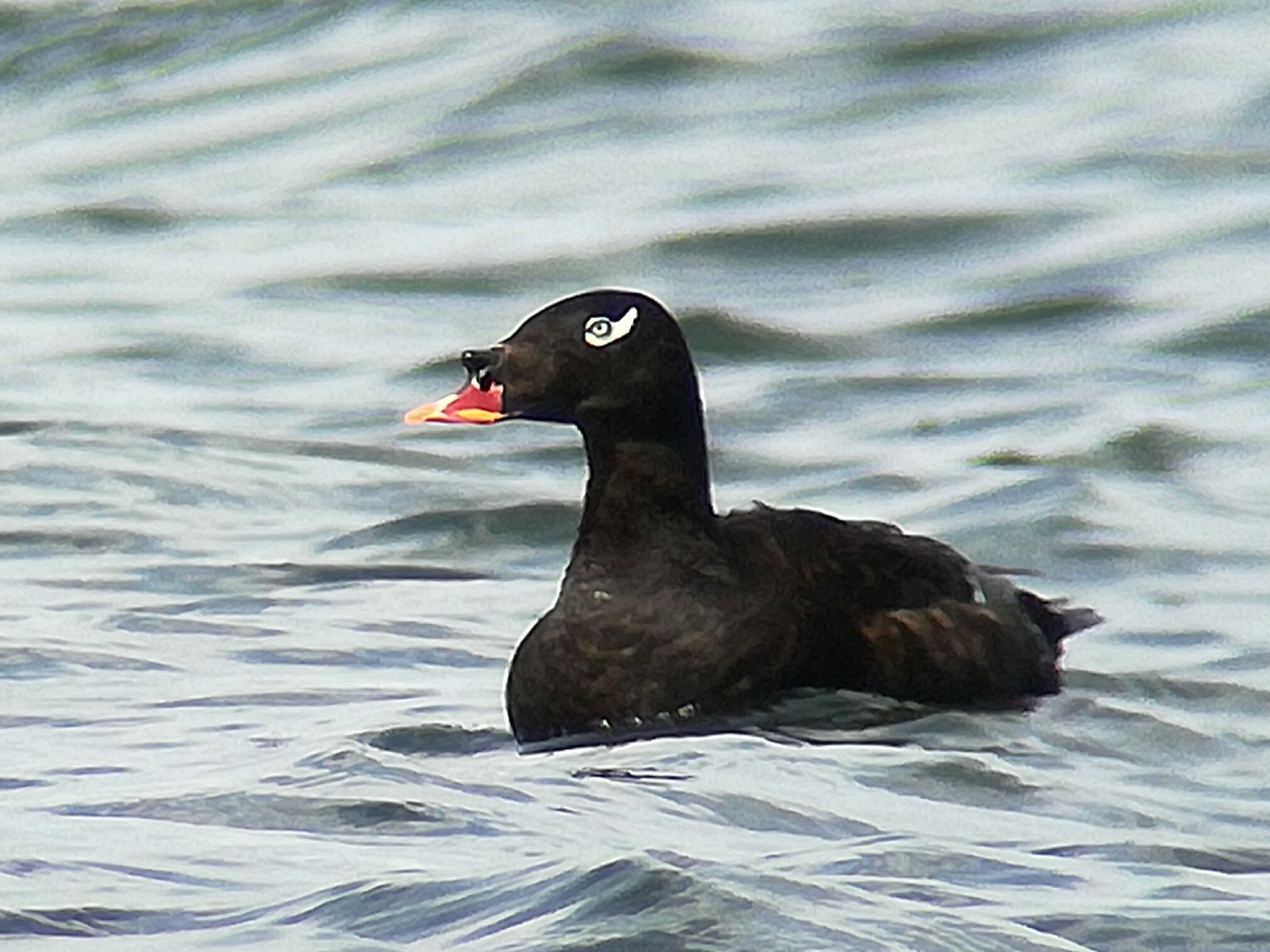
Stejneger's Scoter (Melanitta stejnegeri) Stejneger's Scoter

Media

Loading…

In short

The Eurasian Wigeon and Stejneger's Scoter are both waterfowl but differ significantly in appearance and behavior. The Eurasian Wigeon is a dabbling duck with a distinctive chestnut head and creamy forehead, while Stejneger's Scoter is a sea duck with a predominantly black plumage and a unique bill shape. These differences make them distinguishable even at a distance.

Identification tips

  1. Look for the chestnut head and creamy forehead of the male Eurasian Wigeon. 2. Note the black plumage and swollen bill of the male Stejneger's Scoter. 3. Observe behavior: dabbling indicates a Wigeon, diving suggests a Scoter. 4. Consider habitat: freshwater for Wigeons, coastal for Scoters. 5. Listen for the Wigeon's whistling call.

Size

Stejneger's Scoter is generally larger and more robust than the Eurasian Wigeon.

Plumage

Eurasian Wigeon males have a chestnut head with a creamy forehead and a gray body, while females are mottled brown. Stejneger's Scoter males are mostly black with a distinctive swollen bill, and females are dark brown with pale cheeks.

Behaviour

Eurasian Wigeons are often seen dabbling in shallow waters, while Stejneger's Scoters are diving ducks, frequently seen diving for food in deeper waters.

Habitat

Eurasian Wigeons are typically found in freshwater wetlands, lakes, and marshes, whereas Stejneger's Scoters prefer coastal marine environments, especially during winter.

Voice

Eurasian Wigeons are known for their distinctive whistling calls, while Stejneger's Scoters are generally quieter, with less distinctive vocalizations.

Submit a better description

Use the same sections as the comparison. Your text is published immediately.

The Eurasian Wigeon and Stejneger's Scoter are both waterfowl but differ significantly in appearance and behavior. The Eurasian Wigeon is a dabbling duck with a distinctive chestnut head and creamy forehead, while Stejneger's Scoter is a sea duck with a predominantly black plumage and a unique bill shape. These differences make them distinguishable even at a distance.

  1. Look for the chestnut head and creamy forehead of the male Eurasian Wigeon. 2. Note the black plumage and swollen bill of the male Stejneger's Scoter. 3. Observe behavior: dabbling indicates a Wigeon, diving suggests a Scoter. 4. Consider habitat: freshwater for Wigeons, coastal for Scoters. 5. Listen for the Wigeon's whistling call.

Stejneger's Scoter is generally larger and more robust than the Eurasian Wigeon.

Eurasian Wigeon males have a chestnut head with a creamy forehead and a gray body, while females are mottled brown. Stejneger's Scoter males are mostly black with a distinctive swollen bill, and females are dark brown with pale cheeks.

Eurasian Wigeons are often seen dabbling in shallow waters, while Stejneger's Scoters are diving ducks, frequently seen diving for food in deeper waters.

Eurasian Wigeons are typically found in freshwater wetlands, lakes, and marshes, whereas Stejneger's Scoters prefer coastal marine environments, especially during winter.

Eurasian Wigeons are known for their distinctive whistling calls, while Stejneger's Scoters are generally quieter, with less distinctive vocalizations.

Discard your changes?

You have unsaved edits. If you leave now, those changes will be lost.

Eurasian Wigeon · Stejneger's Scoter · My Tricky Birds