
Eurasian Wryneck vs Great Spotted Woodpecker
Jynx torquilla versus Dendrocopos major
Play a quiz with Eurasian Wryneck and Great Spotted Woodpecker
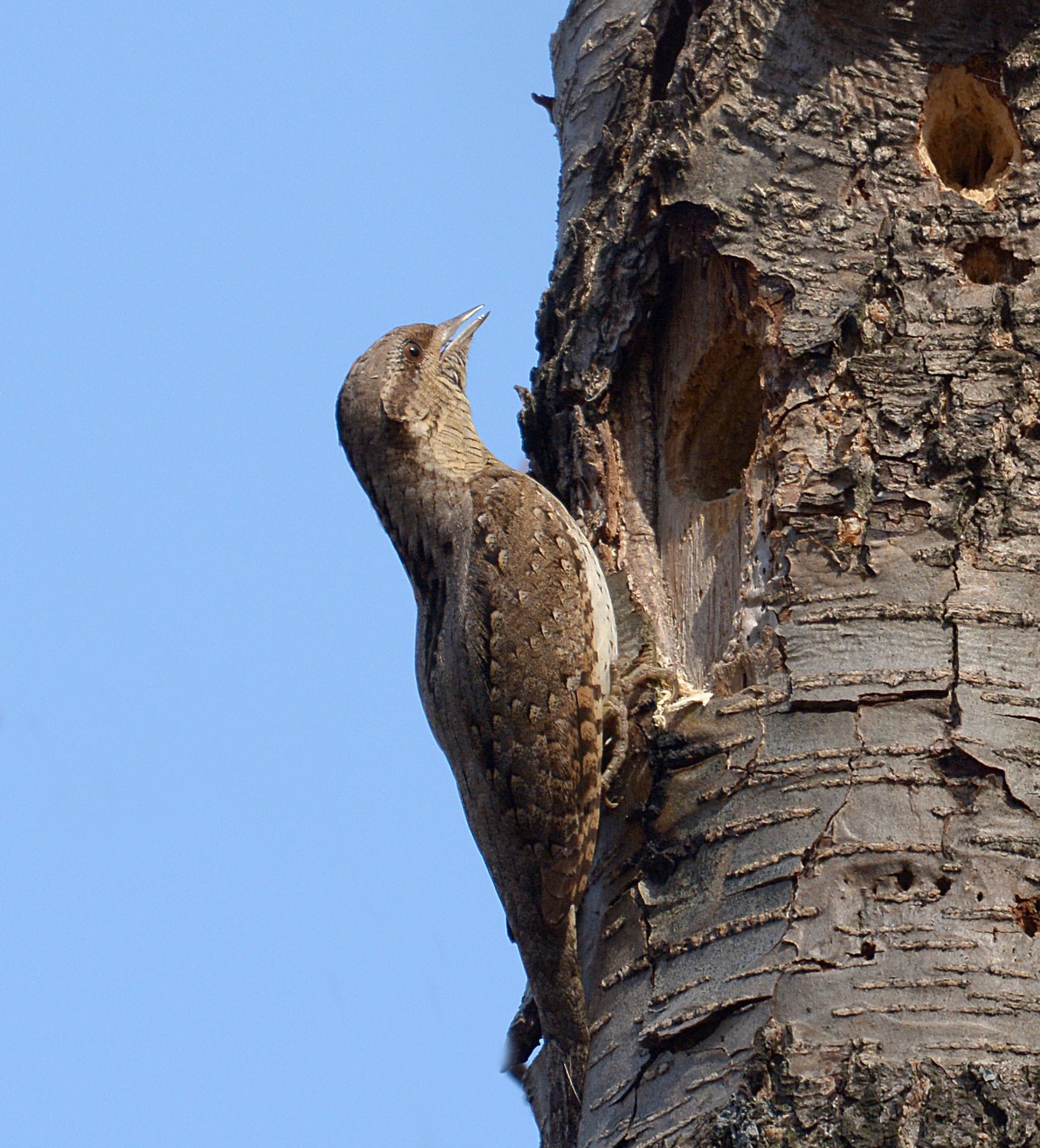 Eurasian Wryneck
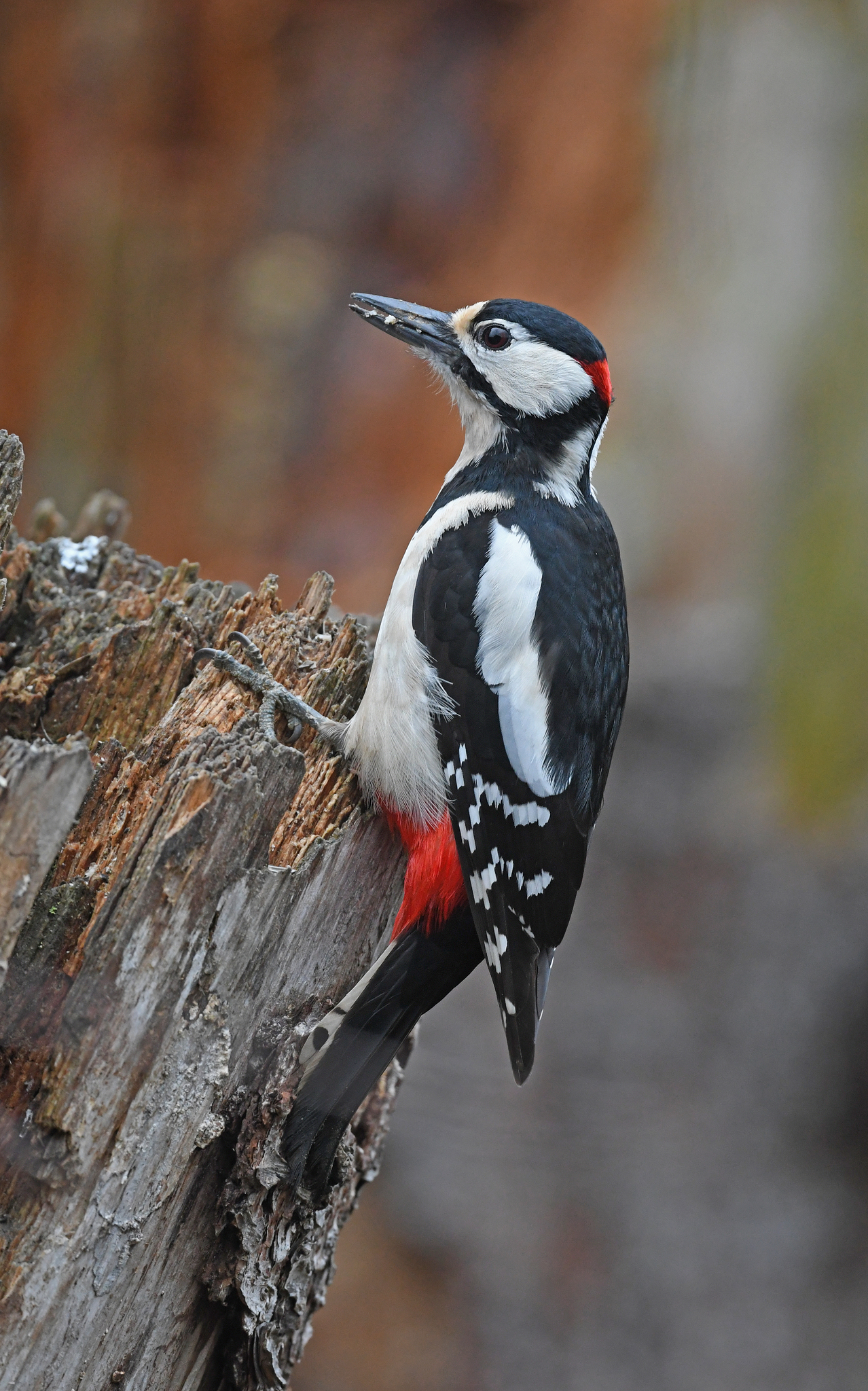 Great Spotted Woodpecker
In short
The Eurasian Wryneck and Great Spotted Woodpecker are both members of the woodpecker family but differ significantly in behavior and appearance. The Wryneck is known for its cryptic plumage and unique neck-twisting behavior, while the Great Spotted Woodpecker is more robust with distinctive black and white plumage and red markings.
Identification tips
1. Size and Structure: The Great Spotted Woodpecker is larger and more robust. 2. Plumage: Look for the Wryneck's cryptic, bark-like plumage versus the bold black and white of the Great Spotted Woodpecker. 3. Behavior: Note the Wryneck's ground-foraging and neck-twisting behavior, contrasting with the woodpecker's drumming. 4. Habitat: Observe the Wryneck's preference for foraging on the ground for ants, while the woodpecker is often seen on tree trunks. 5. Vocalization: Listen for the Great Spotted Woodpecker's drumming and calls.
Size
The Great Spotted Woodpecker is larger and more robust than the Eurasian Wryneck.
Plumage
The Eurasian Wryneck has cryptic, mottled brown plumage that blends with tree bark, while the Great Spotted Woodpecker has bold black and white plumage with red on the nape (males) and under the tail.
Behaviour
The Wryneck is known for its neck-twisting behavior when threatened, often seen during bird ringing. The Great Spotted Woodpecker is more likely to be observed drumming on trees.
Habitat
Both species can be found in wooded areas, but the Wryneck is more often seen on the ground foraging for ants, while the Great Spotted Woodpecker is frequently seen on tree trunks.
Voice
The Great Spotted Woodpecker is known for its drumming and loud calls, while the Wryneck is quieter and less vocal.
Eurasian Wryneck · Great Spotted Woodpecker · My Tricky Birds