
Eurasian Wryneck vs Lesser Kestrel
Jynx torquilla versus Falco naumanni
Play a quiz with Eurasian Wryneck and Lesser Kestrel
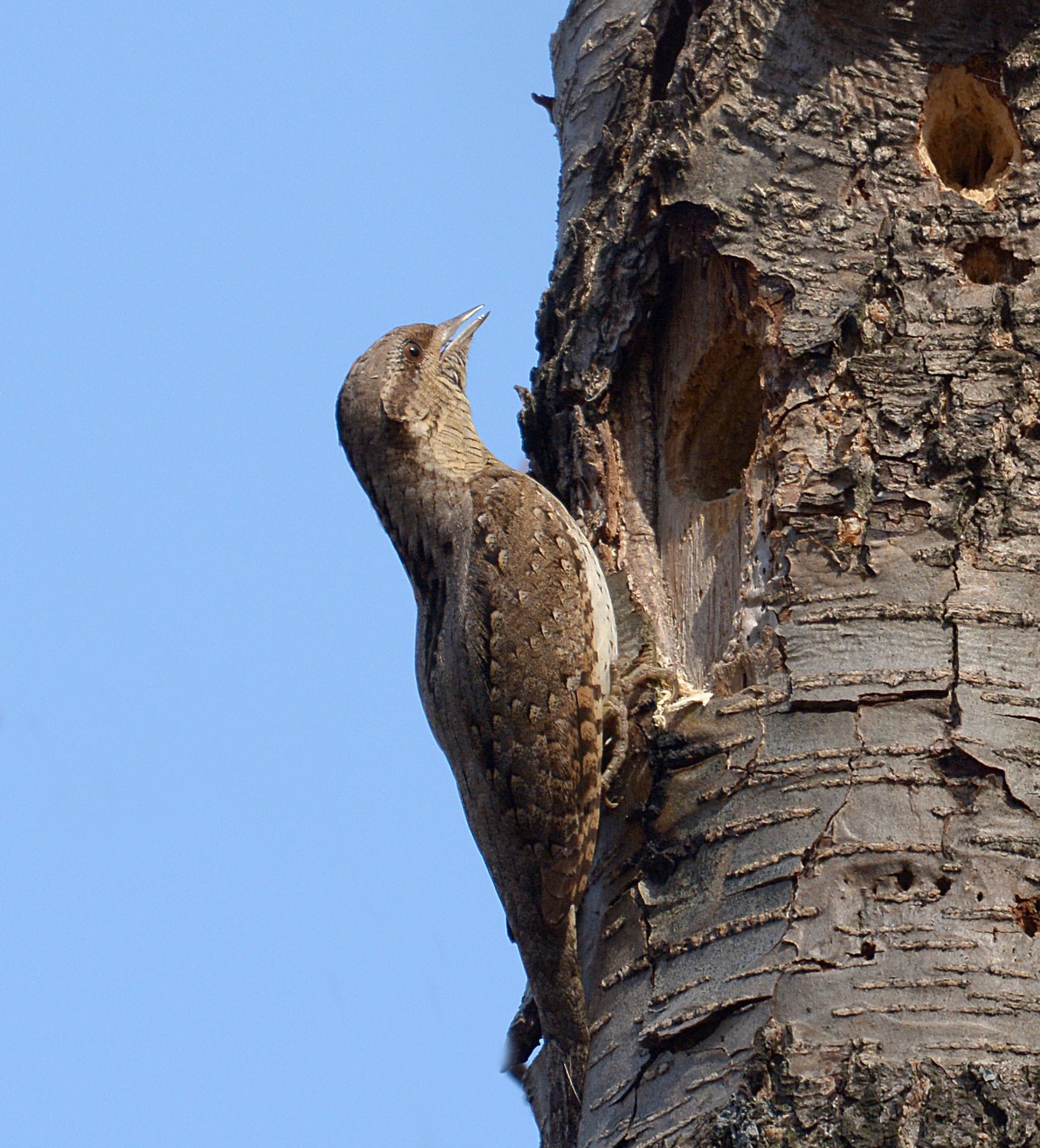 Eurasian Wryneck
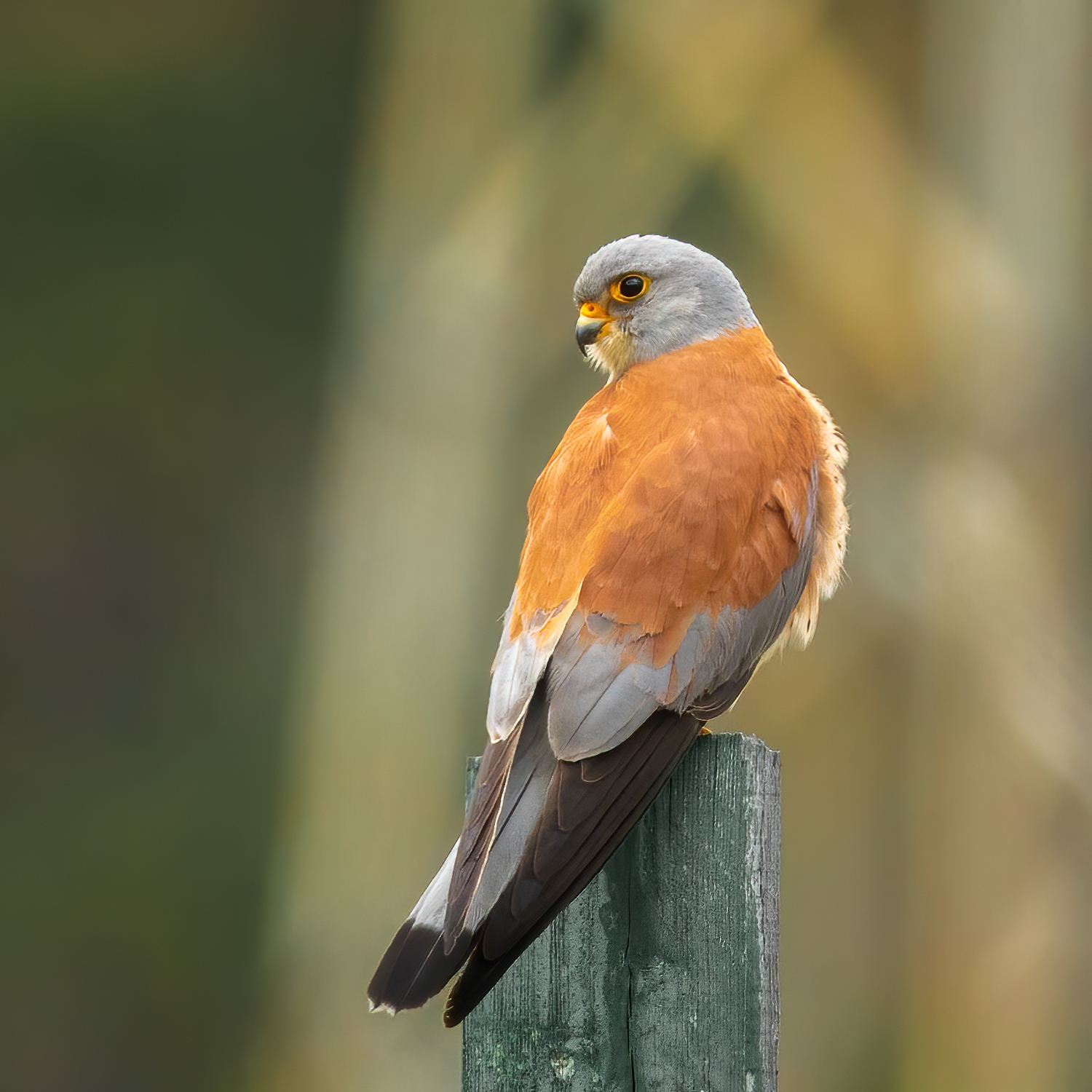 Lesser Kestrel
In short
The Eurasian Wryneck and Lesser Kestrel are easily distinguished by their structure and behavior. The Wryneck is a cryptically colored woodpecker with a unique neck-twisting behavior, while the Lesser Kestrel is a small falcon with pointed wings and a more aerial lifestyle.
Identification tips
1. Structure: Look for the Wryneck's compact body and cryptic plumage versus the Kestrel's pointed wings and falcon shape. 2. Behavior: Note the Wryneck's ground foraging and neck-twisting versus the Kestrel's hovering flight. 3. Habitat: Observe the environment; Wrynecks are in wooded areas, Kestrels in open fields. 4. Vocalization: Listen for the Wryneck's 'kew' series compared to the Kestrel's 'klee-klee-klee'.
Size
The Eurasian Wryneck is smaller and more compact compared to the slender and longer-winged Lesser Kestrel.
Plumage
The Wryneck has cryptic, bark-like plumage that camouflages it against tree trunks, whereas the Lesser Kestrel has more colorful plumage, with males showing blue-grey heads and rusty backs.
Behaviour
Wrynecks are often seen on the ground or clinging to tree trunks, using their long tongues to feed on ants. Lesser Kestrels are more aerial, often seen hovering or gliding in search of insects.
Habitat
Wrynecks prefer wooded areas with plenty of trees for foraging. Lesser Kestrels are found in open habitats like grasslands and farmlands.
Voice
The Wryneck's call is a series of repeated 'kew' notes, while the Lesser Kestrel's call is a high-pitched 'klee-klee-klee'.