Birdr

Eurasian/Green-winged Teal vs Cirl Bunting

Anas crecca versus Emberiza cirlus

Play a quiz with Eurasian/Green-winged Teal and Cirl Bunting
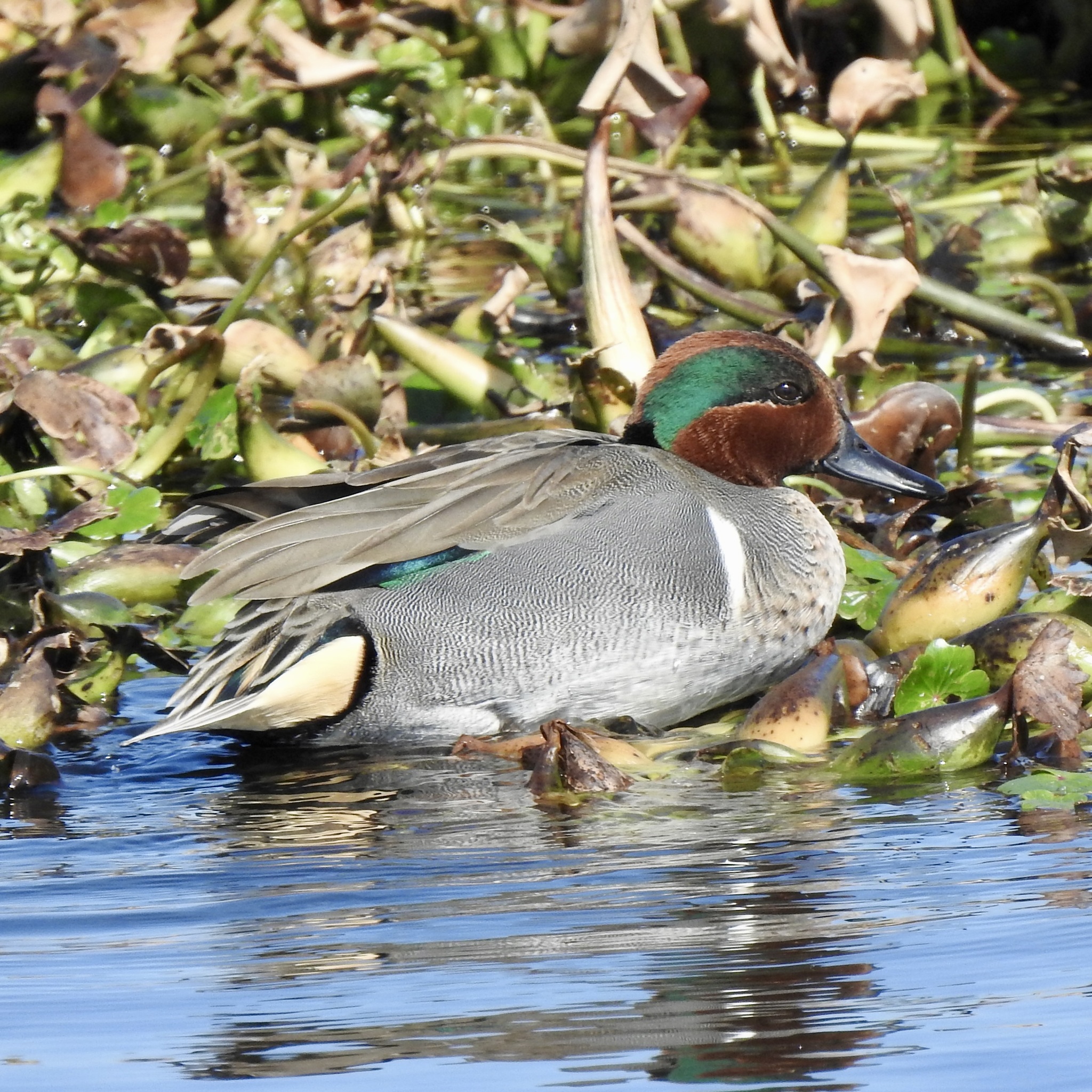
Eurasian/Green-winged Teal (Anas crecca) Eurasian/Green-winged Teal
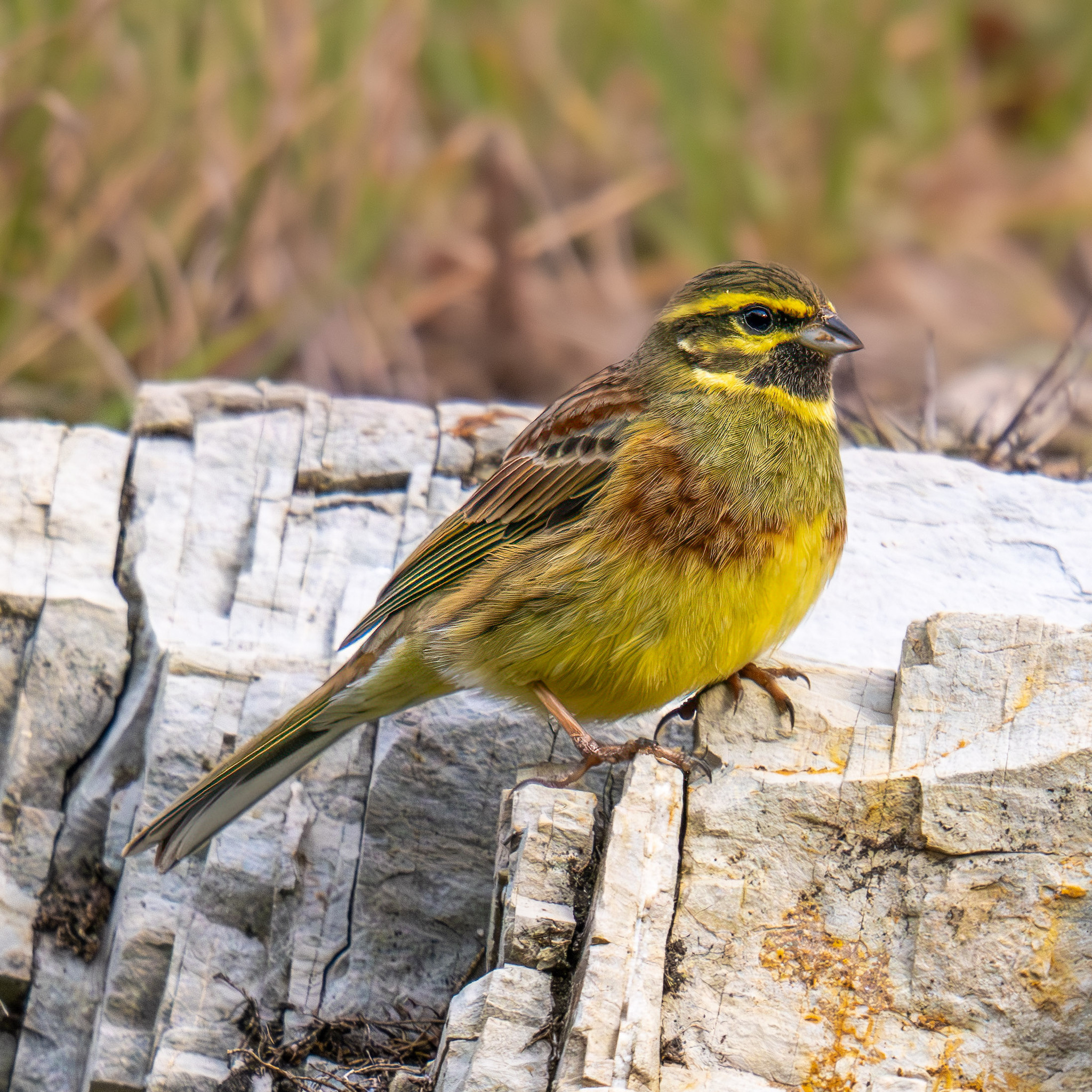
Cirl Bunting (Emberiza cirlus) Cirl Bunting

Media

Loading…

In short

The Eurasian/Green-winged Teal is a small, dabbling duck with a distinctive green speculum, while the Cirl Bunting is a small passerine with a striking yellow and black facial pattern. These species differ greatly in structure and habitat preferences, making them unlikely to be confused in the field.

Identification tips

1. Look for the green speculum and chestnut head with a green eye patch on male Eurasian/Green-winged Teals. 2. Note the yellow and black facial pattern on male Cirl Buntings. 3. Observe the habitat: wetlands for teals, open woodlands for buntings. 4. Listen for the whistling call of the teal versus the musical notes of the bunting.

Size

The Eurasian/Green-winged Teal is a small duck, larger and bulkier than the sparrow-sized Cirl Bunting.

Plumage

The Eurasian/Green-winged Teal has a green speculum and males have a chestnut head with a green eye patch. The Cirl Bunting male has a yellow face with black markings and a greenish back, while females are more subdued with streaked brown plumage.

Behaviour

Teals are often seen dabbling in water, whereas Cirl Buntings are typically found foraging on the ground or in low vegetation.

Habitat

Eurasian/Green-winged Teals prefer wetlands, ponds, and marshes. Cirl Buntings inhabit open woodlands, farmland, and scrubby areas.

Voice

The Eurasian/Green-winged Teal has a soft, whistling call, while the Cirl Bunting's song is a series of clear, musical notes.

Submit a better description

Use the same sections as the comparison. Your text is published immediately.

The Eurasian/Green-winged Teal is a small, dabbling duck with a distinctive green speculum, while the Cirl Bunting is a small passerine with a striking yellow and black facial pattern. These species differ greatly in structure and habitat preferences, making them unlikely to be confused in the field.

1. Look for the green speculum and chestnut head with a green eye patch on male Eurasian/Green-winged Teals. 2. Note the yellow and black facial pattern on male Cirl Buntings. 3. Observe the habitat: wetlands for teals, open woodlands for buntings. 4. Listen for the whistling call of the teal versus the musical notes of the bunting.

The Eurasian/Green-winged Teal is a small duck, larger and bulkier than the sparrow-sized Cirl Bunting.

The Eurasian/Green-winged Teal has a green speculum and males have a chestnut head with a green eye patch. The Cirl Bunting male has a yellow face with black markings and a greenish back, while females are more subdued with streaked brown plumage.

Teals are often seen dabbling in water, whereas Cirl Buntings are typically found foraging on the ground or in low vegetation.

Eurasian/Green-winged Teals prefer wetlands, ponds, and marshes. Cirl Buntings inhabit open woodlands, farmland, and scrubby areas.

The Eurasian/Green-winged Teal has a soft, whistling call, while the Cirl Bunting's song is a series of clear, musical notes.

Discard your changes?

You have unsaved edits. If you leave now, those changes will be lost.

Eurasian/Green-winged Teal · Cirl Bunting · My Tricky Birds