
European Bee-eater vs Green-backed Camaroptera
Merops apiaster versus Camaroptera brachyura
Play a quiz with European Bee-eater and Green-backed Camaroptera
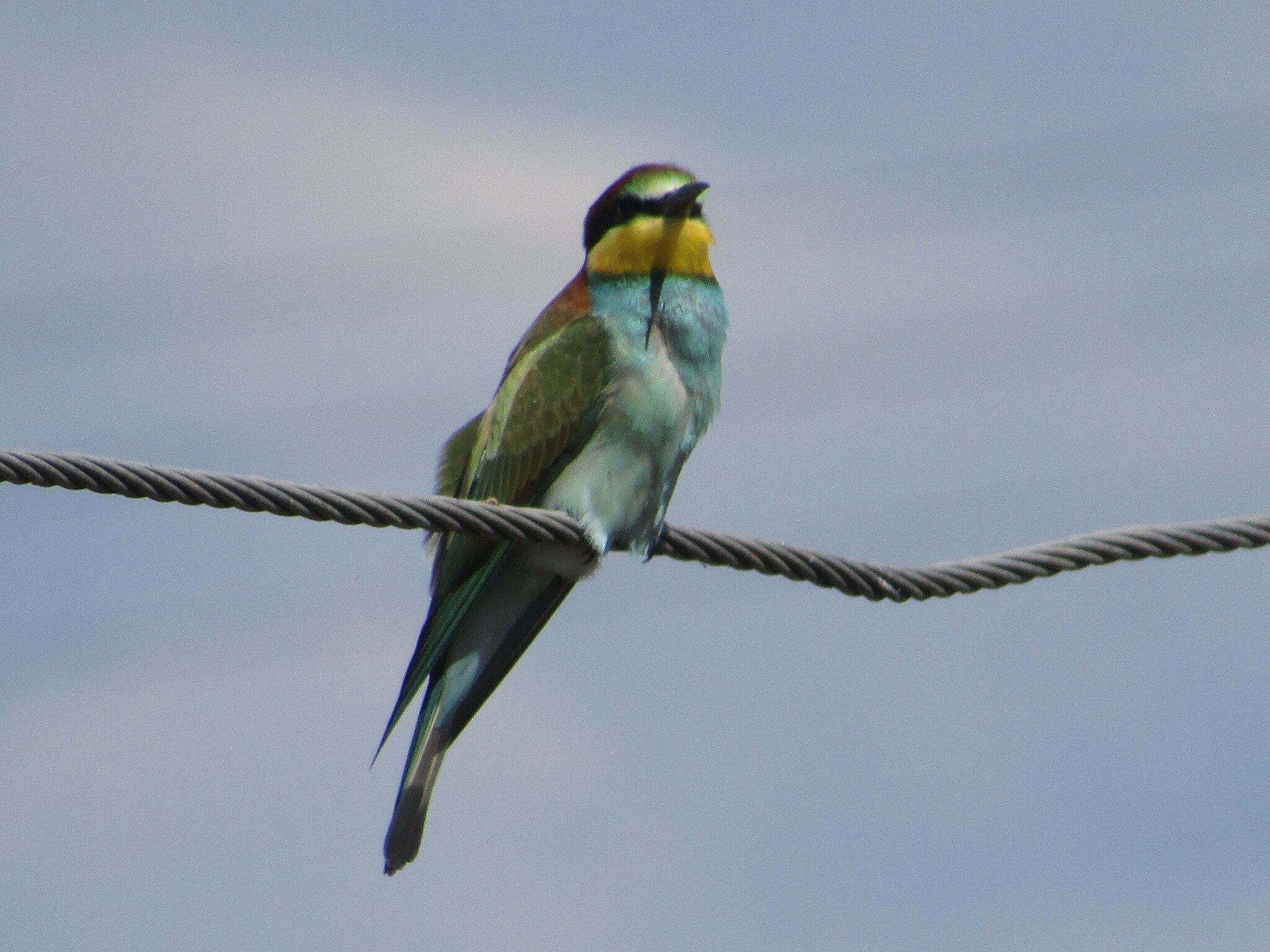 European Bee-eater
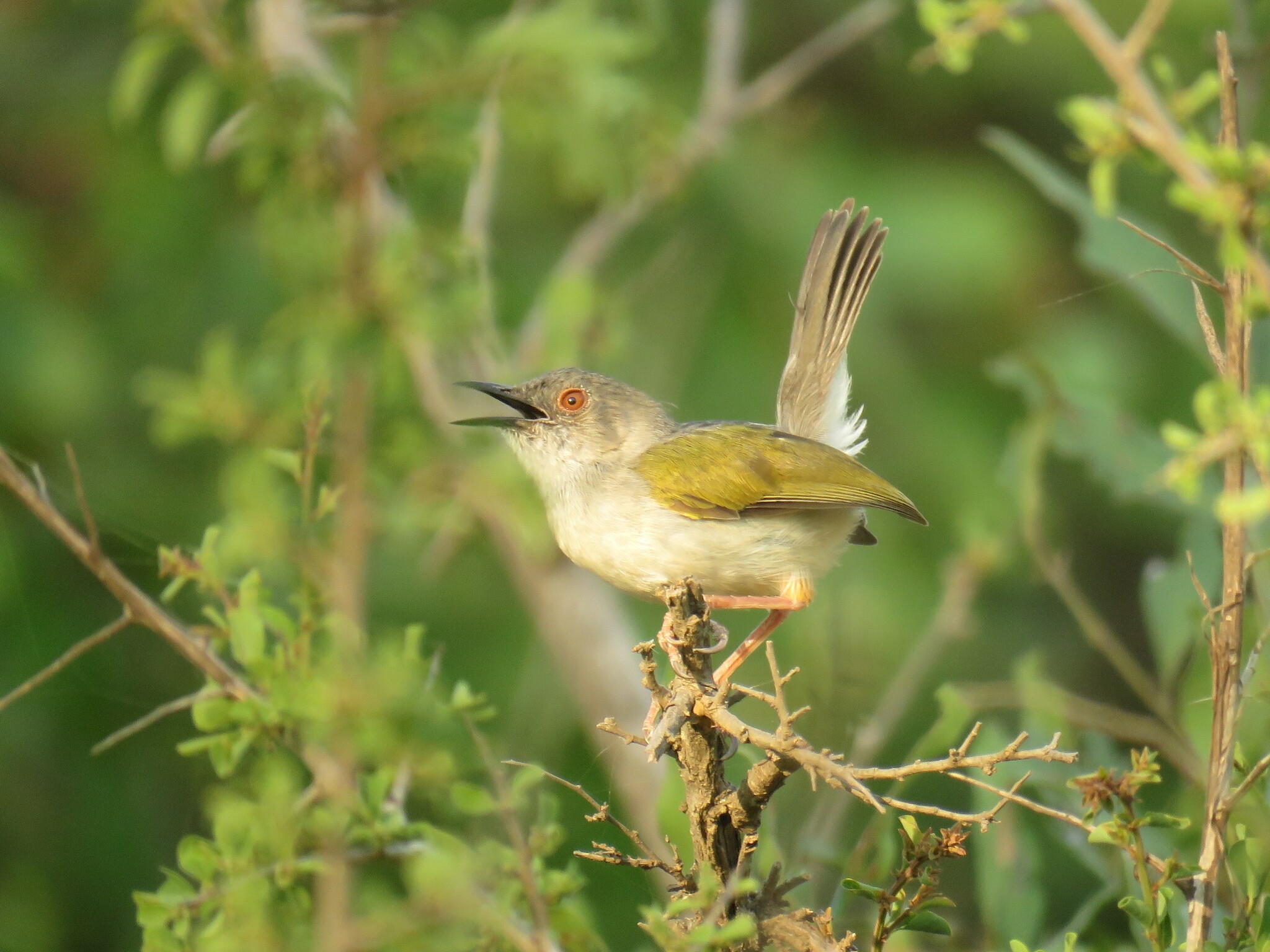 Green-backed Camaroptera
In short
The European Bee-eater and Green-backed Camaroptera are distinct in appearance and behavior, with the former being a colorful, aerial insectivore and the latter a more subdued, skulking insectivore. Key differences include the European Bee-eater's vibrant plumage and aerial hunting style compared to the Green-backed Camaroptera's greenish back and terrestrial habits.
Identification tips
- Look for the European Bee-eater's vibrant colors and aerial behavior. 2. Note the Green-backed Camaroptera's greenish back and preference for dense vegetation. 3. Listen for the bee-eater's melodious calls versus the camaroptera's repetitive whistles.
Size
The European Bee-eater is larger and more elongated, while the Green-backed Camaroptera is smaller and more compact.
Plumage
The European Bee-eater displays a striking combination of blue, green, and chestnut colors, with a distinctive black eye stripe. In contrast, the Green-backed Camaroptera has a more muted greenish back, grayish underparts, and lacks the vivid colors of the bee-eater.
Behaviour
European Bee-eaters are often seen in open areas, catching insects in flight, whereas Green-backed Camaropteras are more secretive, foraging low in dense vegetation.
Habitat
European Bee-eaters prefer open landscapes with sandy banks for nesting, while Green-backed Camaropteras inhabit dense thickets and forest undergrowth.
Voice
European Bee-eaters have a distinctive, melodious call often heard during flight. Green-backed Camaropteras produce a series of repetitive whistles, typically heard from within dense cover.
European Bee-eater · Green-backed Camaroptera · My Tricky Birds