
European Honey-buzzard vs Griffon Vulture
Pernis apivorus versus Gyps fulvus
Play a quiz with European Honey-buzzard and Griffon Vulture
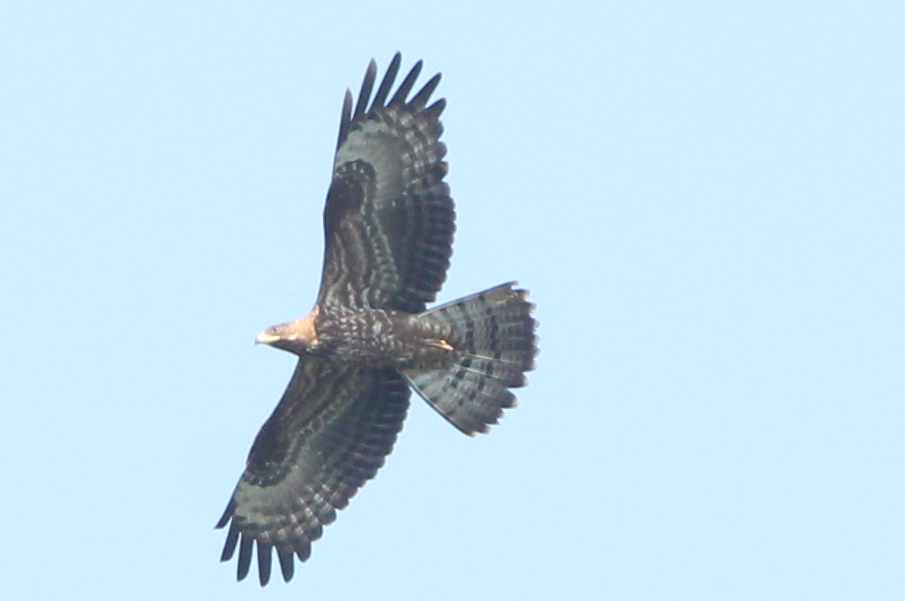 European Honey-buzzard
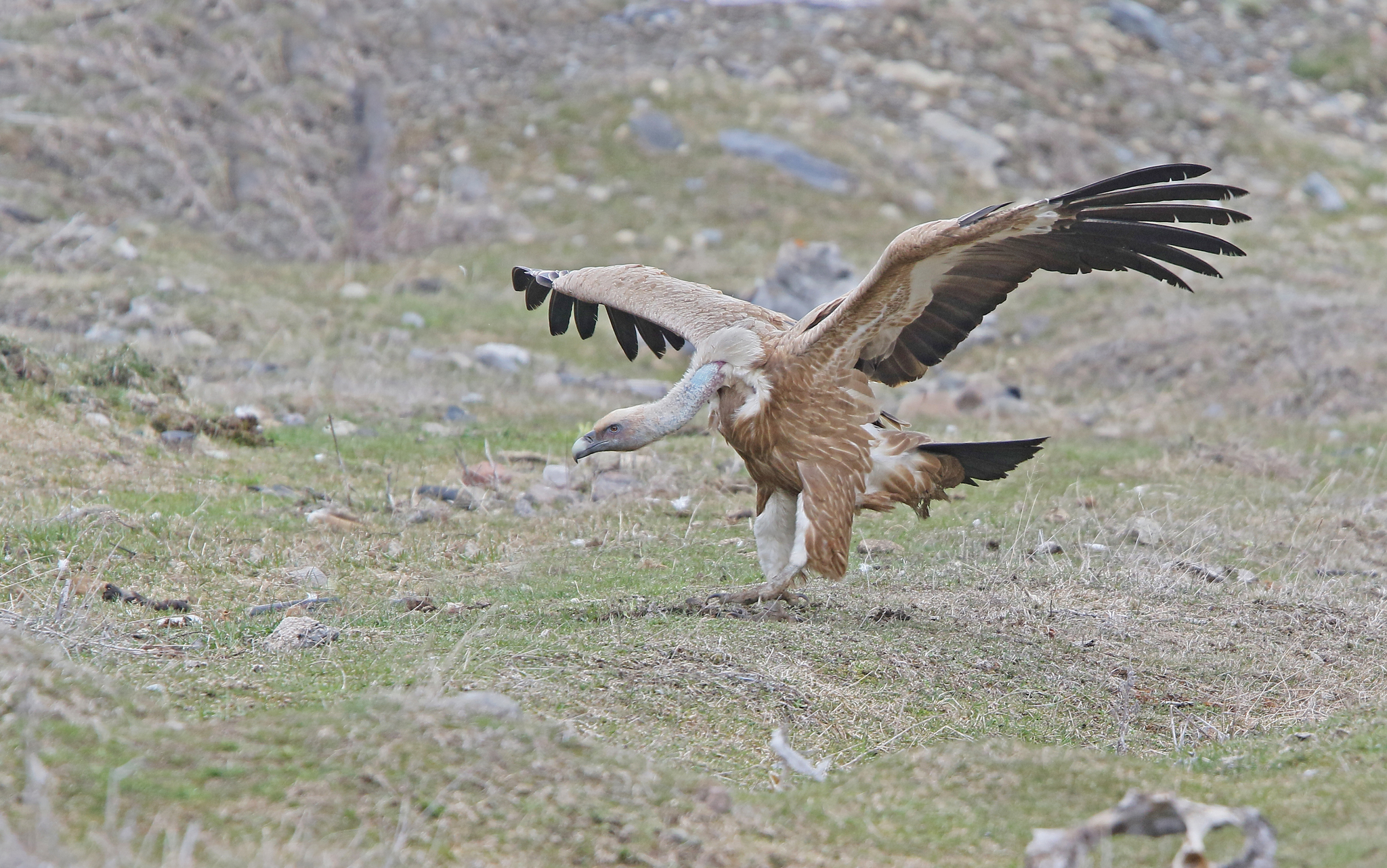 Griffon Vulture
In short
The European Honey-buzzard and Griffon Vulture are distinct in size and flight silhouette. The Honey-buzzard is a medium-sized raptor with a slender build, while the Griffon Vulture is a large, heavy-bodied bird with broad wings and a short tail. Plumage differences are also notable, with the Honey-buzzard having more varied and subtle coloration compared to the Griffon's pale head and contrasting dark flight feathers.
Identification tips
- Size and silhouette: Look for the smaller size and more streamlined shape of the Honey-buzzard versus the large, broad-winged silhouette of the Griffon Vulture. 2. Plumage: Note the varied and subtle coloration of the Honey-buzzard compared to the pale head and contrasting dark wings of the Griffon Vulture. 3. Flight behavior: Observe the flat-winged gliding of the Honey-buzzard versus the soaring, V-winged flight of the Griffon Vulture. 4. Habitat: Consider the habitat; Honey-buzzards are more likely in wooded areas, while Griffon Vultures are seen in open, mountainous regions.
Size
The European Honey-buzzard is significantly smaller, with a more streamlined body and narrower wings compared to the massive Griffon Vulture, which has a wingspan over 2 meters.
Plumage
The Honey-buzzard has a more varied plumage with brown, grey, and barred patterns, while the Griffon Vulture is characterized by a pale head, neck, and ruff, with dark flight feathers and pale brown body.
Behaviour
The Honey-buzzard is often seen gliding with wings held flat, while the Griffon Vulture soars with wings held in a shallow V and is often seen in groups.
Habitat
The Honey-buzzard prefers wooded areas and is often found in forests, whereas the Griffon Vulture is typically found in open mountainous regions and cliffs.
Voice
The Honey-buzzard is generally silent but may give a high-pitched whistle, whereas the Griffon Vulture is mostly silent, with occasional grunts or hisses.