
European Pied Flycatcher vs Atlas Flycatcher
Ficedula hypoleuca versus Ficedula speculigera
Play a quiz with European Pied Flycatcher and Atlas Flycatcher
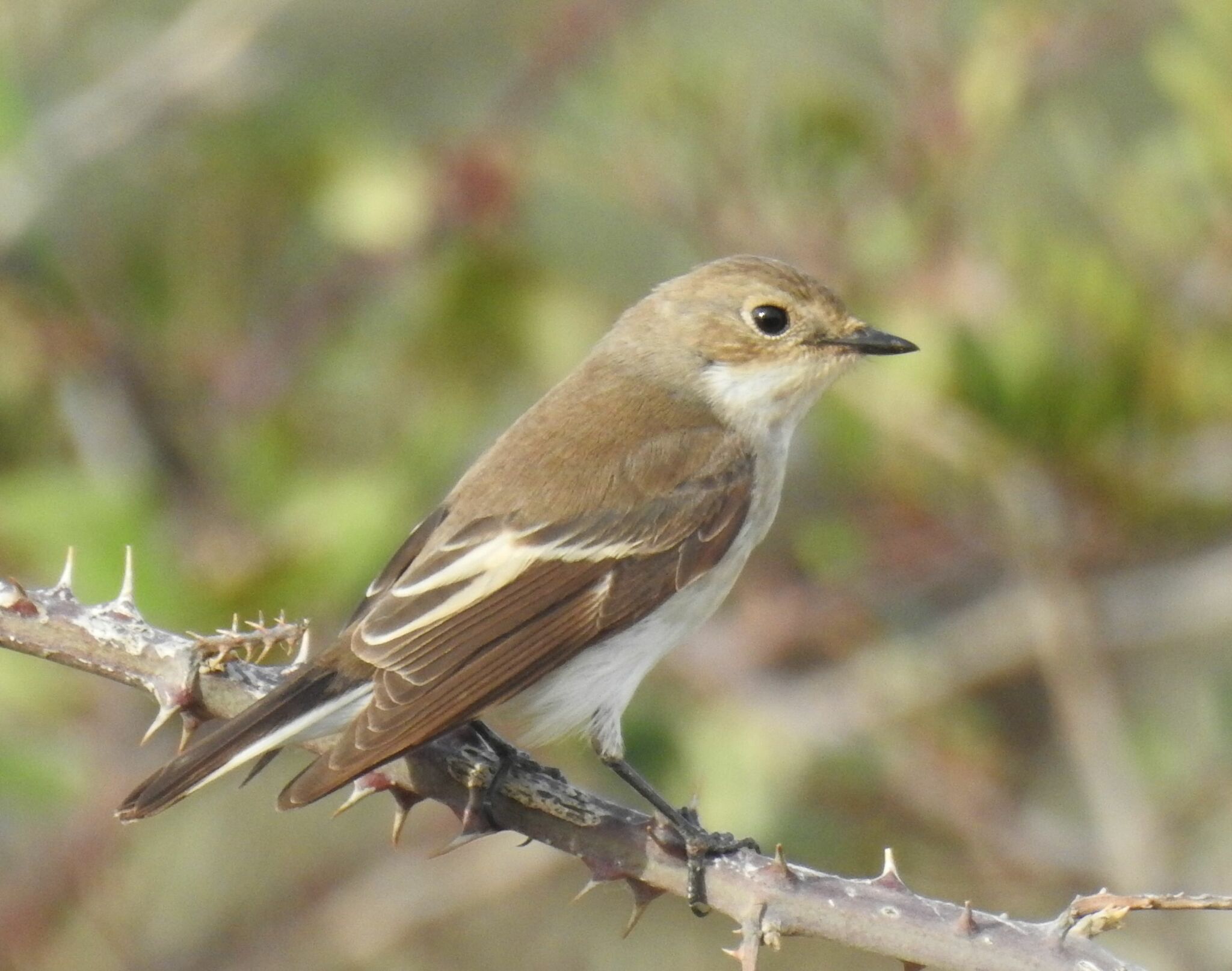 European Pied Flycatcher
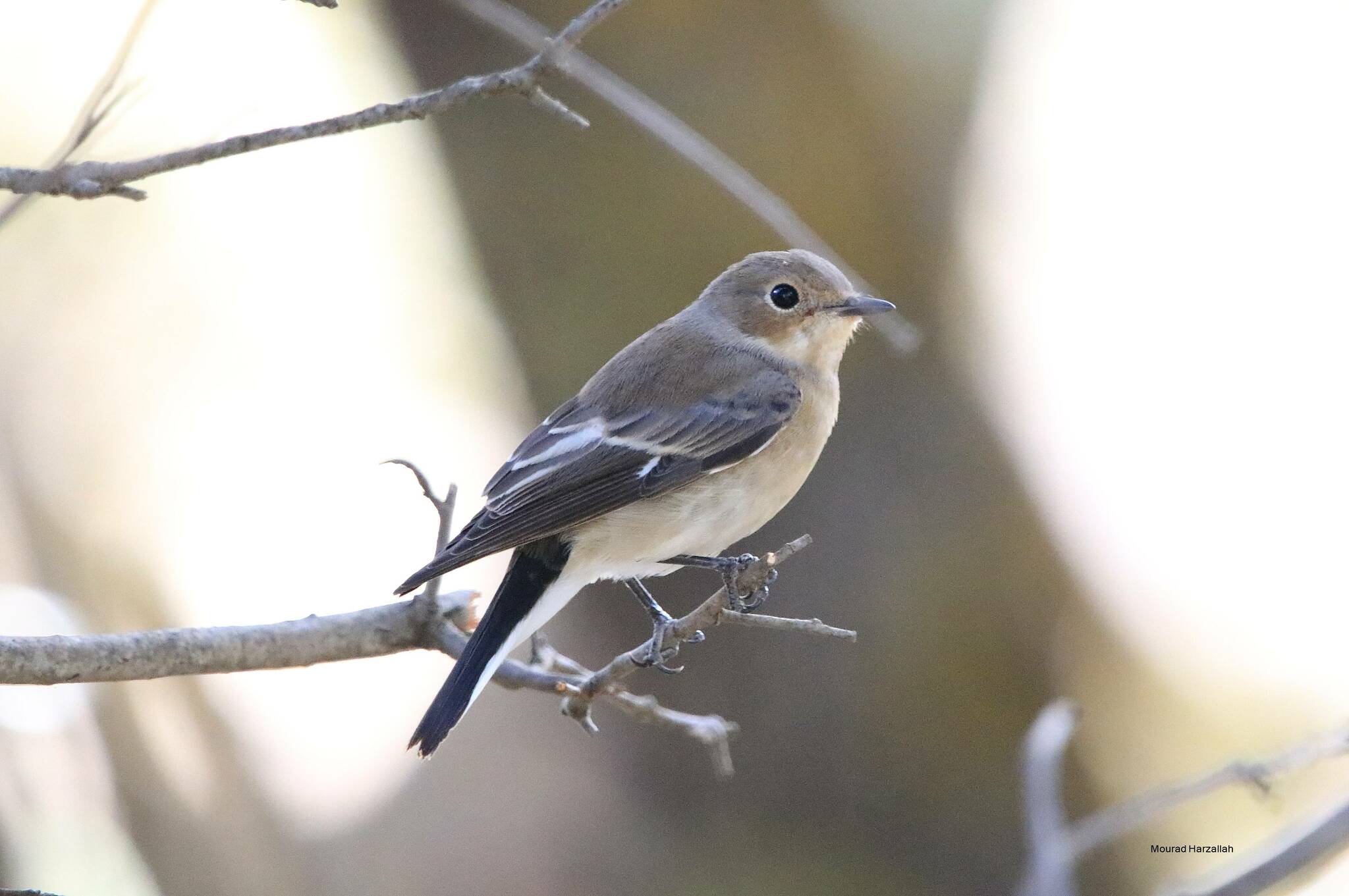 Atlas Flycatcher
In short
The European Pied Flycatcher and Atlas Flycatcher are closely related and similar in appearance, making field identification challenging. Key differences include subtle variations in plumage and geographic distribution. Observers should focus on structural differences and specific plumage details when distinguishing these species.
Identification tips
- Check wing patches: Males in breeding plumage—Atlas Flycatchers often have larger white wing patches. 2. Geographic location: Consider the range—Atlas Flycatchers are primarily in North Africa. 3. Seasonal context: During migration, ranges may overlap, increasing identification difficulty.
Size
Both species are similar in size, typical of small flycatchers.
Plumage
Male Atlas Flycatchers in breeding plumage often have a more extensive white wing patch compared to European Pied Flycatchers. Female and non-breeding males of both species are more challenging to differentiate, with subtle differences in the tone of the upperparts and underparts.
Behaviour
Both species exhibit similar flycatching behavior, often seen sallying from perches to catch insects.
Habitat
European Pied Flycatchers are more widespread across Europe, while Atlas Flycatchers are primarily found in North Africa. Overlapping ranges during migration can complicate identification.
Voice
Vocalizations are similar and not a reliable field mark for distinguishing these species.
European Pied Flycatcher · Atlas Flycatcher · My Tricky Birds