
European Serin vs Lapland Bunting
Serinus serinus versus Calcarius lapponicus
Play a quiz with European Serin and Lapland Bunting
 European Serin
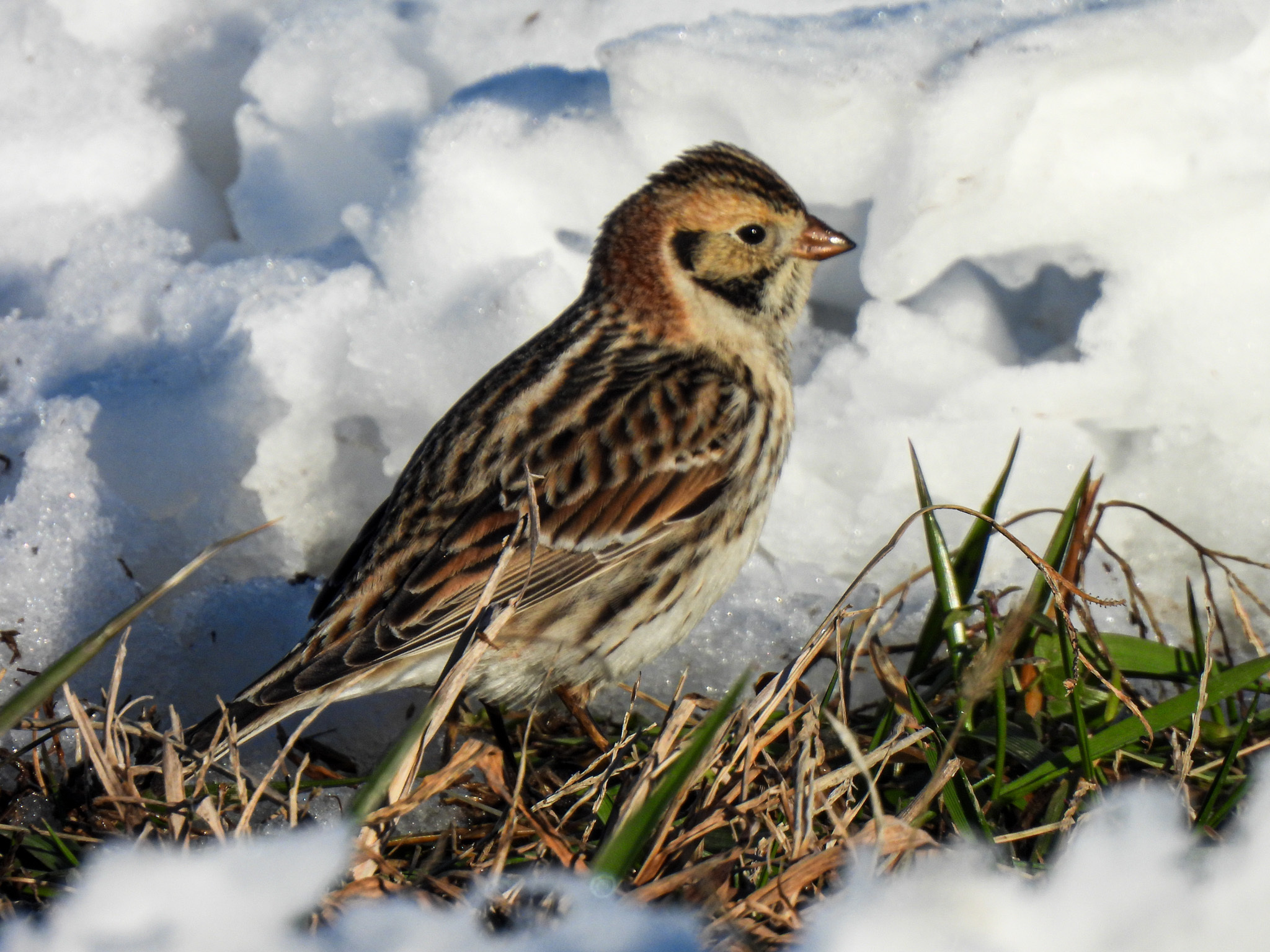 Lapland Bunting
In short
The European Serin and the Lapland Bunting are distinct in appearance and habitat preference. The Serin is a small, yellow-green finch often found in open woodlands and urban areas, while the Lapland Bunting, a larger bird with a striking black and chestnut head pattern in males, inhabits tundra and open fields. Their vocalizations and behaviors also differ significantly, aiding in identification.
Identification tips
- Size and Shape: Note the smaller size and compact shape of the Serin compared to the larger, more robust Bunting.
- Plumage: Look for the yellow-green tones of the Serin versus the black and chestnut head pattern of the male Bunting.
- Habitat: Consider the habitat; Serins are in woodlands and urban areas, while Buntings are in tundra and open fields.
- Vocalizations: Listen for the Serin's high-pitched twittering versus the Bunting's melodious trill.
Size
The European Serin is smaller and more compact compared to the larger and more robust Lapland Bunting.
Plumage
The European Serin is predominantly yellow-green with streaked underparts, while the Lapland Bunting, especially males in breeding plumage, has a distinctive black face and chestnut nape. Females and non-breeding males of the Bunting are more subdued but still show a streaked appearance with a hint of chestnut.
Behaviour
European Serins are often seen in flocks, feeding on seeds in open areas or perched in trees. Lapland Buntings are ground-dwelling, often seen walking or running on the tundra, and are more solitary or in small groups outside the breeding season.
Habitat
European Serins prefer open woodlands, gardens, and urban areas, while Lapland Buntings are found in arctic tundra and open fields, particularly during breeding season.
Voice
The European Serin has a high-pitched, twittering song, often given in flight. The Lapland Bunting's song is a melodious, warbling trill, quite different from the Serin's.