Birdr

Evening Grosbeak vs Hawfinch

Hesperiphona vespertina versus Coccothraustes coccothraustes

Play a quiz with Evening Grosbeak and Hawfinch
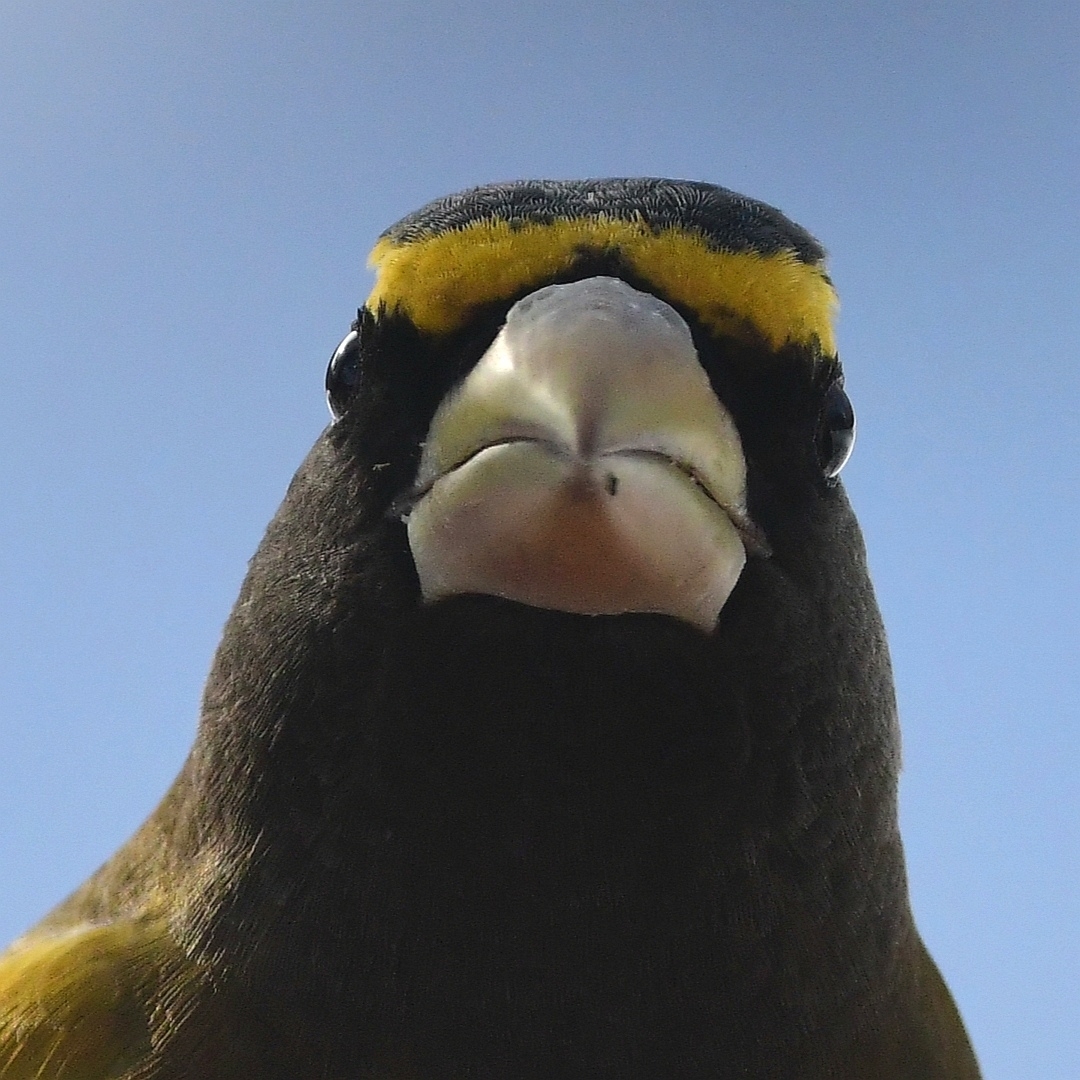
Evening Grosbeak (Hesperiphona vespertina) Evening Grosbeak
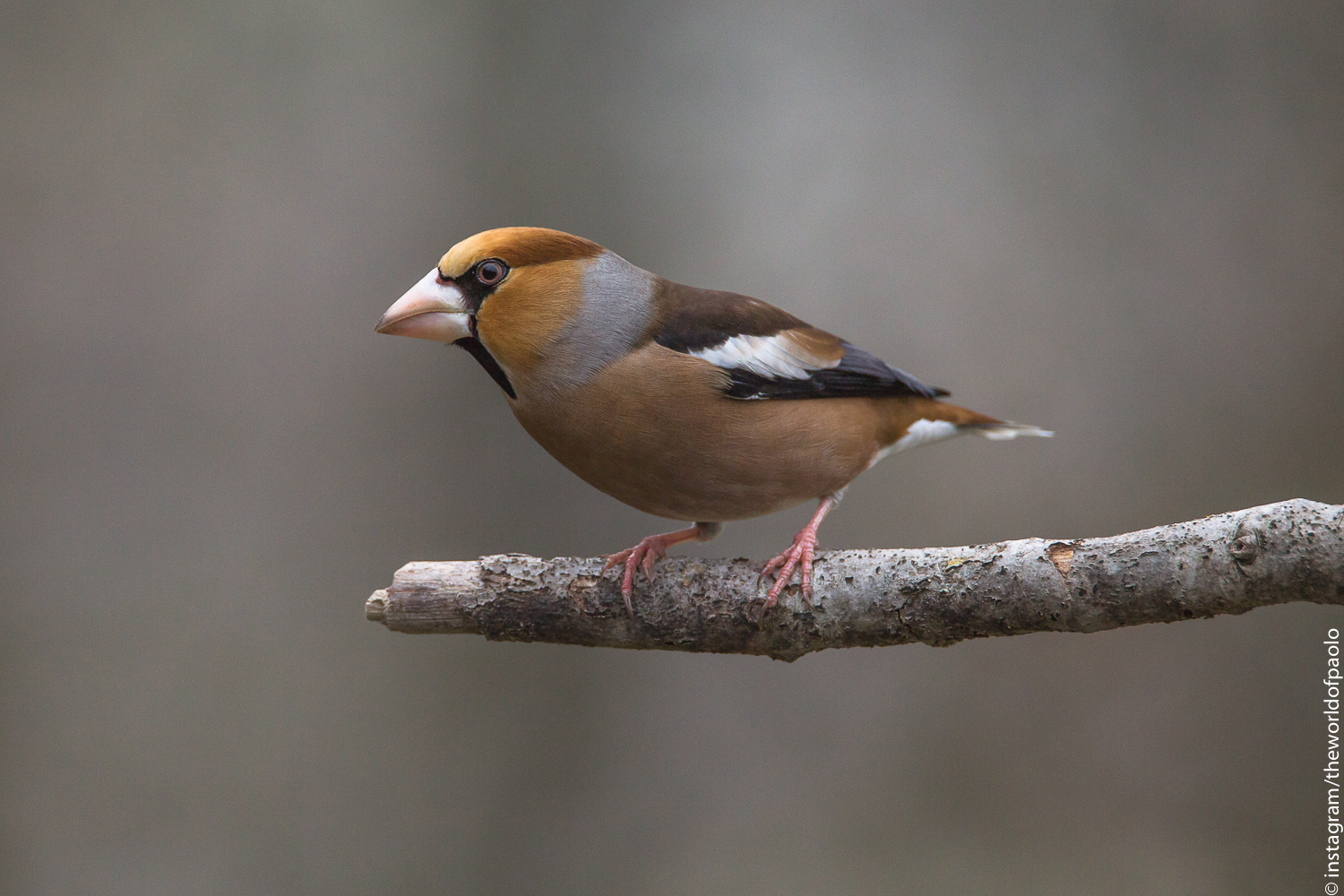
Hawfinch (Coccothraustes coccothraustes) Hawfinch

Media

Loading…

In short

The Evening Grosbeak and Hawfinch are both large, robust finches with powerful bills, but they can be distinguished by their plumage and geographic range. The Evening Grosbeak is found in North America, while the Hawfinch is native to Europe and Asia. Key differences in plumage and behavior help separate these species in the field.

Identification tips

  1. Location: Evening Grosbeak in North America, Hawfinch in Europe/Asia. 2. Plumage: Look for yellow and black in Evening Grosbeak; warm brown and black face mask in Hawfinch. 3. Bill: Both have large, conical bills, but Evening Grosbeak's is more ivory-colored, while Hawfinch's is bluish-gray. 4. Behavior: Evening Grosbeaks often in flocks; Hawfinches more solitary. 5. Calls: Listen for the 'cleer' of Evening Grosbeak versus the 'tick' of Hawfinch.

Size

Both species are similar in size, with the Hawfinch being slightly larger and bulkier than the Evening Grosbeak.

Plumage

The Evening Grosbeak has a striking yellow and black plumage with white wing patches, while the Hawfinch is more subdued with a warm brown body, black face mask, and white wing bars. The Evening Grosbeak's males are more vividly colored than females, whereas the Hawfinch shows less sexual dimorphism.

Behaviour

Evening Grosbeaks are known for their irruptive movements in winter, often forming large flocks, while Hawfinches are more solitary or found in small groups. Both species are strong, direct fliers.

Habitat

Evening Grosbeaks inhabit coniferous and mixed forests in North America, often visiting feeders in winter. Hawfinches prefer deciduous woodlands and parklands across Europe and Asia.

Voice

Evening Grosbeaks have a distinctive, clear 'cleer' call, while Hawfinches produce a sharp 'tick' or 'tsik' call. Their songs are not particularly musical and are rarely heard.

Submit a better description

Use the same sections as the comparison. Your text is published immediately.

The Evening Grosbeak and Hawfinch are both large, robust finches with powerful bills, but they can be distinguished by their plumage and geographic range. The Evening Grosbeak is found in North America, while the Hawfinch is native to Europe and Asia. Key differences in plumage and behavior help separate these species in the field.

  1. Location: Evening Grosbeak in North America, Hawfinch in Europe/Asia. 2. Plumage: Look for yellow and black in Evening Grosbeak; warm brown and black face mask in Hawfinch. 3. Bill: Both have large, conical bills, but Evening Grosbeak's is more ivory-colored, while Hawfinch's is bluish-gray. 4. Behavior: Evening Grosbeaks often in flocks; Hawfinches more solitary. 5. Calls: Listen for the 'cleer' of Evening Grosbeak versus the 'tick' of Hawfinch.

Both species are similar in size, with the Hawfinch being slightly larger and bulkier than the Evening Grosbeak.

The Evening Grosbeak has a striking yellow and black plumage with white wing patches, while the Hawfinch is more subdued with a warm brown body, black face mask, and white wing bars. The Evening Grosbeak's males are more vividly colored than females, whereas the Hawfinch shows less sexual dimorphism.

Evening Grosbeaks are known for their irruptive movements in winter, often forming large flocks, while Hawfinches are more solitary or found in small groups. Both species are strong, direct fliers.

Evening Grosbeaks inhabit coniferous and mixed forests in North America, often visiting feeders in winter. Hawfinches prefer deciduous woodlands and parklands across Europe and Asia.

Evening Grosbeaks have a distinctive, clear 'cleer' call, while Hawfinches produce a sharp 'tick' or 'tsik' call. Their songs are not particularly musical and are rarely heard.

Discard your changes?

You have unsaved edits. If you leave now, those changes will be lost.

Evening Grosbeak · Hawfinch · My Tricky Birds