Birdr

Fiery-necked Nightjar vs Marico Flycatcher

Caprimulgus pectoralis versus Bradornis mariquensis

Play a quiz with Fiery-necked Nightjar and Marico Flycatcher
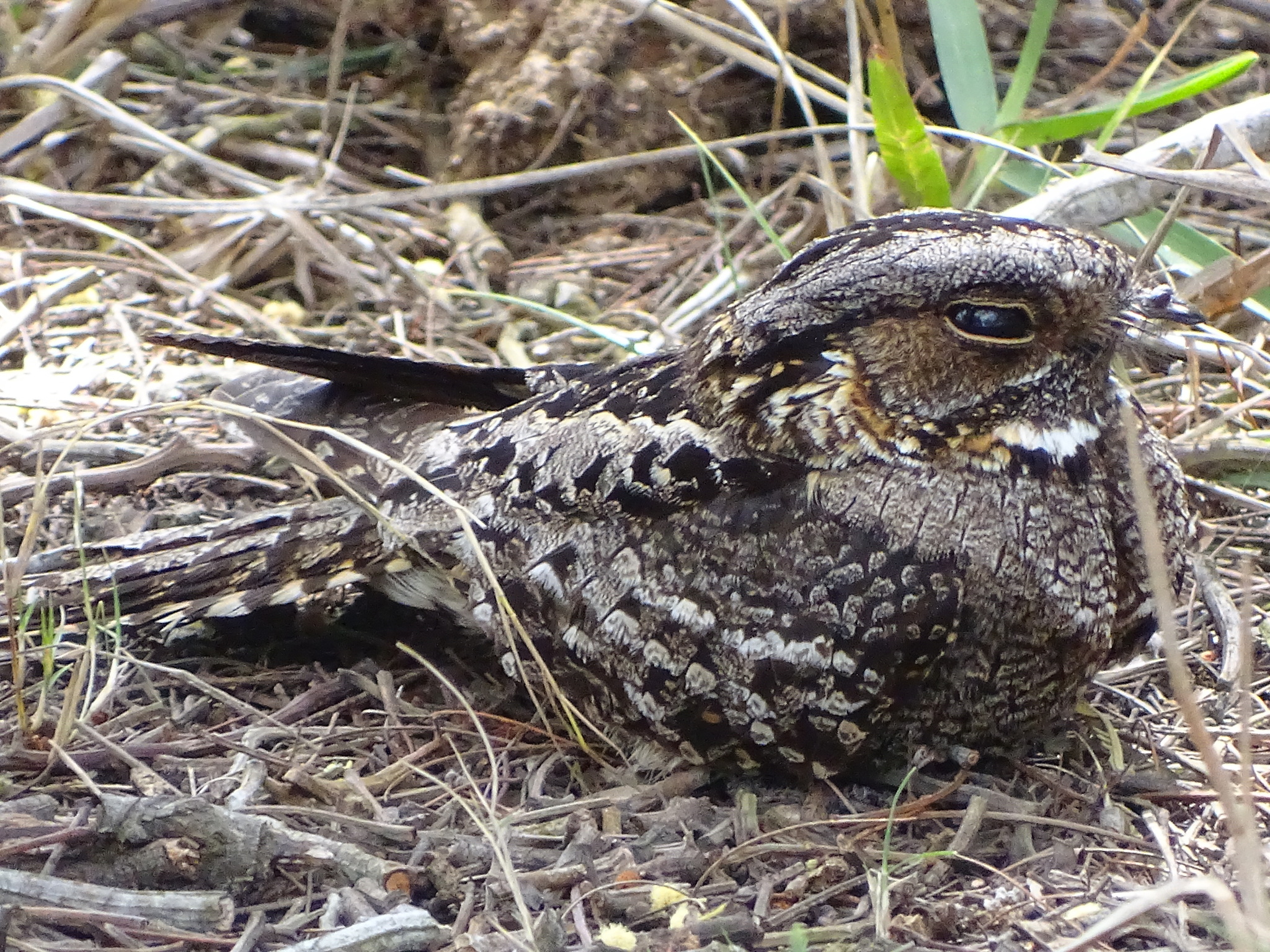
Fiery-necked Nightjar (Caprimulgus pectoralis) Fiery-necked Nightjar
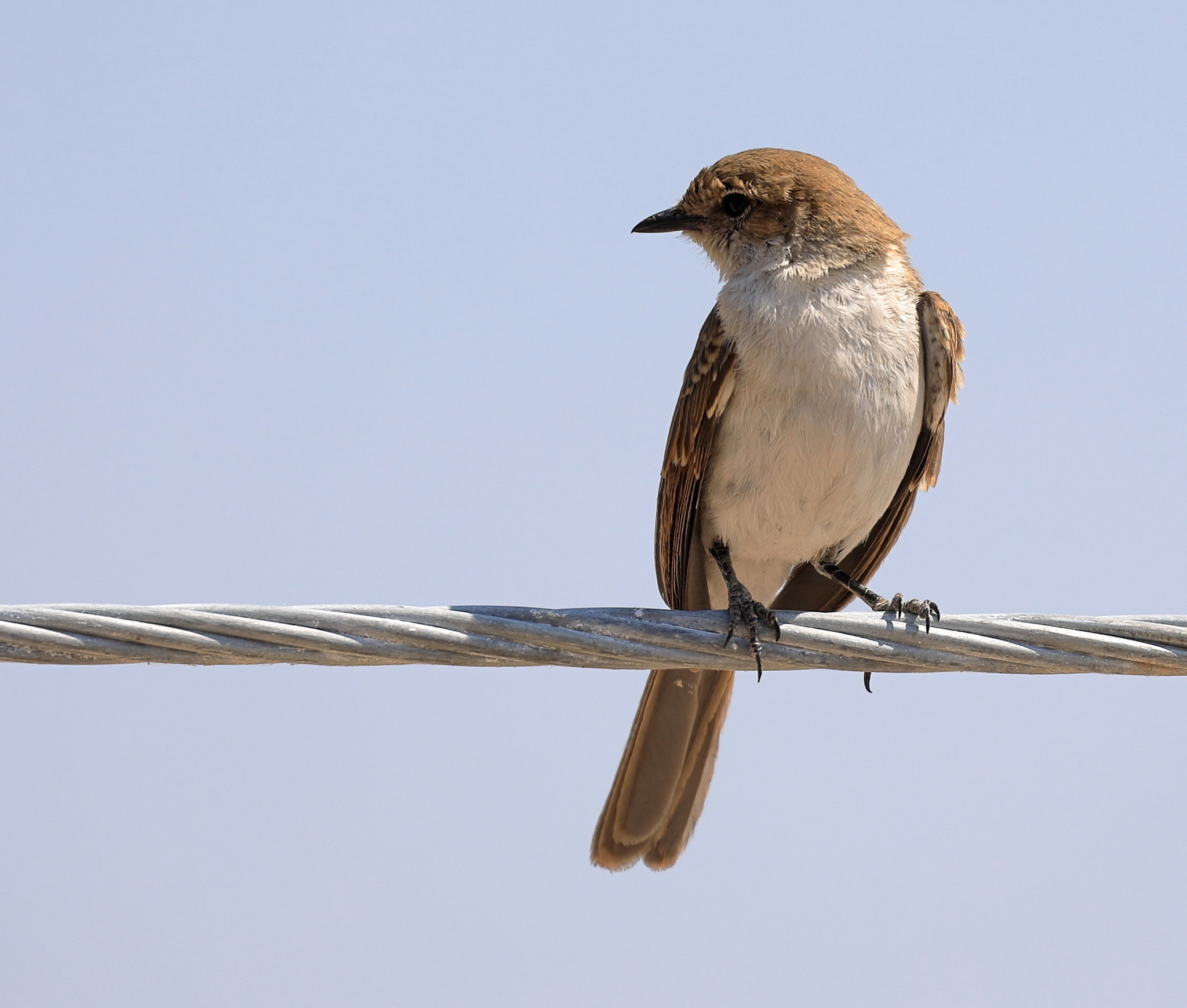
Marico Flycatcher (Bradornis mariquensis) Marico Flycatcher

Media

Loading…

In short

The Fiery-necked Nightjar and Marico Flycatcher are distinct in both appearance and behavior, making them easier to differentiate in the field. The nightjar is a nocturnal bird with cryptic plumage suited for camouflage, while the flycatcher is a diurnal bird with more conspicuous patterns. Observing their activity time and habitat can quickly help distinguish these species.

Identification tips

  1. Time of activity: Nightjars are active at night, flycatchers during the day. 2. Plumage: Look for the fiery collar of the nightjar. 3. Behavior: Nightjars rest on the ground; flycatchers perch on branches. 4. Vocalization: Listen for the nightjar's repetitive call at night.

Size

The Fiery-necked Nightjar is generally larger and more robust than the Marico Flycatcher.

Plumage

The Fiery-necked Nightjar has mottled brown and grey plumage with a distinctive fiery orange collar, whereas the Marico Flycatcher is predominantly grey-brown with a paler underside and lacks the nightjar's intricate patterns.

Behaviour

Fiery-necked Nightjars are nocturnal and often seen resting on the ground during the day, while Marico Flycatchers are active during the day, often seen perching conspicuously on branches.

Habitat

Fiery-necked Nightjars are found in a variety of wooded habitats but avoid dense forests, while Marico Flycatchers prefer open woodlands and savannas, often near acacia trees.

Voice

The Fiery-necked Nightjar has a distinctive, repetitive 'good-lord-deliver-us' call at night, whereas the Marico Flycatcher has a more varied and less repetitive song, often heard during the day.

Submit a better description

Use the same sections as the comparison. Your text is published immediately.

The Fiery-necked Nightjar and Marico Flycatcher are distinct in both appearance and behavior, making them easier to differentiate in the field. The nightjar is a nocturnal bird with cryptic plumage suited for camouflage, while the flycatcher is a diurnal bird with more conspicuous patterns. Observing their activity time and habitat can quickly help distinguish these species.

  1. Time of activity: Nightjars are active at night, flycatchers during the day. 2. Plumage: Look for the fiery collar of the nightjar. 3. Behavior: Nightjars rest on the ground; flycatchers perch on branches. 4. Vocalization: Listen for the nightjar's repetitive call at night.

The Fiery-necked Nightjar is generally larger and more robust than the Marico Flycatcher.

The Fiery-necked Nightjar has mottled brown and grey plumage with a distinctive fiery orange collar, whereas the Marico Flycatcher is predominantly grey-brown with a paler underside and lacks the nightjar's intricate patterns.

Fiery-necked Nightjars are nocturnal and often seen resting on the ground during the day, while Marico Flycatchers are active during the day, often seen perching conspicuously on branches.

Fiery-necked Nightjars are found in a variety of wooded habitats but avoid dense forests, while Marico Flycatchers prefer open woodlands and savannas, often near acacia trees.

The Fiery-necked Nightjar has a distinctive, repetitive 'good-lord-deliver-us' call at night, whereas the Marico Flycatcher has a more varied and less repetitive song, often heard during the day.

Discard your changes?

You have unsaved edits. If you leave now, those changes will be lost.

Fiery-necked Nightjar · Marico Flycatcher · My Tricky Birds