
Fluttering Shearwater vs Subantarctic Shearwater
Puffinus gavia versus Puffinus elegans
Play a quiz with Fluttering Shearwater and Subantarctic Shearwater
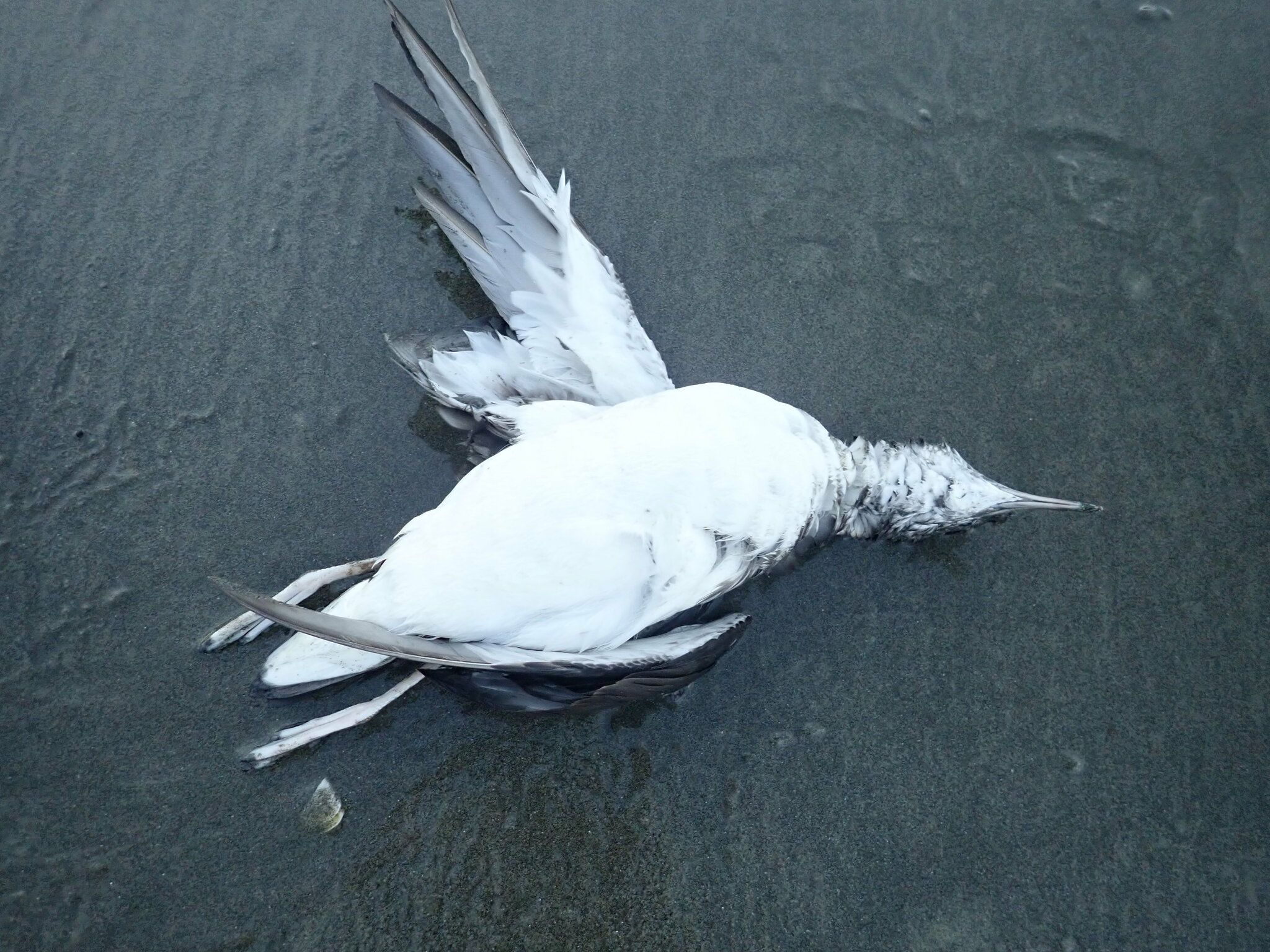 Fluttering Shearwater
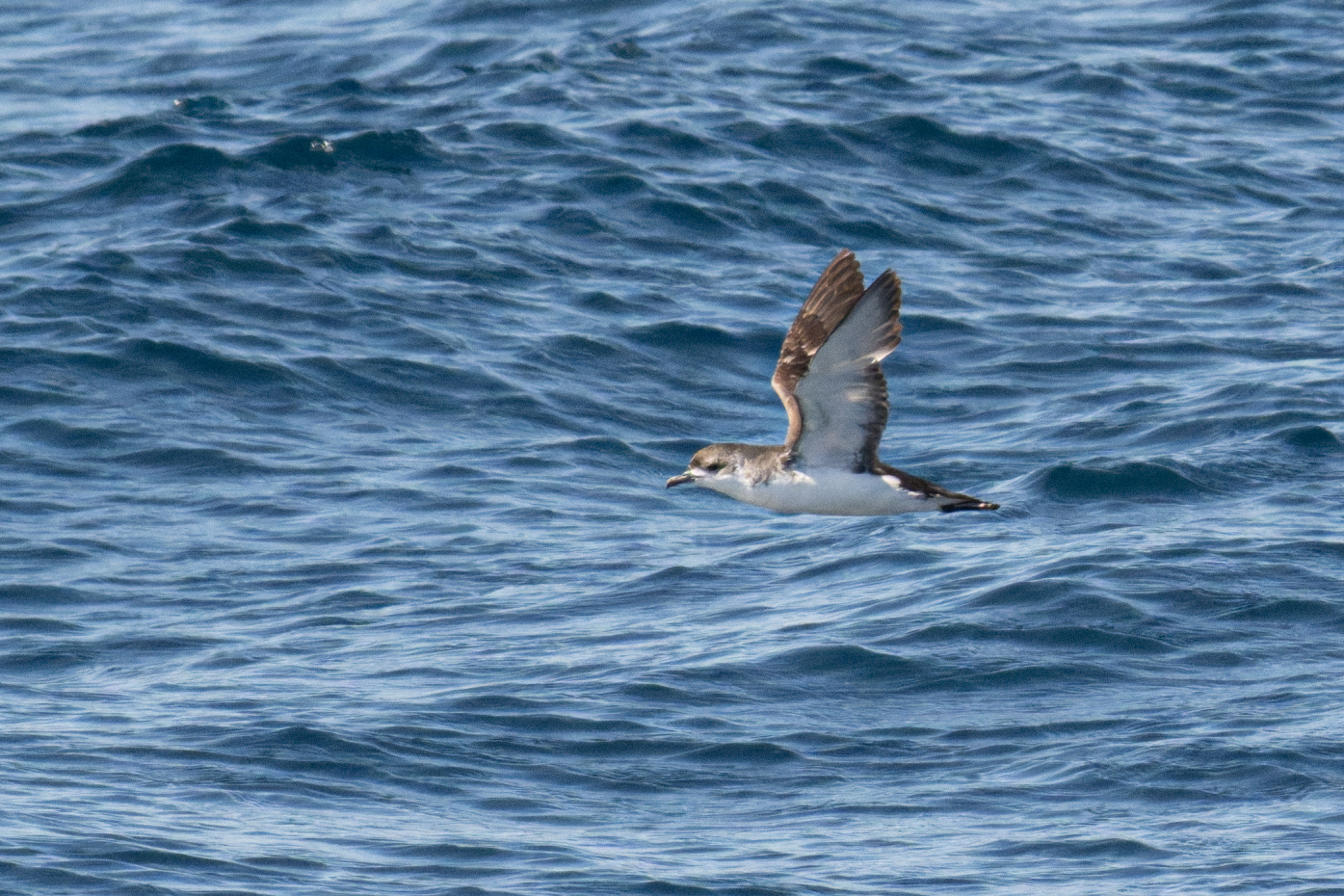 Subantarctic Shearwater
In short
The Fluttering Shearwater and Subantarctic Shearwater are similar in appearance but can be distinguished by subtle differences in structure and plumage. The Fluttering Shearwater typically has a more compact build with a shorter tail, while the Subantarctic Shearwater is slightly more elongated. Observing these shearwaters in their respective habitats can also aid in identification.
Identification tips
- Look for the more compact build and shorter tail of the Fluttering Shearwater. 2. Observe the habitat: coastal waters suggest Fluttering Shearwater, while subantarctic regions suggest Subantarctic Shearwater. 3. Note any subtle plumage differences, such as a more contrasting white face in Fluttering Shearwater, though this can be unreliable.
Size
Fluttering Shearwater is generally more compact with a shorter tail compared to the slightly more elongated Subantarctic Shearwater.
Plumage
Both species have similar dark upperparts and paler underparts, but the Fluttering Shearwater may show a more contrasting white face and throat. These differences can be subtle and are not always reliable.
Behaviour
Both species exhibit similar flight patterns typical of shearwaters, with rapid wingbeats interspersed with glides close to the water surface.
Habitat
Fluttering Shearwater is more commonly found in coastal waters around New Zealand, while Subantarctic Shearwater is typically associated with subantarctic regions.
Fluttering Shearwater · Subantarctic Shearwater · My Tricky Birds