
Foothill Stipplethroat vs Unadorned Flycatcher
Epinecrophylla spodionota versus Myiophobus inornatus
Play a quiz with Foothill Stipplethroat and Unadorned Flycatcher
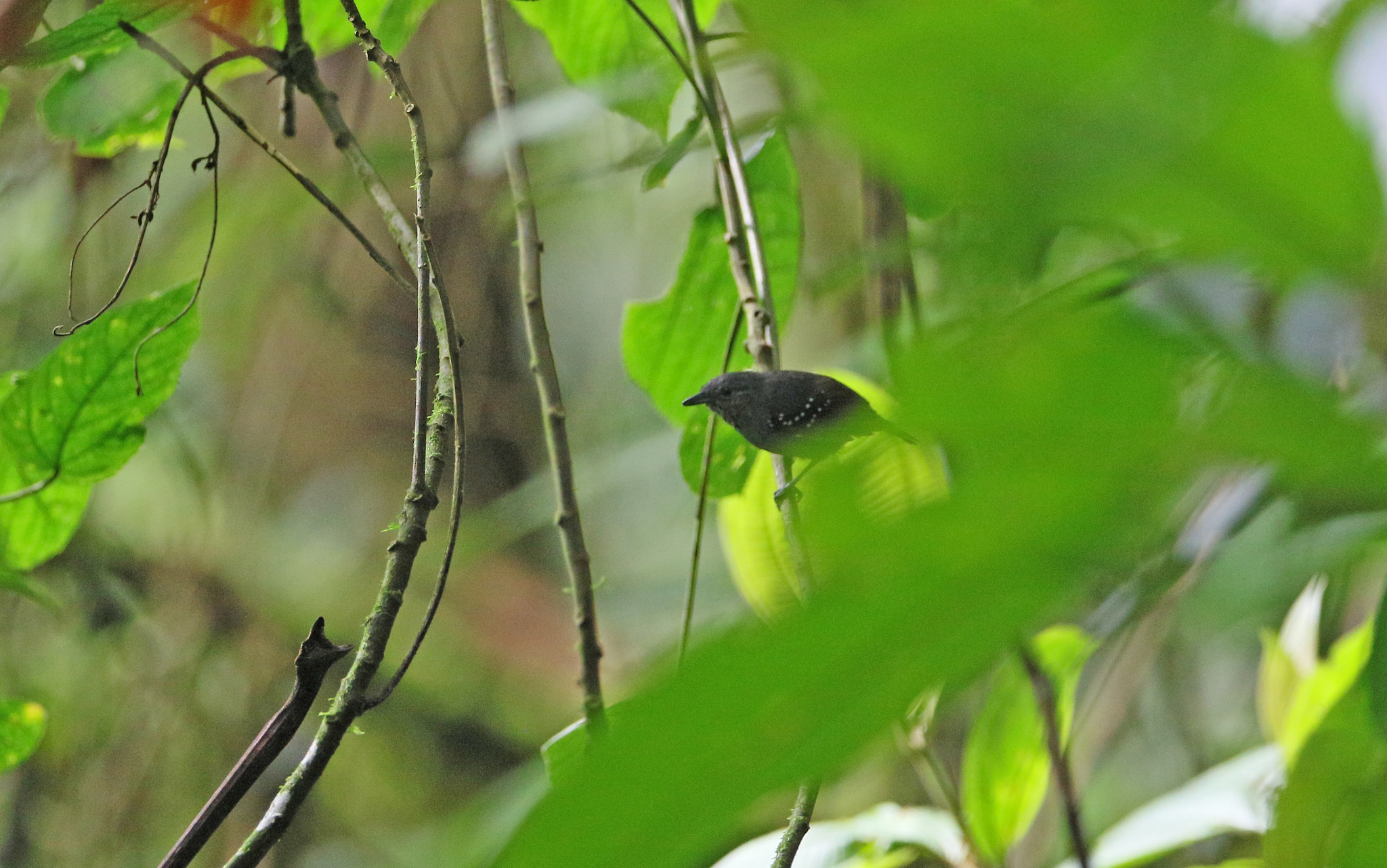 Foothill Stipplethroat
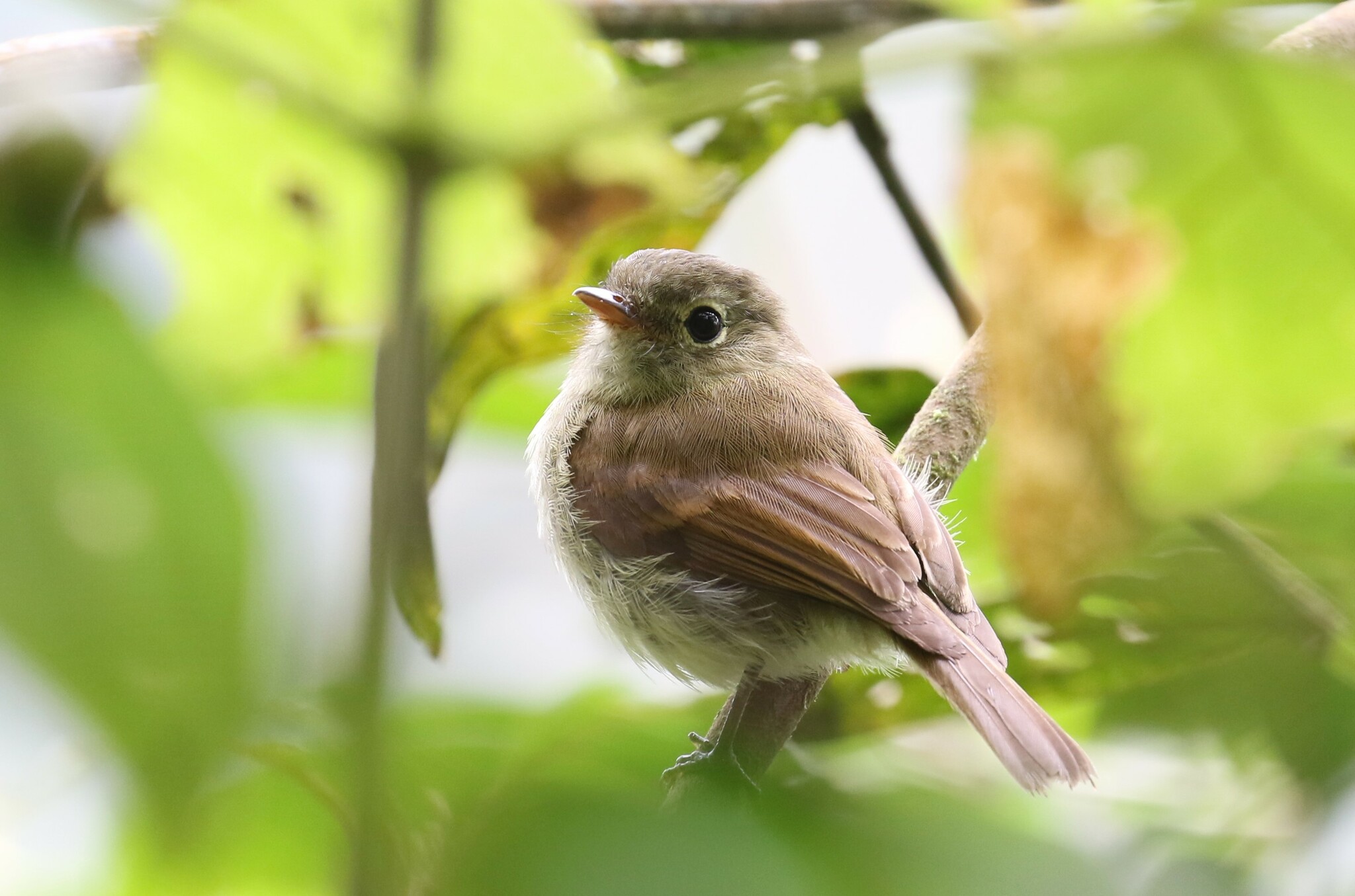 Unadorned Flycatcher
In short
The Foothill Stipplethroat and Unadorned Flycatcher are distinct in structure and behavior. The stipplethroat is an antbird with a more compact body and shorter tail, while the flycatcher is a typical tyrant flycatcher with a more elongated form. Look for differences in habitat preference and behavior to aid identification.
Identification tips
- Structure: Note the compact body and shorter tail of the Foothill Stipplethroat versus the elongated form of the Unadorned Flycatcher. 2. Plumage: Look for the more intricate patterns on the stipplethroat. 3. Behavior: Observe the stipplethroat in mixed-species flocks and the flycatcher sallying for insects. 4. Habitat: Consider elevation and forest type; stipplethroats are more common in foothill forests. 5. Vocalizations: Listen for the more complex calls of the stipplethroat compared to the simpler calls of the flycatcher.
Size
The Foothill Stipplethroat is generally smaller and more compact than the Unadorned Flycatcher, which has a more elongated body and longer tail.
Plumage
The Foothill Stipplethroat has a more intricate plumage pattern typical of antbirds, while the Unadorned Flycatcher is plainer, lacking strong markings.
Behaviour
Foothill Stipplethroats are often seen in mixed-species flocks, foraging in the understory, whereas Unadorned Flycatchers are more solitary and sally for insects from perches.
Habitat
Foothill Stipplethroats prefer foothill forests, often at higher elevations, while Unadorned Flycatchers are found in a variety of forested habitats, including lower elevations.
Voice
The vocalizations of these species differ, with the stipplethroat having a more typical antbird call, while the flycatcher's call is simpler and less varied.
Foothill Stipplethroat · Unadorned Flycatcher · My Tricky Birds