Birdr

Forbes-Watson's Swift vs Little Swift

Apus berliozi versus Apus affinis

Play a quiz with Forbes-Watson's Swift and Little Swift
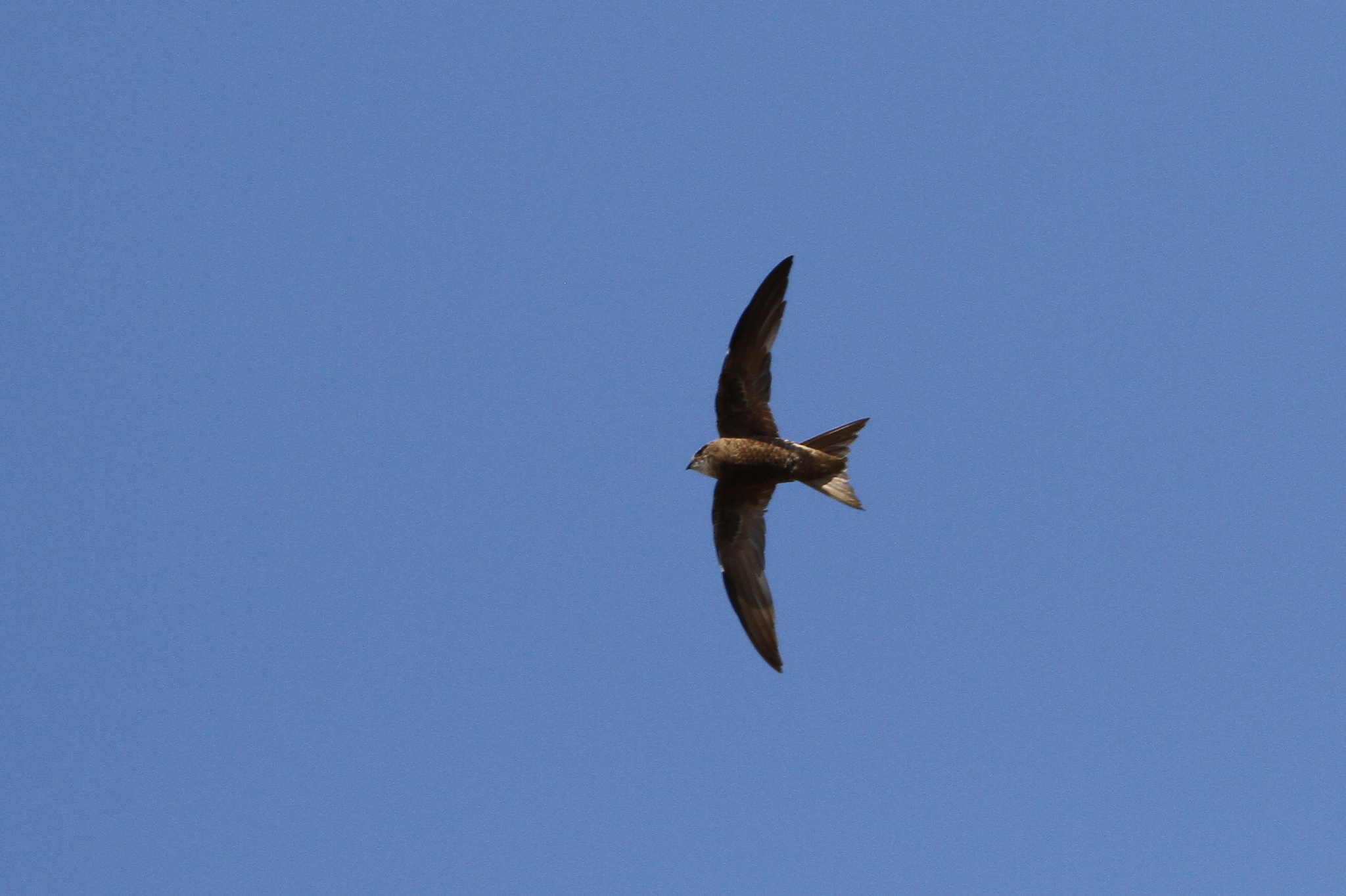
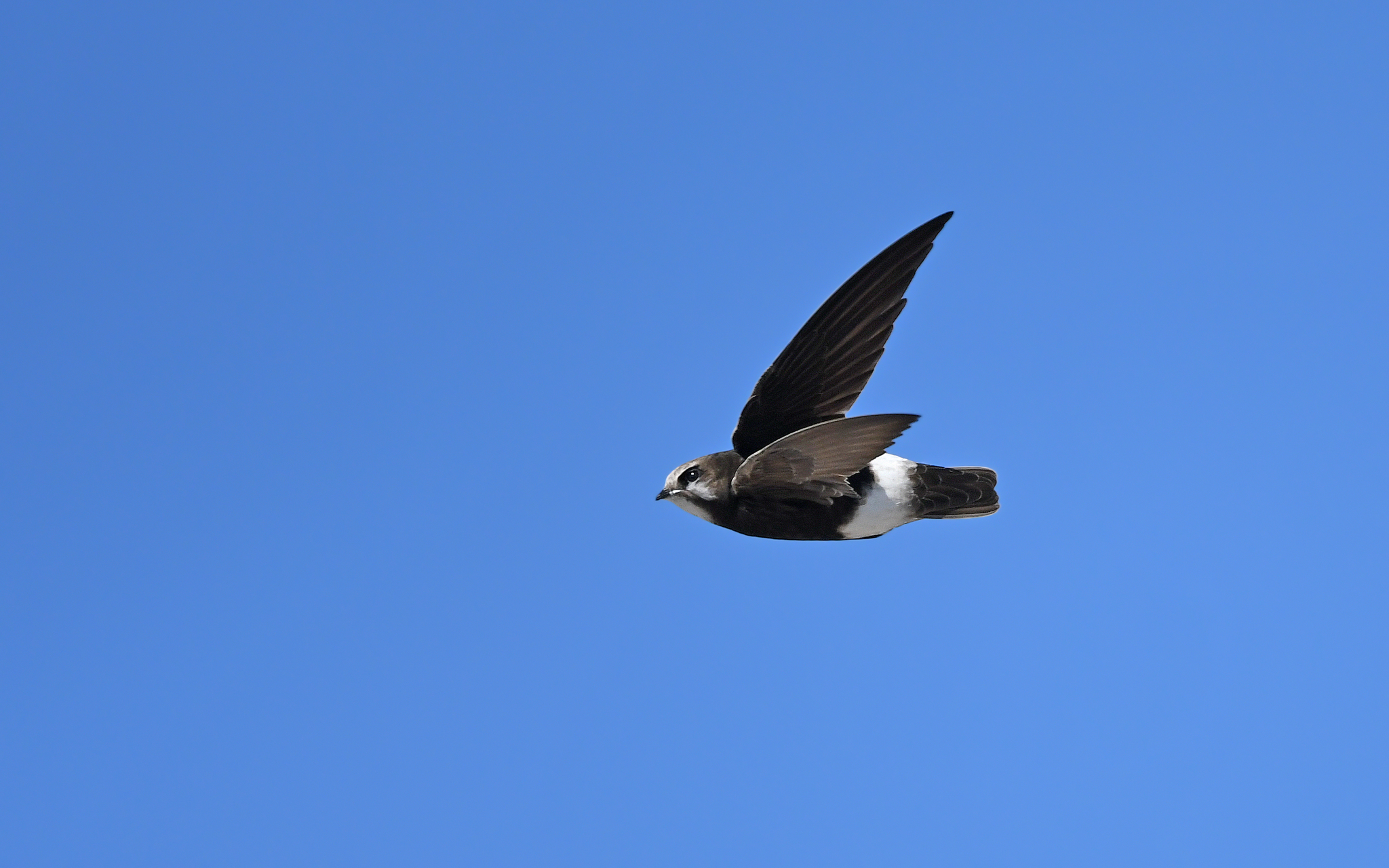
Forbes-Watson's Swift (Apus berliozi) Forbes-Watson's Swift
Little Swift (Apus affinis) Little Swift

Media

Loading…

In short

Forbes-Watson's Swift and Little Swift can be tricky to differentiate, but key differences lie in their tail shape and plumage. Forbes-Watson's Swift typically has a more deeply forked tail, while Little Swift has a squared or slightly notched tail. Observing these features in flight can help distinguish them.

Identification tips

  1. Look for the tail shape: Forbes-Watson's Swift has a more deeply forked tail, while Little Swift's tail is squared or slightly notched. 2. Check for a white rump patch, which is present in Little Swift but absent in Forbes-Watson's Swift. 3. Consider the habitat: Little Swift may be seen in urban areas, whereas Forbes-Watson's Swift is more coastal.

Size

Both species are similar in size, but Little Swift is slightly smaller.

Plumage

Forbes-Watson's Swift generally shows a more uniform dark plumage, while Little Swift often has a contrasting white rump patch. This white rump is a reliable field mark for Little Swift.

Behaviour

Both species exhibit similar swift-like flight patterns, characterized by rapid, agile flight with quick wingbeats.

Habitat

Forbes-Watson's Swift is often found in coastal areas and islands, whereas Little Swift is more adaptable, found in a variety of habitats including urban areas.

Voice

Vocalizations are not a primary distinguishing feature between these two swifts, as both have similar high-pitched calls.

Submit a better description

Use the same sections as the comparison. Your text is published immediately.

Forbes-Watson's Swift and Little Swift can be tricky to differentiate, but key differences lie in their tail shape and plumage. Forbes-Watson's Swift typically has a more deeply forked tail, while Little Swift has a squared or slightly notched tail. Observing these features in flight can help distinguish them.

  1. Look for the tail shape: Forbes-Watson's Swift has a more deeply forked tail, while Little Swift's tail is squared or slightly notched. 2. Check for a white rump patch, which is present in Little Swift but absent in Forbes-Watson's Swift. 3. Consider the habitat: Little Swift may be seen in urban areas, whereas Forbes-Watson's Swift is more coastal.

Both species are similar in size, but Little Swift is slightly smaller.

Forbes-Watson's Swift generally shows a more uniform dark plumage, while Little Swift often has a contrasting white rump patch. This white rump is a reliable field mark for Little Swift.

Both species exhibit similar swift-like flight patterns, characterized by rapid, agile flight with quick wingbeats.

Forbes-Watson's Swift is often found in coastal areas and islands, whereas Little Swift is more adaptable, found in a variety of habitats including urban areas.

Vocalizations are not a primary distinguishing feature between these two swifts, as both have similar high-pitched calls.

Discard your changes?

You have unsaved edits. If you leave now, those changes will be lost.

Forbes-Watson's Swift · Little Swift · My Tricky Birds