Birdr

Forest Buzzard vs Jackal Buzzard

Buteo trizonatus versus Buteo rufofuscus

Play a quiz with Forest Buzzard and Jackal Buzzard
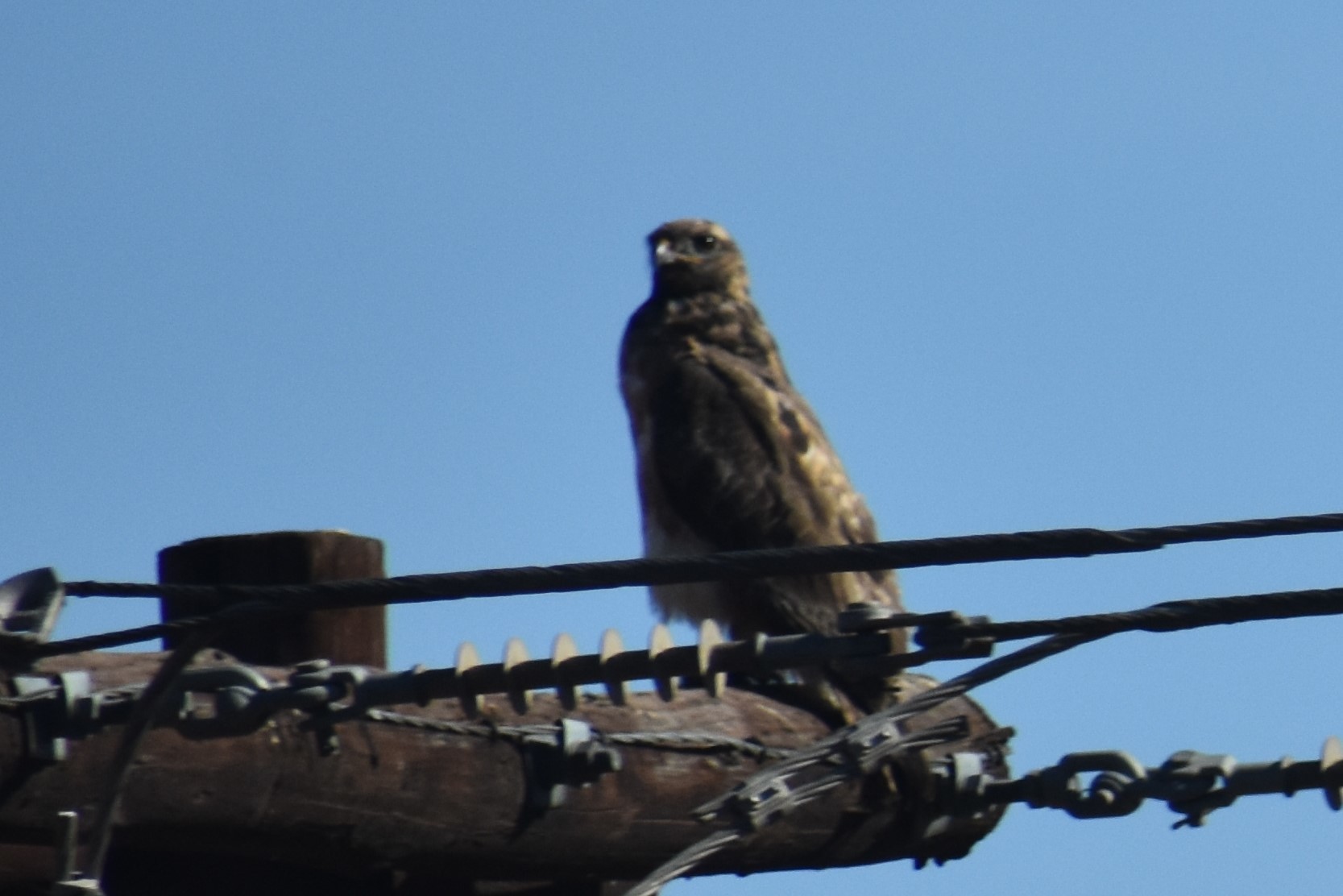
Forest Buzzard (Buteo trizonatus) Forest Buzzard
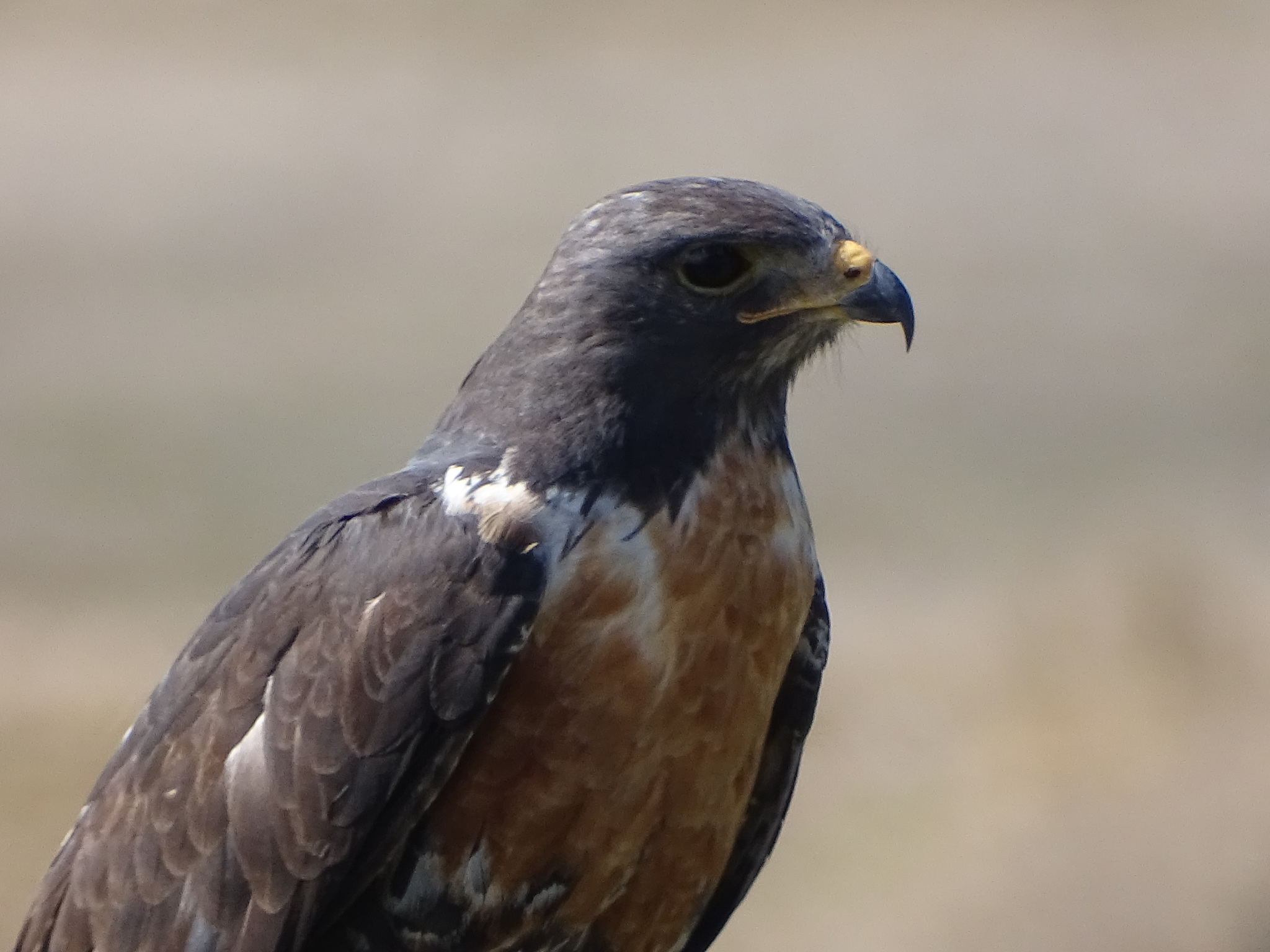
Jackal Buzzard (Buteo rufofuscus) Jackal Buzzard

Media

Loading…

In short

The Forest Buzzard and Jackal Buzzard are similar in structure, but the Jackal Buzzard is larger and more robust. Key differences include the Jackal Buzzard's distinctive rufous tail and more contrasting plumage. Vocalizations can also help, as the Jackal Buzzard has a more varied call.

Identification tips

  1. Size and structure: Look for the larger size and more robust build of the Jackal Buzzard. 2. Tail color: The Jackal Buzzard's rufous tail is a key identifier. 3. Plumage contrast: Note the more contrasting plumage of the Jackal Buzzard, with a darker head and chest. 4. Habitat preference: Consider the habitat; Forest Buzzards are more likely in wooded areas, while Jackal Buzzards favor open areas. 5. Vocalizations: Listen for the more varied calls of the Jackal Buzzard.

Size

The Jackal Buzzard is noticeably larger and more robust than the Forest Buzzard.

Plumage

The Forest Buzzard typically has a more uniform brown plumage with less contrast, while the Jackal Buzzard features a striking rufous tail and more contrasting underparts with a darker head and chest.

Behaviour

Both species exhibit similar soaring behavior, but the Jackal Buzzard may appear more dominant due to its size.

Habitat

Forest Buzzards are more often found in forested areas, while Jackal Buzzards prefer open landscapes such as grasslands and savannas.

Voice

The Jackal Buzzard has a more varied and complex call compared to the Forest Buzzard, which has a simpler, less varied vocalization.

Submit a better description

Use the same sections as the comparison. Your text is published immediately.

The Forest Buzzard and Jackal Buzzard are similar in structure, but the Jackal Buzzard is larger and more robust. Key differences include the Jackal Buzzard's distinctive rufous tail and more contrasting plumage. Vocalizations can also help, as the Jackal Buzzard has a more varied call.

  1. Size and structure: Look for the larger size and more robust build of the Jackal Buzzard. 2. Tail color: The Jackal Buzzard's rufous tail is a key identifier. 3. Plumage contrast: Note the more contrasting plumage of the Jackal Buzzard, with a darker head and chest. 4. Habitat preference: Consider the habitat; Forest Buzzards are more likely in wooded areas, while Jackal Buzzards favor open areas. 5. Vocalizations: Listen for the more varied calls of the Jackal Buzzard.

The Jackal Buzzard is noticeably larger and more robust than the Forest Buzzard.

The Forest Buzzard typically has a more uniform brown plumage with less contrast, while the Jackal Buzzard features a striking rufous tail and more contrasting underparts with a darker head and chest.

Both species exhibit similar soaring behavior, but the Jackal Buzzard may appear more dominant due to its size.

Forest Buzzards are more often found in forested areas, while Jackal Buzzards prefer open landscapes such as grasslands and savannas.

The Jackal Buzzard has a more varied and complex call compared to the Forest Buzzard, which has a simpler, less varied vocalization.

Discard your changes?

You have unsaved edits. If you leave now, those changes will be lost.

Forest Buzzard · Jackal Buzzard · My Tricky Birds