
Fork-tailed Flycatcher vs Pied Wagtail/White Wagtail
Tyrannus savana versus Motacilla alba
Play a quiz with Fork-tailed Flycatcher and Pied Wagtail/White Wagtail
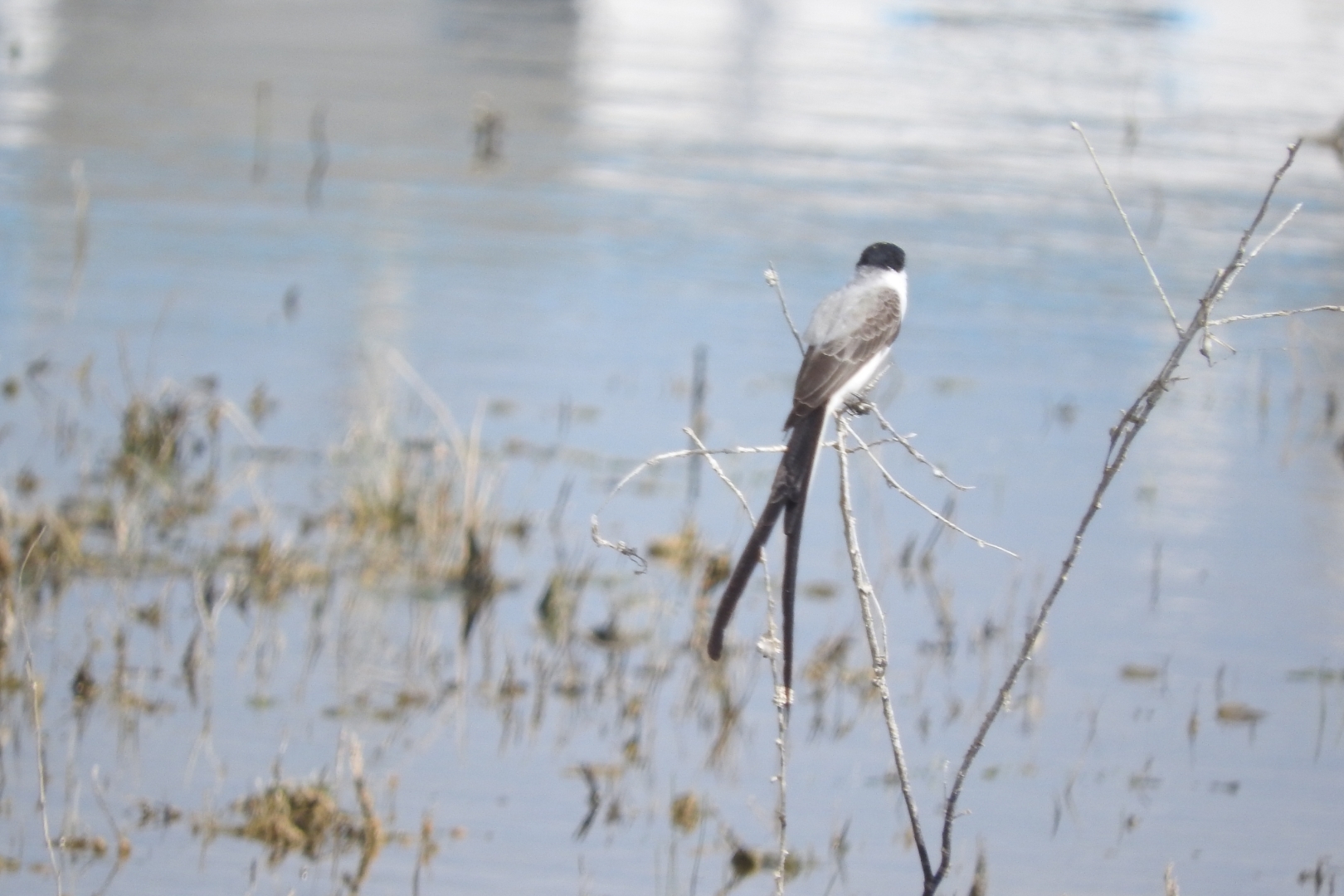 Fork-tailed Flycatcher
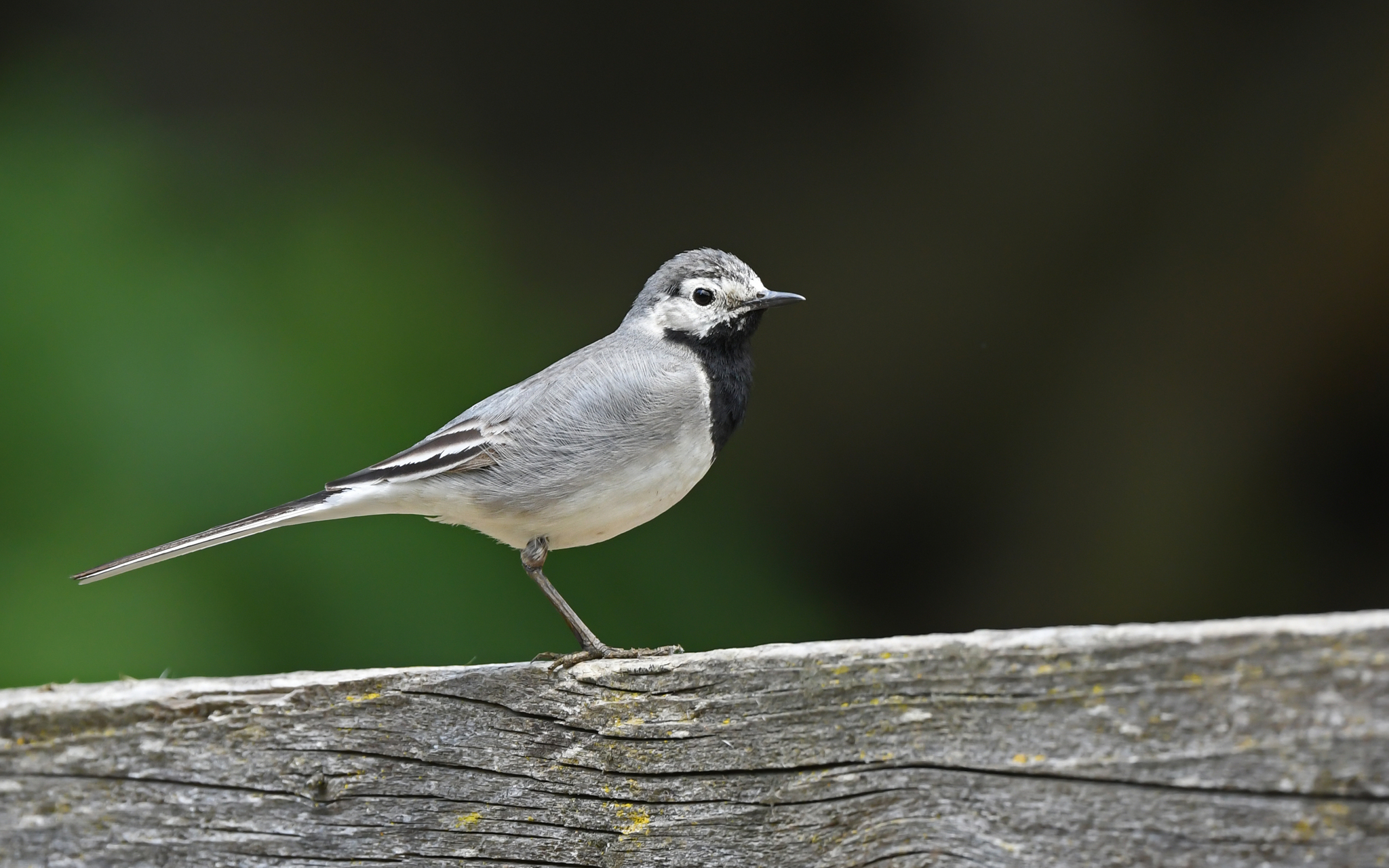 Pied Wagtail/White Wagtail
In short
The Fork-tailed Flycatcher and the Pied/White Wagtail are distinct in both appearance and behavior. The Fork-tailed Flycatcher is notable for its long, deeply forked tail, while the Pied/White Wagtail is recognized by its wagging tail and contrasting black, white, and gray plumage.
Identification tips
- Tail Shape: Look for the Fork-tailed Flycatcher's long, deeply forked tail versus the shorter, straight tail of the Pied/White Wagtail. 2. Plumage: Note the black cap and white underparts of the Fork-tailed Flycatcher compared to the Pied/White Wagtail's black and white face pattern and gray back. 3. Behavior: Observe the flycatcher's aerial insect hunting versus the wagtail's ground foraging and tail wagging.
Size
The Fork-tailed Flycatcher is generally larger with a more robust build compared to the slender Pied/White Wagtail.
Plumage
The Fork-tailed Flycatcher has a strikingly long, forked tail and a mostly white underside with a black cap. In contrast, the Pied/White Wagtail has a simpler black and white pattern with a gray back and lacks the long tail.
Behaviour
Fork-tailed Flycatchers often sally from perches to catch insects, while Pied/White Wagtails are frequently seen walking or running on the ground, wagging their tails.
Habitat
Fork-tailed Flycatchers are typically found in open areas, often near water, in tropical and subtropical regions. Pied/White Wagtails are more versatile, found near rivers, coasts, and human settlements across a wide range.
Voice
Vocalizations are not a primary distinguishing feature. Both species have simple calls, but they are not easily confused by sound alone.
Fork-tailed Flycatcher · Pied Wagtail/White Wagtail · My Tricky Birds