Birdr

Freckled Nightjar vs Common Redshank

Caprimulgus tristigma versus Tringa totanus

Play a quiz with Freckled Nightjar and Common Redshank
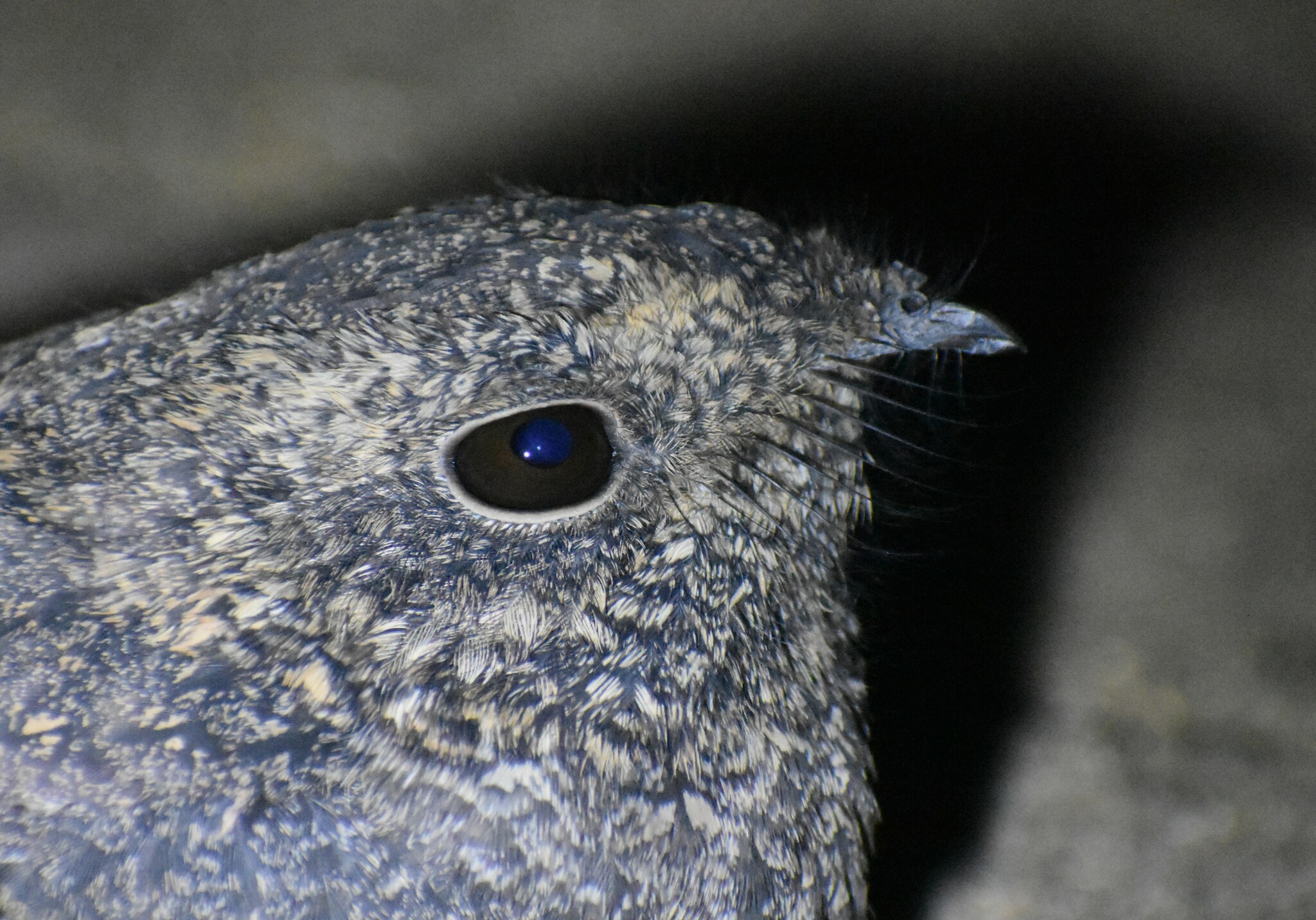
Freckled Nightjar (Caprimulgus tristigma) Freckled Nightjar
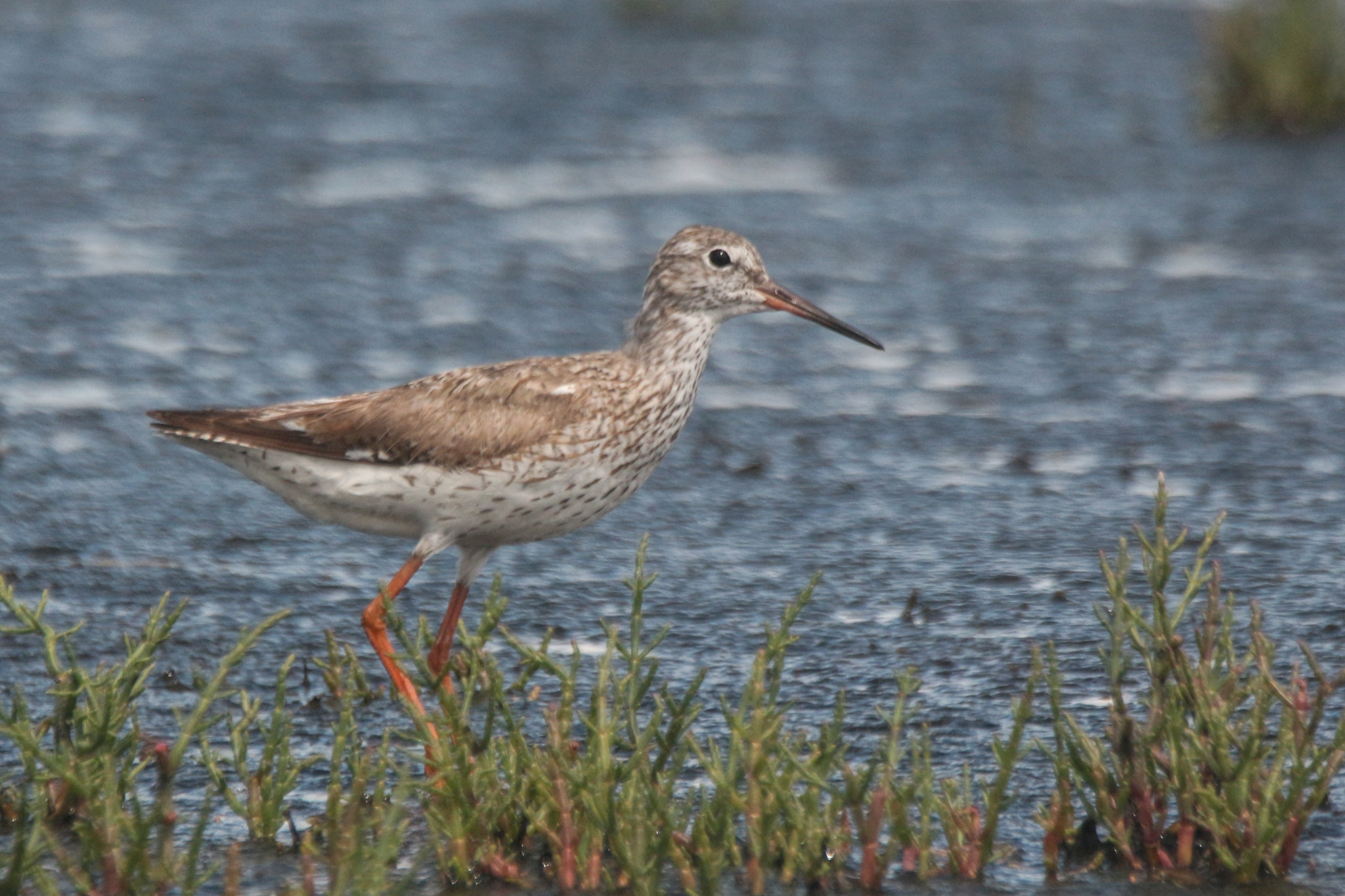
Common Redshank (Tringa totanus) Common Redshank

Media

Loading…

In short

The Freckled Nightjar and Common Redshank are unlikely to be confused due to their distinct habitats and appearances. The nightjar is a cryptic, rock-dwelling bird, while the redshank is a wader often found in wetlands. Their behaviors and vocalizations also differ significantly.

Identification tips

1. Habitat: Check the habitat; rocky areas suggest Freckled Nightjar, wetlands suggest Common Redshank. 2. Legs: Look for red legs in the Common Redshank. 3. Activity Time: Note the time of activity; nightjars are nocturnal, redshanks are diurnal. 4. Flight Pattern: Observe flight; redshanks show a white rump and wingbar, nightjars are more cryptic.

Size

The Freckled Nightjar is smaller and more compact compared to the larger, lankier Common Redshank.

Plumage

Freckled Nightjar has mottled brown plumage that blends with rocky environments, while the Common Redshank is greyish-brown with distinctive red legs and a white rump visible in flight.

Behaviour

Freckled Nightjars are nocturnal and often remain motionless on rocks during the day. Common Redshanks are active during the day, foraging in shallow waters.

Habitat

Freckled Nightjars are found in rocky areas and sometimes urban environments, whereas Common Redshanks inhabit wetlands, mudflats, and marshes.

Voice

Freckled Nightjars have a soft, repetitive call, while Common Redshanks are known for their loud, piping calls.

Submit a better description

Use the same sections as the comparison. Your text is published immediately.

The Freckled Nightjar and Common Redshank are unlikely to be confused due to their distinct habitats and appearances. The nightjar is a cryptic, rock-dwelling bird, while the redshank is a wader often found in wetlands. Their behaviors and vocalizations also differ significantly.

1. Habitat: Check the habitat; rocky areas suggest Freckled Nightjar, wetlands suggest Common Redshank. 2. Legs: Look for red legs in the Common Redshank. 3. Activity Time: Note the time of activity; nightjars are nocturnal, redshanks are diurnal. 4. Flight Pattern: Observe flight; redshanks show a white rump and wingbar, nightjars are more cryptic.

The Freckled Nightjar is smaller and more compact compared to the larger, lankier Common Redshank.

Freckled Nightjar has mottled brown plumage that blends with rocky environments, while the Common Redshank is greyish-brown with distinctive red legs and a white rump visible in flight.

Freckled Nightjars are nocturnal and often remain motionless on rocks during the day. Common Redshanks are active during the day, foraging in shallow waters.

Freckled Nightjars are found in rocky areas and sometimes urban environments, whereas Common Redshanks inhabit wetlands, mudflats, and marshes.

Freckled Nightjars have a soft, repetitive call, while Common Redshanks are known for their loud, piping calls.

Discard your changes?

You have unsaved edits. If you leave now, those changes will be lost.

Freckled Nightjar · Common Redshank · My Tricky Birds