Birdr

Fulvous Whistling-Duck vs Siberian Thrush

Dendrocygna bicolor versus Geokichla sibirica

Play a quiz with Fulvous Whistling-Duck and Siberian Thrush
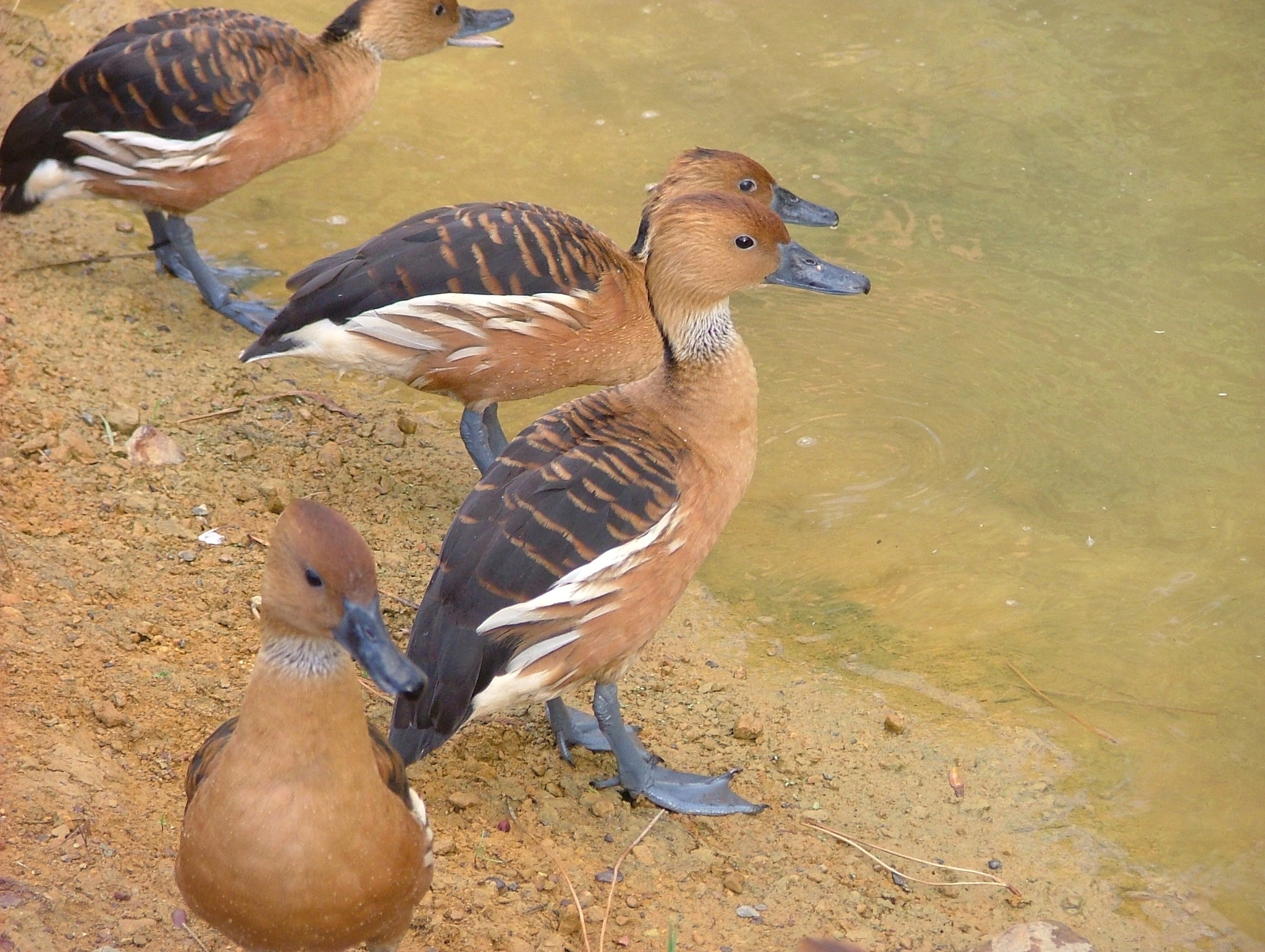
Fulvous Whistling-Duck (Dendrocygna bicolor) Fulvous Whistling-Duck
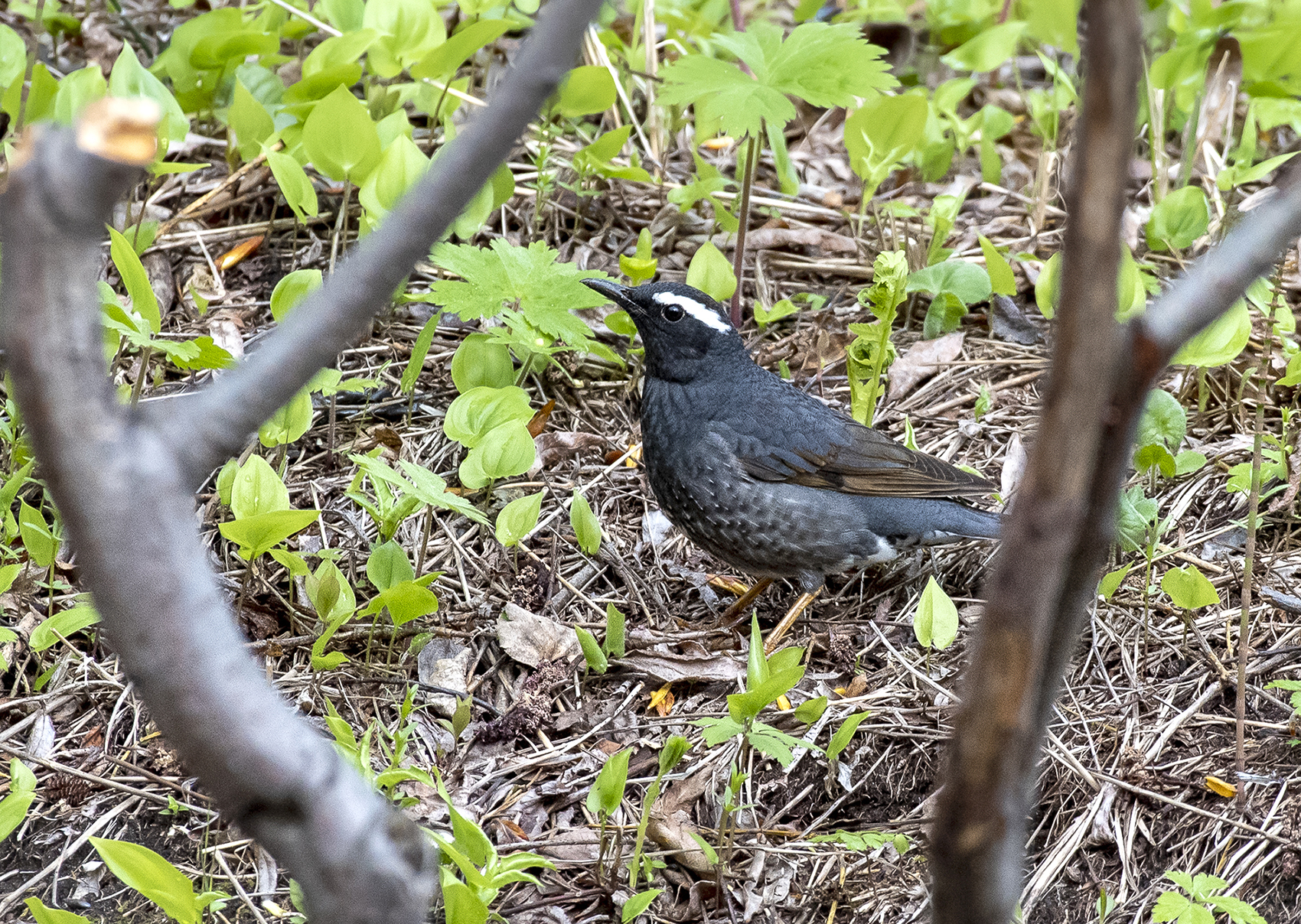
Siberian Thrush (Geokichla sibirica) Siberian Thrush

Media

Loading…

In short

The Fulvous Whistling-Duck and Siberian Thrush are easily distinguished by their habitat and appearance. The duck is a waterfowl with a distinctive fulvous coloration, while the thrush is a forest-dwelling songbird with a more subdued plumage. They are not closely related, making their structural differences pronounced.

Identification tips

1. Habitat: Look for Fulvous Whistling-Ducks in wetland areas, particularly rice fields, and Siberian Thrushes in forested areas. 2. Size and Shape: Note the larger, robust body of the duck versus the smaller, slender thrush. 3. Plumage: The duck's fulvous coloration is a key identifier, while the thrush's darker, more subdued tones are distinctive. 4. Behavior: Observe flocking behavior in ducks and solitary or small group behavior in thrushes. 5. Vocalization: Listen for the duck's raspy call, especially at night.

Size

Fulvous Whistling-Duck is larger, with a more robust body typical of waterfowl, while the Siberian Thrush is smaller and more slender, characteristic of thrushes.

Plumage

The Fulvous Whistling-Duck has a striking fulvous (tawny) body with dark wings and back. In contrast, the Siberian Thrush is more muted, with dark blue or blackish upperparts and white underparts in males, and brownish tones in females.

Behaviour

Fulvous Whistling-Ducks are often seen in flocks, especially in rice fields, while Siberian Thrushes are more solitary or found in small groups, often foraging on the forest floor.

Habitat

Fulvous Whistling-Ducks inhabit wetlands, especially rice fields, while Siberian Thrushes are found in dense forests, particularly during migration.

Voice

Fulvous Whistling-Ducks have a distinctive two-noted raspy call, often heard at night. Siberian Thrush vocalizations are not well-documented but are typical of thrushes, involving melodious songs.

Submit a better description

Use the same sections as the comparison. Your text is published immediately.

The Fulvous Whistling-Duck and Siberian Thrush are easily distinguished by their habitat and appearance. The duck is a waterfowl with a distinctive fulvous coloration, while the thrush is a forest-dwelling songbird with a more subdued plumage. They are not closely related, making their structural differences pronounced.

1. Habitat: Look for Fulvous Whistling-Ducks in wetland areas, particularly rice fields, and Siberian Thrushes in forested areas. 2. Size and Shape: Note the larger, robust body of the duck versus the smaller, slender thrush. 3. Plumage: The duck's fulvous coloration is a key identifier, while the thrush's darker, more subdued tones are distinctive. 4. Behavior: Observe flocking behavior in ducks and solitary or small group behavior in thrushes. 5. Vocalization: Listen for the duck's raspy call, especially at night.

Fulvous Whistling-Duck is larger, with a more robust body typical of waterfowl, while the Siberian Thrush is smaller and more slender, characteristic of thrushes.

The Fulvous Whistling-Duck has a striking fulvous (tawny) body with dark wings and back. In contrast, the Siberian Thrush is more muted, with dark blue or blackish upperparts and white underparts in males, and brownish tones in females.

Fulvous Whistling-Ducks are often seen in flocks, especially in rice fields, while Siberian Thrushes are more solitary or found in small groups, often foraging on the forest floor.

Fulvous Whistling-Ducks inhabit wetlands, especially rice fields, while Siberian Thrushes are found in dense forests, particularly during migration.

Fulvous Whistling-Ducks have a distinctive two-noted raspy call, often heard at night. Siberian Thrush vocalizations are not well-documented but are typical of thrushes, involving melodious songs.

Discard your changes?

You have unsaved edits. If you leave now, those changes will be lost.

Fulvous Whistling-Duck · Siberian Thrush · My Tricky Birds