
Giant Conebill vs Blue-backed Conebill
Conirostrum binghami versus Conirostrum sitticolor
Play a quiz with Giant Conebill and Blue-backed Conebill
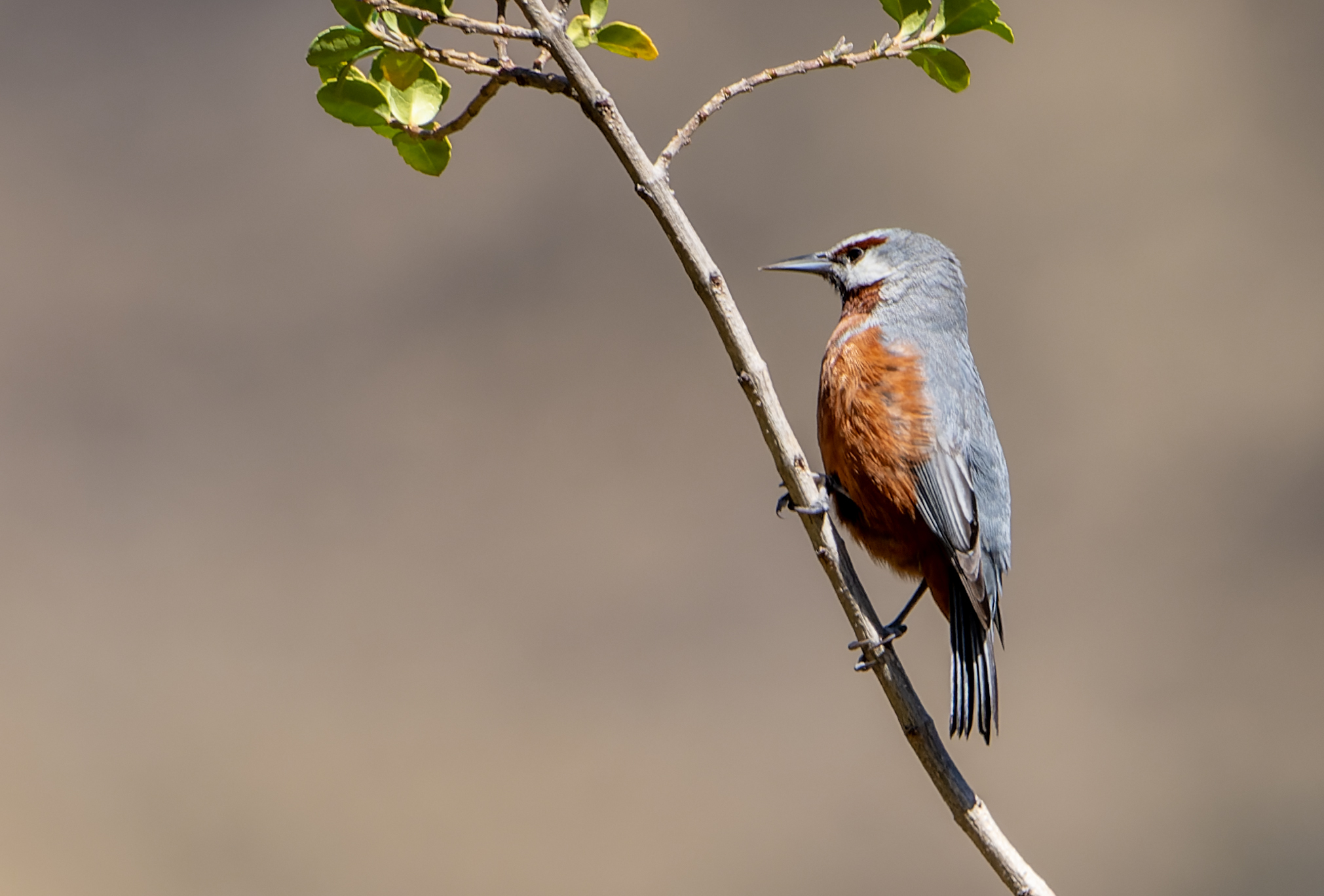 Giant Conebill
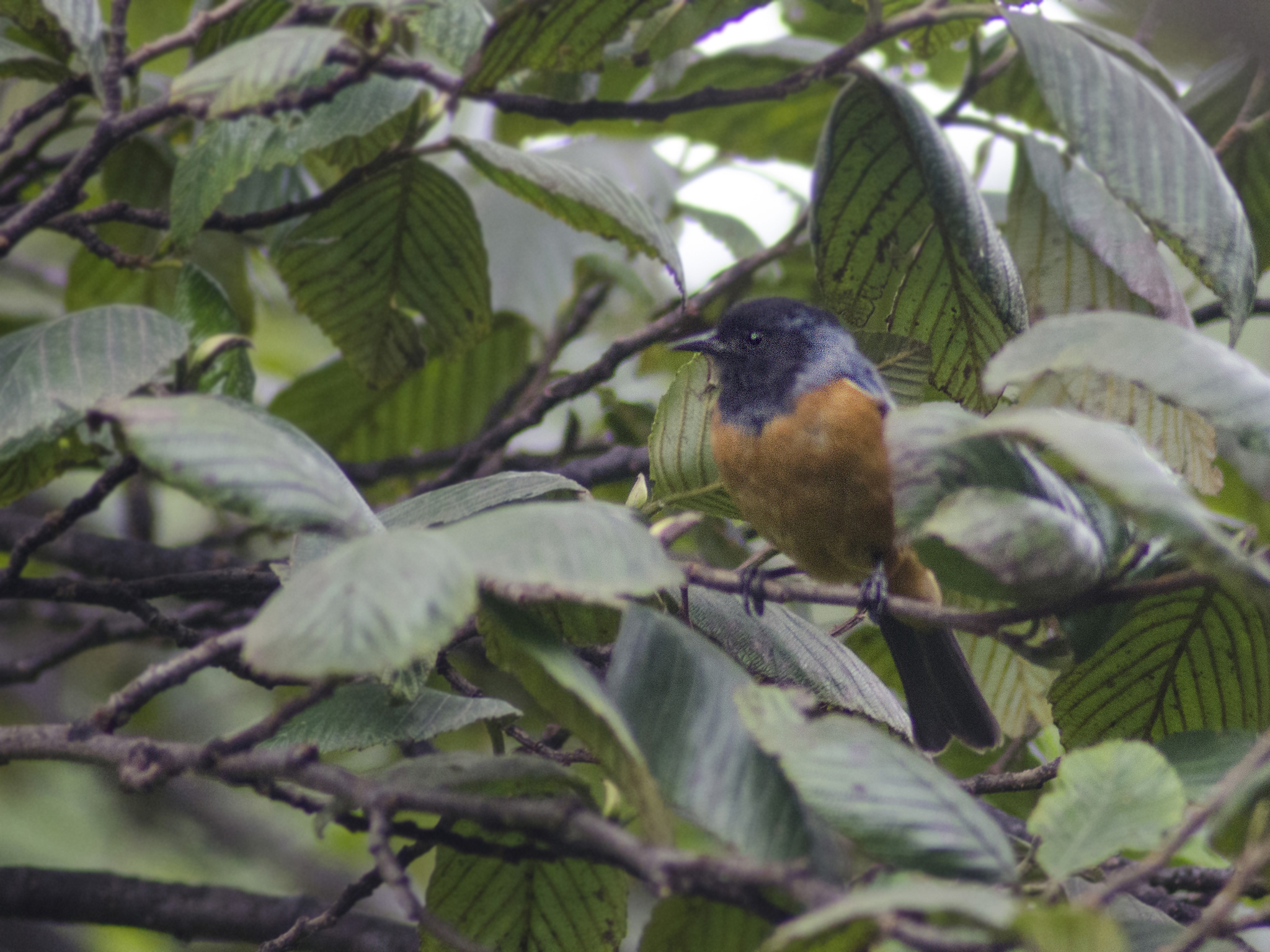 Blue-backed Conebill
In short
The Giant Conebill and Blue-backed Conebill are both small, high-elevation tanagers with pointed bills. The Giant Conebill is more robust with a gray-blue back and chestnut underparts, while the Blue-backed Conebill is distinguished by its deep blue upperparts and black crown. Both species have sharply pointed bills typical of the genus.
Identification tips
- Look for the Giant Conebill's white cheek patches and chestnut underparts. 2. Note the Blue-backed Conebill's deep blue upperparts and black crown. 3. Observe behavior: Giant Conebills creep along tree boughs, while Blue-backed Conebills perch more openly. 4. Consider habitat: Giant Conebills are tied to specific high-elevation woodlands.
Size
Both species are similar in size, but the Giant Conebill appears more robust and rotund compared to the more slender Blue-backed Conebill.
Plumage
The Giant Conebill has a dark gray-blue back, chestnut underparts, and large white cheek patches. In contrast, the Blue-backed Conebill features deep, bright blue upperparts, a black crown, face, and throat, and rufous-red underparts.
Behaviour
Giant Conebills behave like nuthatches, creeping along tree boughs and probing bark for arthropods. Blue-backed Conebills often perch in the open and are seen in flocks.
Habitat
Giant Conebills are habitat specialists, found in high-elevation woodlands and rarely outside forest patches. Blue-backed Conebills are also found at high elevations but are more adaptable to different forest types.