
Great Blue Heron vs Northern Harrier
Ardea herodias versus Circus hudsonius
Play a quiz with Great Blue Heron and Northern Harrier
 Great Blue Heron
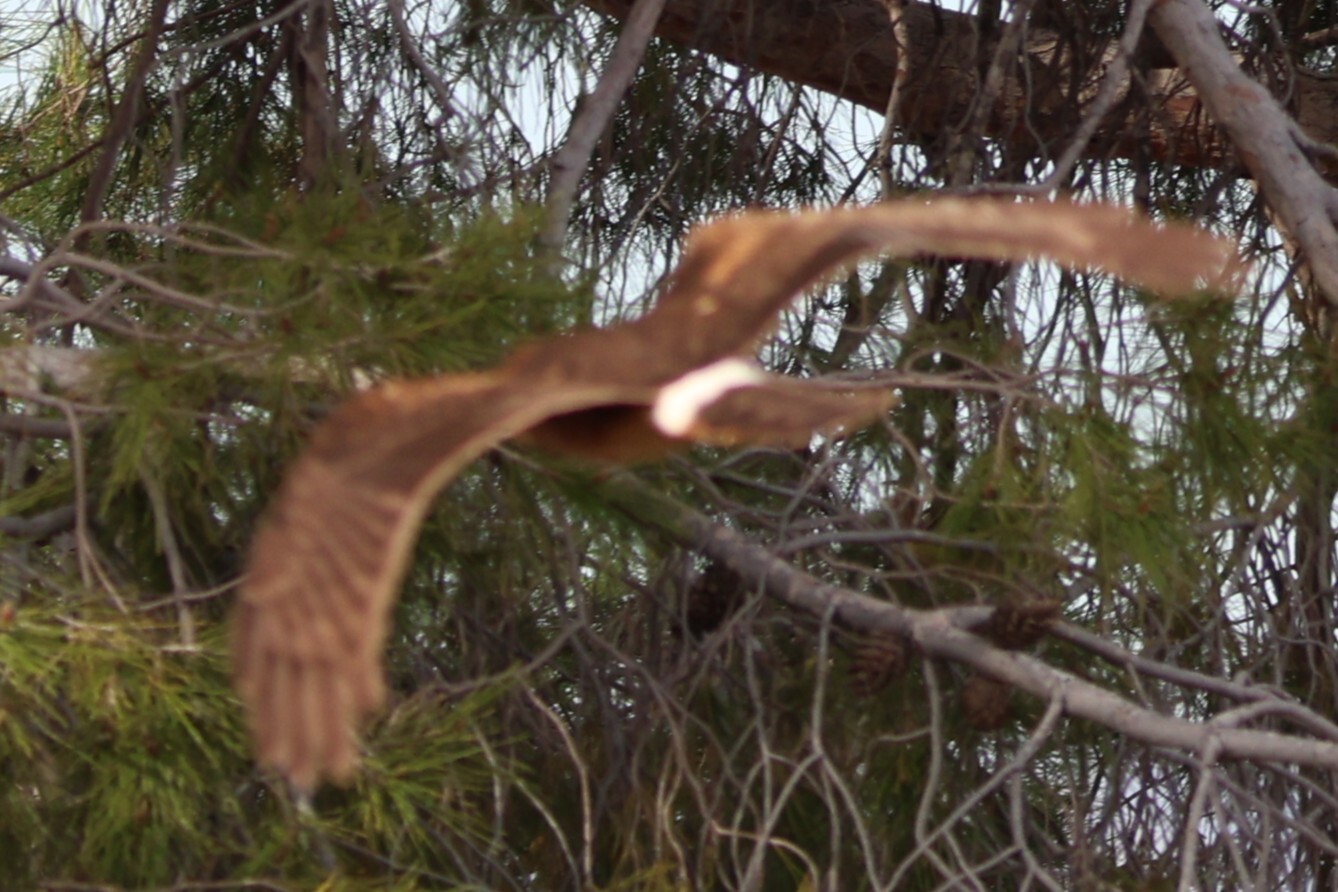 Northern Harrier
In short
The Great Blue Heron is a large wading bird with a long neck and legs, typically found near water, while the Northern Harrier is a slender raptor with a distinctive white rump, often seen flying low over open fields. These species differ greatly in both appearance and habitat preferences, making them unlikely to be confused in the field.
Identification tips
- Look for the white rump patch on Northern Harriers, visible in flight.
- Observe the habitat: Great Blue Herons are near water, while Northern Harriers are over open fields.
- Note the size and shape: Great Blue Herons are much taller with long legs and necks, whereas Northern Harriers are more compact with a distinct flight pattern.
- Check for behavior: Great Blue Herons wade in water; Northern Harriers fly low over fields.
Size
The Great Blue Heron is significantly larger, standing about 4 feet tall, whereas the Northern Harrier is a medium-sized raptor with a wingspan of about 4 feet but much shorter in height.
Plumage
Great Blue Herons have a predominantly blue-gray plumage with a black stripe over the eye and a long, dagger-like bill. Northern Harriers have a more varied plumage, with males being gray and females brown, both featuring a white rump patch that is visible in flight.
Behaviour
Great Blue Herons are solitary hunters, often seen wading in water, while Northern Harriers hunt by flying low over fields, using both sight and sound to locate prey.
Habitat
Great Blue Herons are found near bodies of water such as lakes, rivers, and marshes. Northern Harriers prefer open fields, grasslands, and marshes, often away from water bodies.
Voice
Great Blue Herons are generally silent but can make a harsh croak. Northern Harriers are also mostly silent but may give a series of 'kek-kek-kek' calls, especially during breeding.