Birdr

Great Cormorant vs Eurasian Bittern

Phalacrocorax carbo versus Botaurus stellaris

Play a quiz with Great Cormorant and Eurasian Bittern
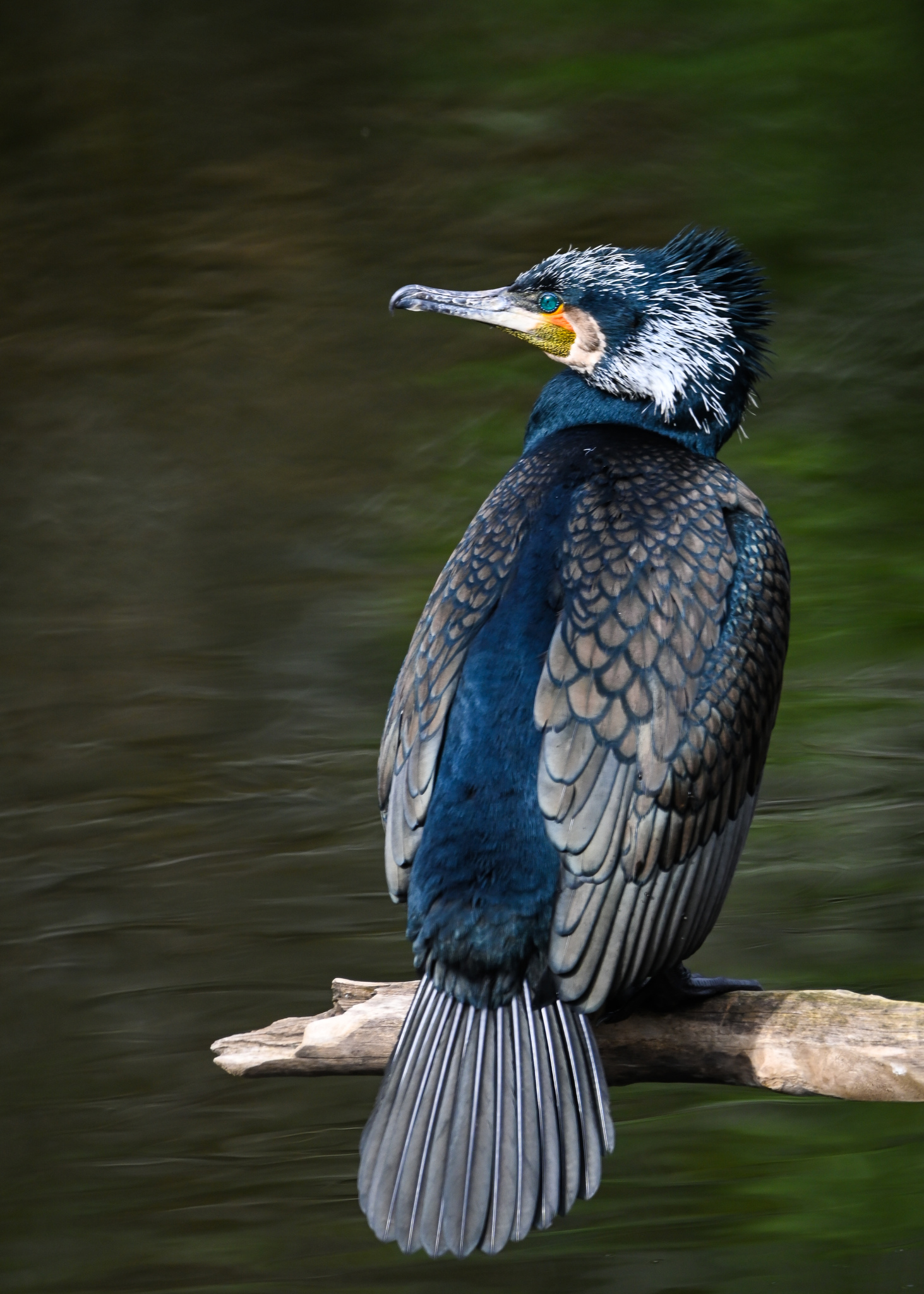
Great Cormorant (Phalacrocorax carbo) Great Cormorant
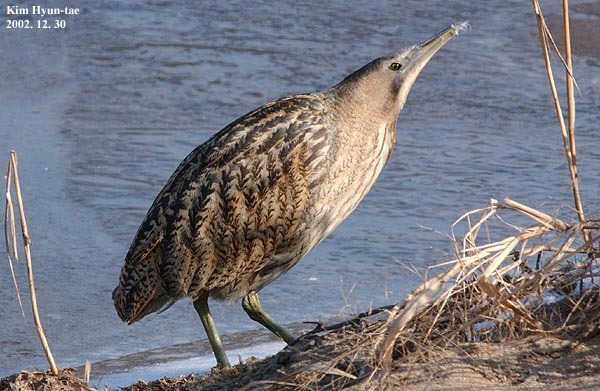
Eurasian Bittern (Botaurus stellaris) Eurasian Bittern

Media

Loading…

In short

The Great Cormorant and Eurasian Bittern are distinct in appearance and habitat. The Great Cormorant is a large, dark waterbird often seen diving in open water, while the Eurasian Bittern is a cryptically colored marsh bird known for its booming call.

Identification tips

Look for the Great Cormorant's large size, dark plumage, and white throat patch when diving in open water. The Eurasian Bittern is best identified by its streaked brown plumage and booming call in marshy reed beds. Note the habitat: cormorants are in open water, bitterns in dense reeds.

Size

The Great Cormorant is larger and more robust than the Eurasian Bittern.

Plumage

The Great Cormorant has a predominantly dark plumage with a white throat patch, whereas the Eurasian Bittern has a streaked brown and buff plumage, providing excellent camouflage in reeds.

Behaviour

Great Cormorants are often seen diving for fish in open water, while Eurasian Bitterns are more secretive, often remaining hidden in dense reed beds.

Habitat

Great Cormorants are found in coastal and inland waters, whereas Eurasian Bitterns inhabit freshwater marshes with dense reed beds.

Voice

The Eurasian Bittern is known for its distinctive booming call, especially during the breeding season. The Great Cormorant is generally silent.

Submit a better description

Use the same sections as the comparison. Your text is published immediately.

The Great Cormorant and Eurasian Bittern are distinct in appearance and habitat. The Great Cormorant is a large, dark waterbird often seen diving in open water, while the Eurasian Bittern is a cryptically colored marsh bird known for its booming call.

Look for the Great Cormorant's large size, dark plumage, and white throat patch when diving in open water. The Eurasian Bittern is best identified by its streaked brown plumage and booming call in marshy reed beds. Note the habitat: cormorants are in open water, bitterns in dense reeds.

The Great Cormorant is larger and more robust than the Eurasian Bittern.

The Great Cormorant has a predominantly dark plumage with a white throat patch, whereas the Eurasian Bittern has a streaked brown and buff plumage, providing excellent camouflage in reeds.

Great Cormorants are often seen diving for fish in open water, while Eurasian Bitterns are more secretive, often remaining hidden in dense reed beds.

Great Cormorants are found in coastal and inland waters, whereas Eurasian Bitterns inhabit freshwater marshes with dense reed beds.

The Eurasian Bittern is known for its distinctive booming call, especially during the breeding season. The Great Cormorant is generally silent.

Discard your changes?

You have unsaved edits. If you leave now, those changes will be lost.

Great Cormorant · Eurasian Bittern · My Tricky Birds